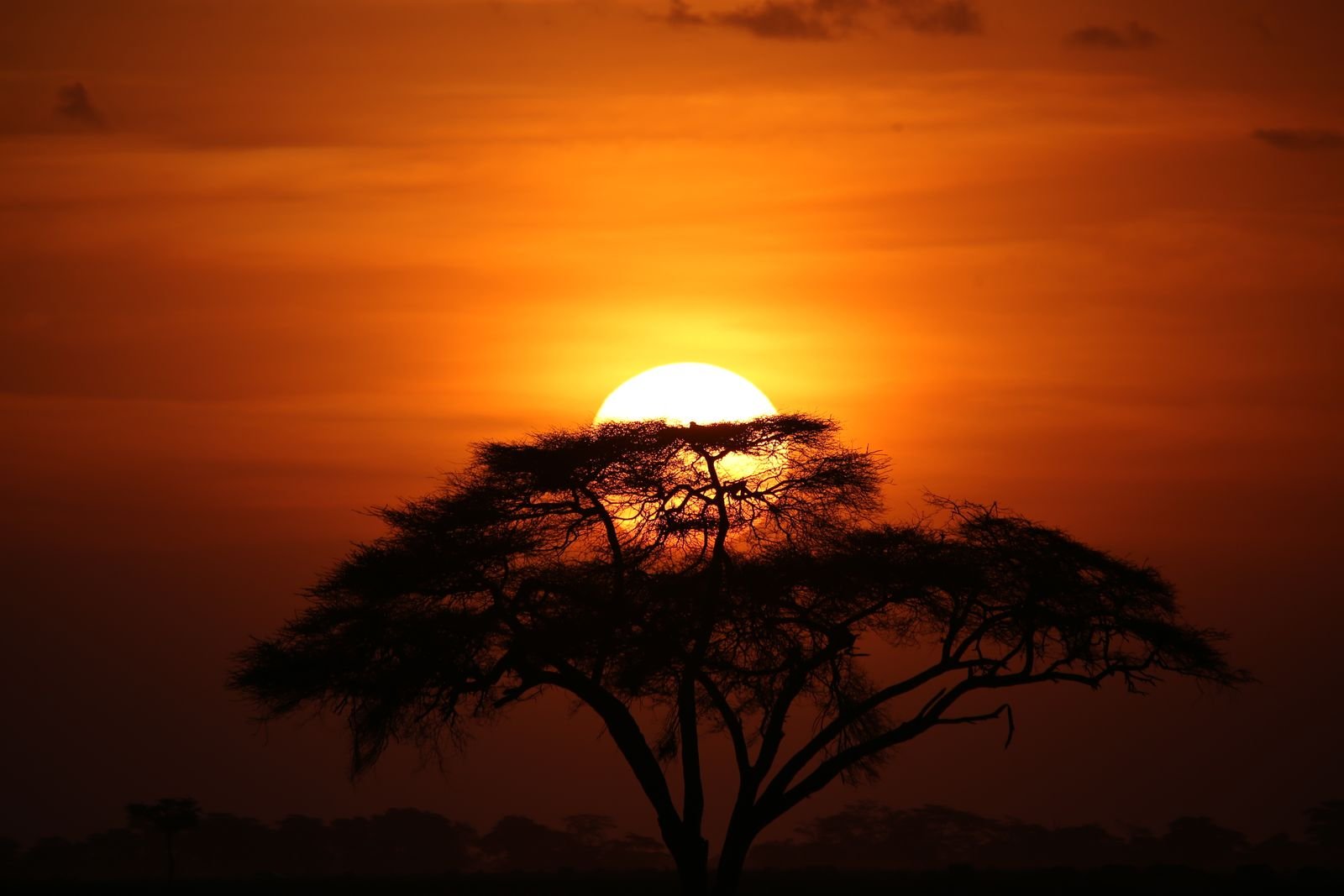
A Tanzania safari means the Serengeti — plains that run to the horizon, and the greatest animal migration on land — usually paired with the Ngorongoro Crater. This is the migration’s home ground for most of the year. The herds are always somewhere in the ecosystem; the skill of planning a Tanzania safari is sleeping where the herds will be. This page walks you through it honestly: the regions, the seasons, and the fees nobody warns you about.
At a glance: Best months — June to October for the dry season and northern crossings; January to March for calving in the south. The headline parks — Serengeti and Ngorongoro Crater. Watch the fees — Serengeti entry plus the nightly concession fee stack past $150 a day before anything else. First read — our safari packing checklist, linked below.
The Serengeti, region by region
The herds move in a great circle through the year, and each region has its season:
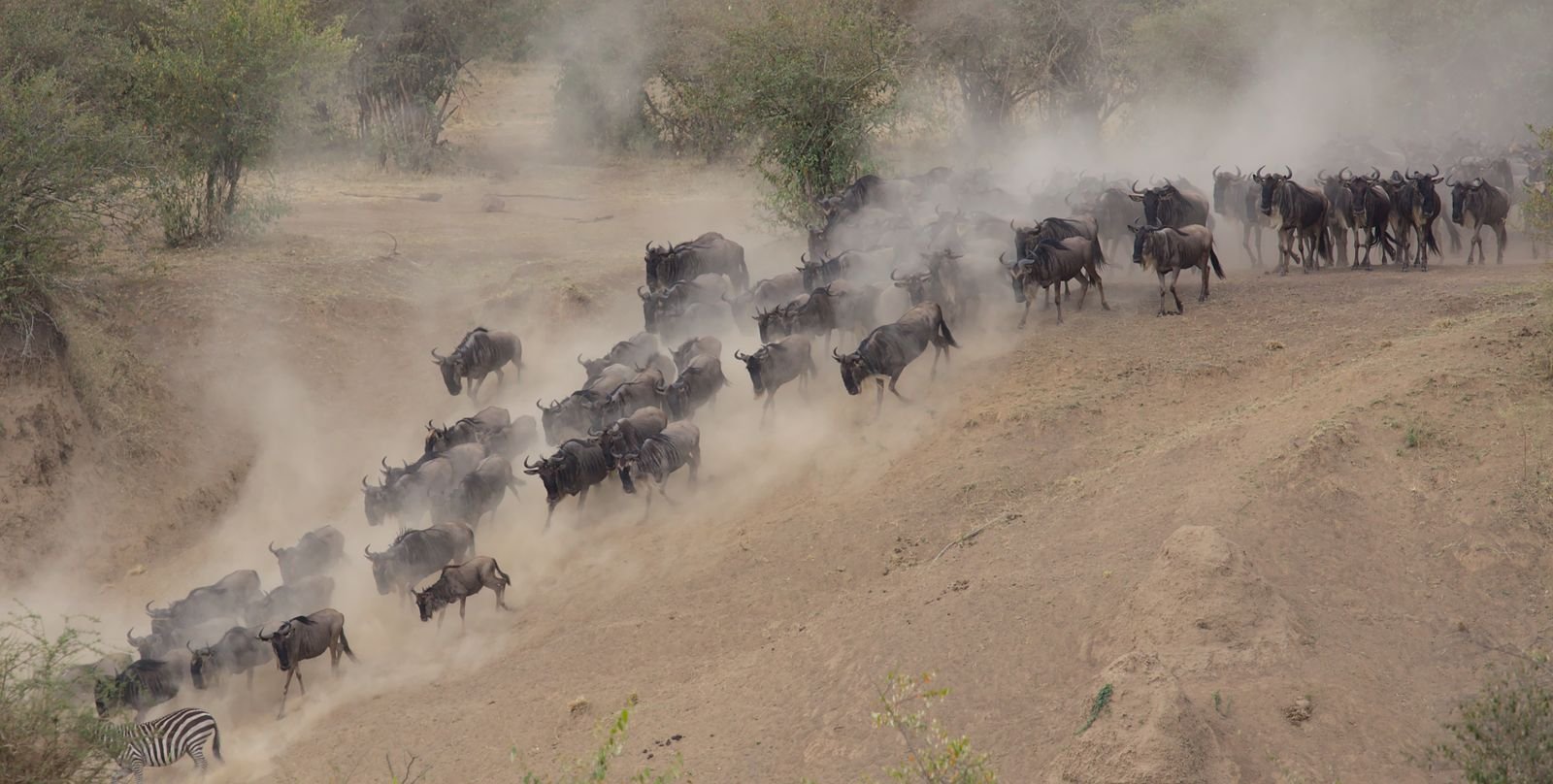
- The south (Ndutu) hosts the calving season from January to March, when thousands of calves are born in a few short weeks and every predator in the area knows it.
- The centre (Seronera) holds resident game and big cats all year round — the safe choice when your dates fall between the famous events.
- The west (Grumeti) sees its own river crossings in June and July, quieter than the north.
- The north sees the famous Mara River crossings from July to October — the dramatic scenes, and the busiest months.
Ngorongoro — the classic pairing
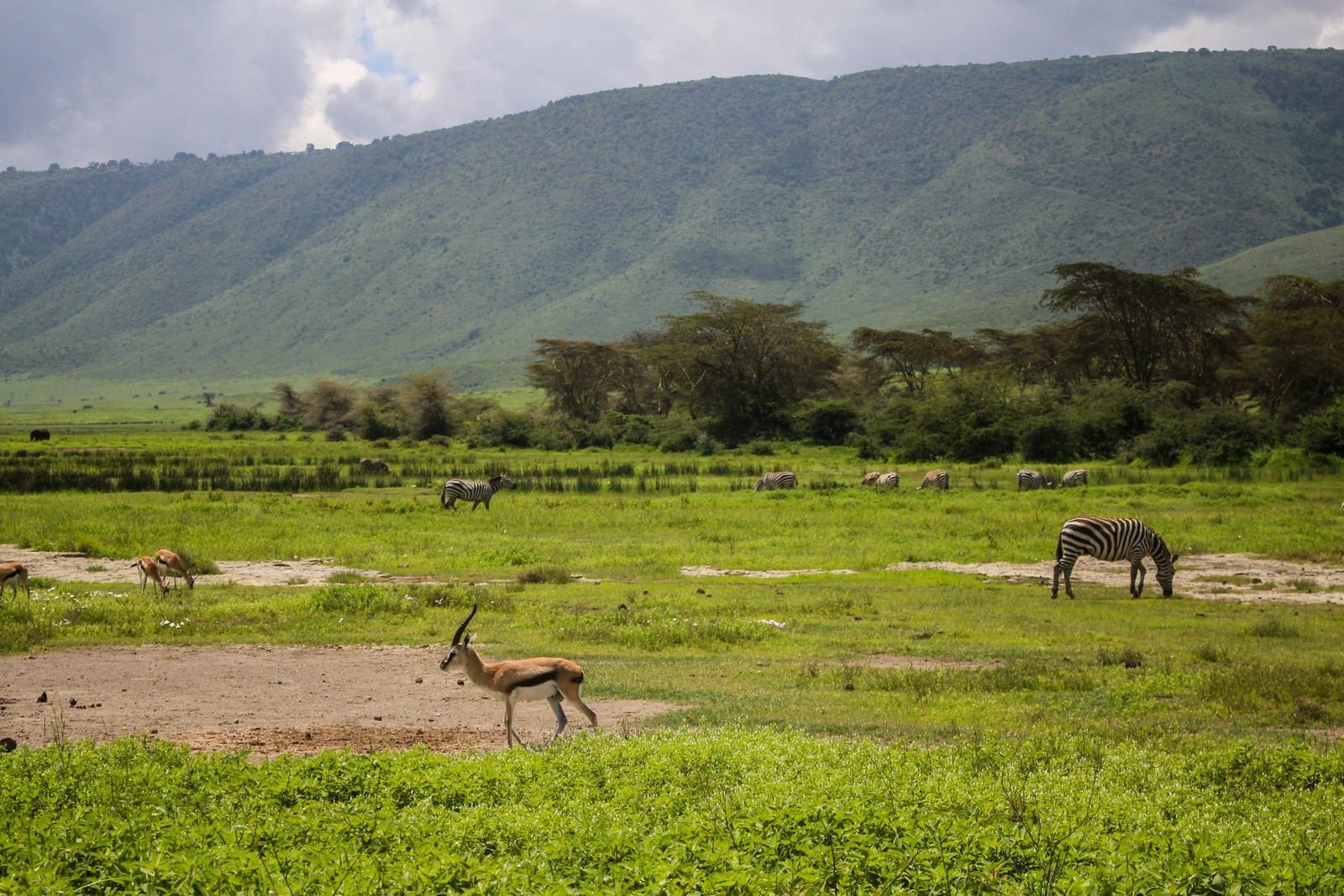
A day down in the crater is the standard partner to a Serengeti trip, and for good reason: the crater floor holds a dense, self-contained world of wildlife in a single natural amphitheatre, with one of your best chances anywhere of seeing a black rhino. Most Tanzania safari routes run the two together — a few days following the herds, then a day in the crater on the way back towards Arusha.
The famous add-on. A balloon flight over the plains at dawn, at roughly $500–600 per person. Expensive — and the one extra people rarely regret.
Best time to go
The dry season, June to October, is the best all-round window: animals gather at water, and the northern crossings peak. January to March is calving season in the south. April and May are the wettest months — some camps close, roads get hard, and prices drop. There is no single “best month”. There is a best month for the herd position you want to see — pick your dates around the herds, not the other way round.
What it costs — honestly
Tanzania’s park fees stack, and nobody warns you. Serengeti entry for a non-resident adult is US$82.60 per 24 hours including VAT in high season (US$70.80 in the low season, mid-March to mid-May) — and sleeping inside the park adds a concession fee of US$70.80 per night on top. Before food, bed or vehicle, one day in the Serengeti carries over $150 of fees. When a quote looks suspiciously cheap, this stack is usually what is missing.
Operator-quoted package ranges run from camping safaris at about $220–460 per person per day, through private mid-range lodge trips at $340–515, to luxury from $900 a day. For wider context, SafariBookings puts African safari averages at $150 budget, $350 mid-range and $750 luxury per person per night. On a Tanzania safari the park fees are the floor under every quote — everything else is built on top of them.
How a Tanzania safari trip usually runs
Most trips start in Arusha. From there the classic northern route runs west: a day in the Ngorongoro Crater, then on into the Serengeti, with your camp chosen by the season and the herd position. Fly-in trips skip the long drives and land at Serengeti airstrips instead. Five to seven days is the honest length for the northern route; trying to squeeze the Serengeti into two days means most of your safari happens through a windscreen.
What you will actually see
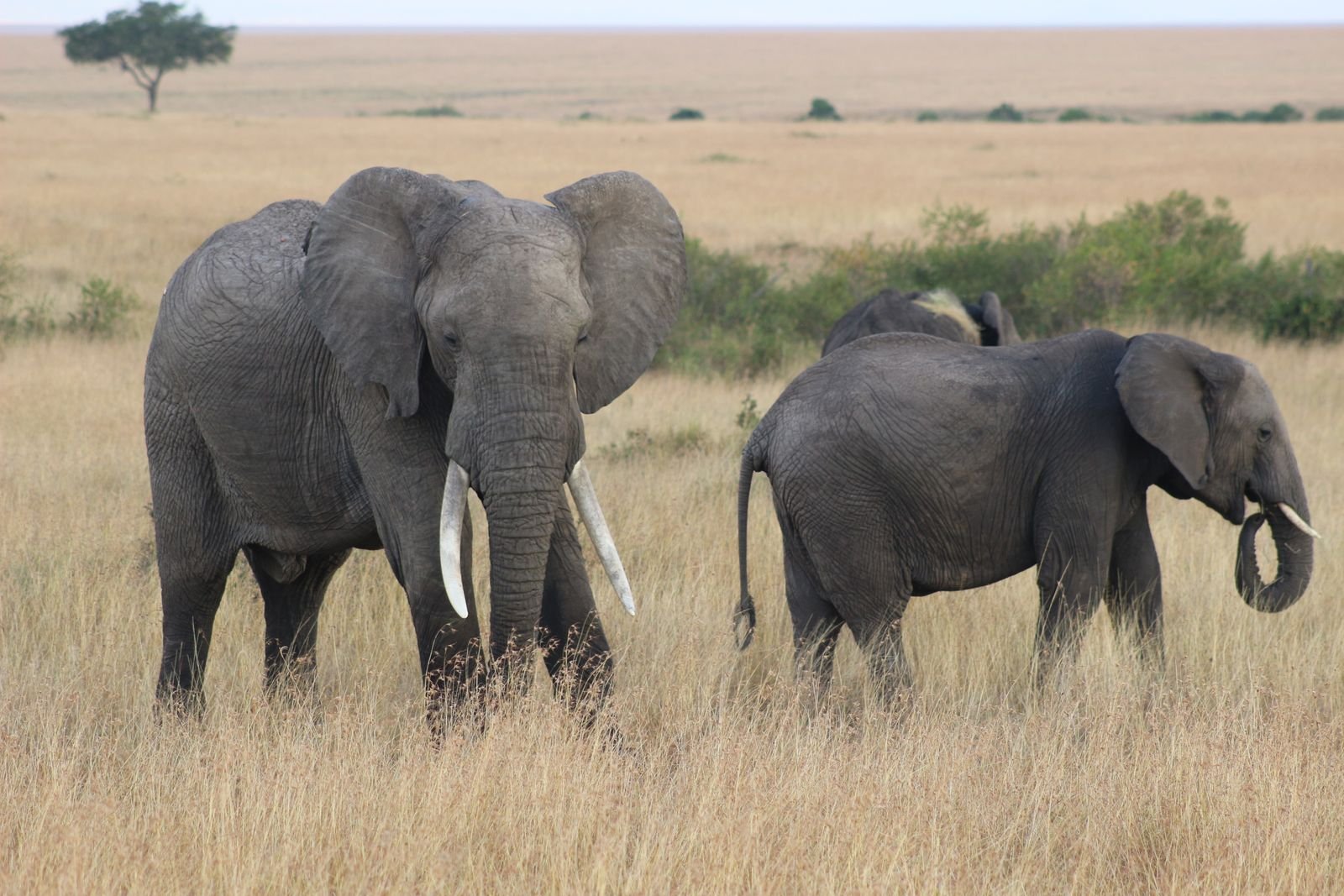
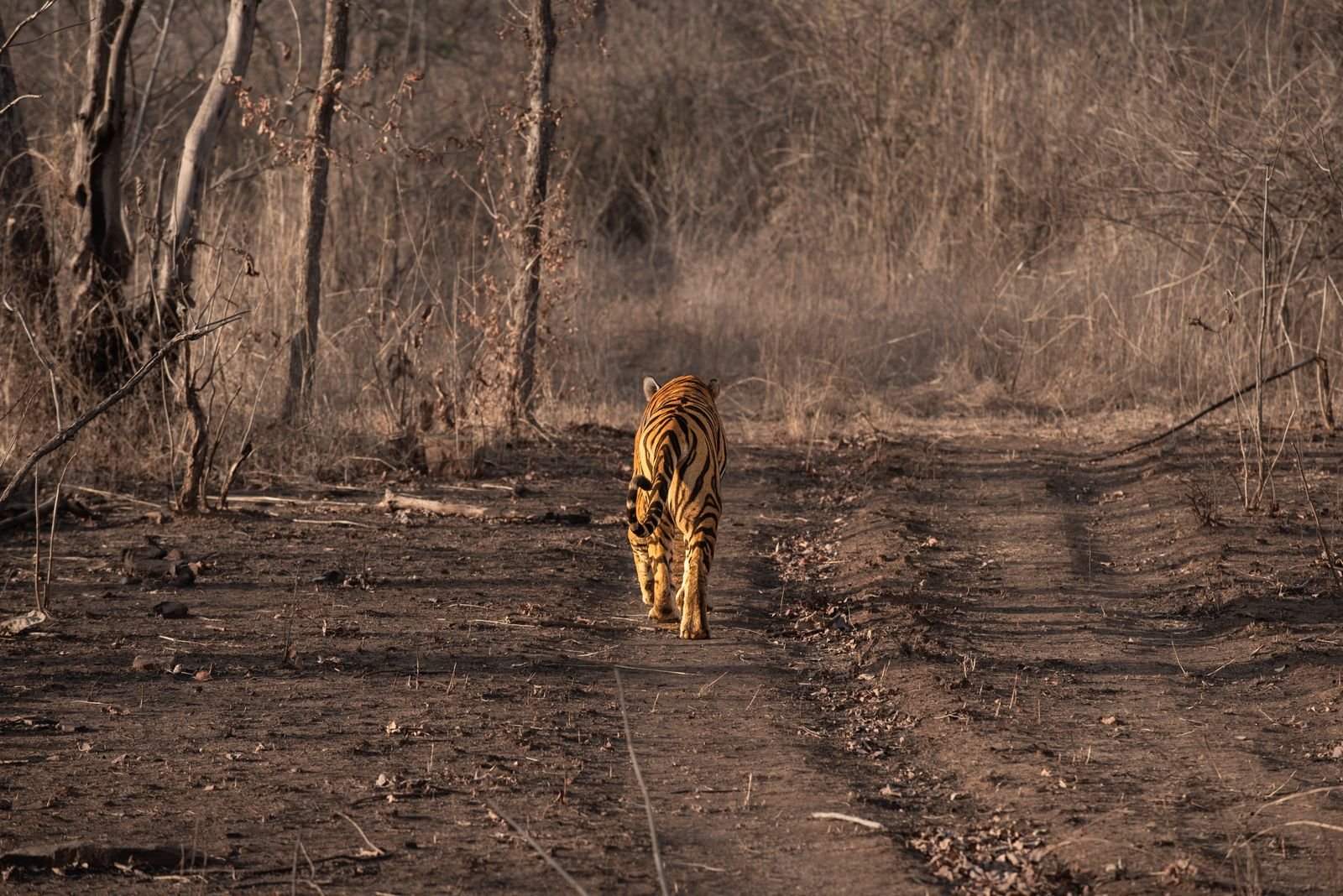
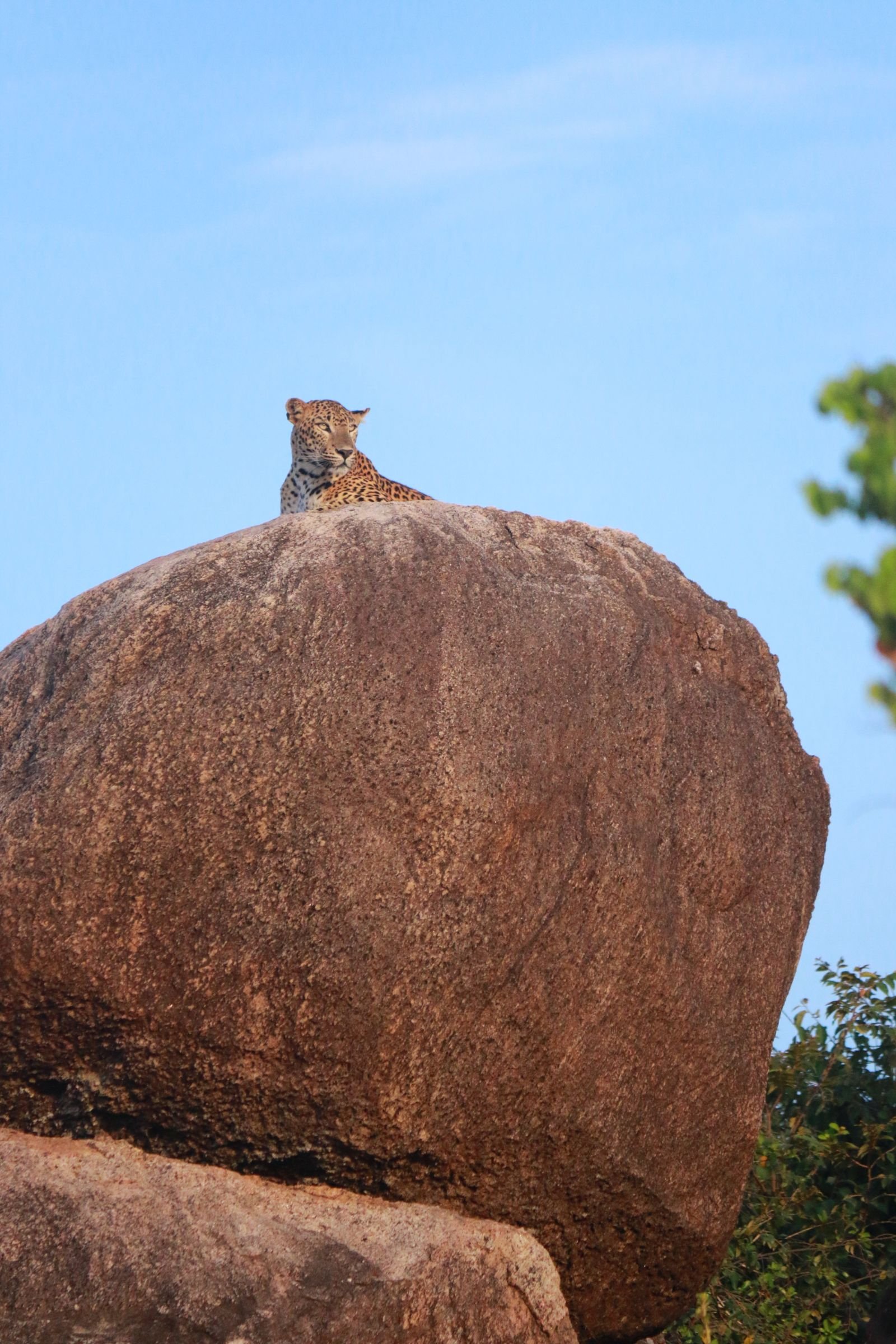
The herds first: wildebeest and zebra in numbers that bend the horizon, with lions, cheetahs and leopards working the edges and hyenas never far away. Elephants and giraffes are scattered through the plains and woodland, hippos crowd the river pools, and the crater adds its own dense cast — including black rhino — in a single day’s drive. Birdlife runs to hundreds of species, from lilac-breasted rollers to kori bustards. The Serengeti is not a park you visit for one animal; it is the whole system, moving.
The honest downsides
Distances are the first: the Serengeti is enormous, and driving between regions eats hours — which is why camp position matters and why fly-in trips exist. Cost is the second: the fee stack in the section above sits under every quote, so a Tanzania safari is rarely the cheapest way to see the migration — Kenya’s Mara, the same herds from the other side of the border, often works out gentler on fees outside peak season. And in April and May the long rains close camps and soften tracks; some travellers love the green, empty plains then, but go in knowing. Many visitors finish a northern safari with a few slower days on the coast at Zanzibar — the classic bush-and-beach pairing, and an easy flight from Arusha.
Our Tanzania guides
Our Serengeti guide is coming soon. Start here meanwhile:
Browse everything in this region: African Safaris
FAQ
How much are the Serengeti park fees?
Non-resident entry is US$82.60 per 24 hours including VAT in high season, and US$70.80 in the low season (mid-March to mid-May). Sleeping inside the park adds a concession fee of US$70.80 per night, so one day carries over $150 in fees before food, lodging or vehicle.
When is the best time for a Tanzania safari?
June to October is the best all-round window, with the northern river crossings peaking then. January to March is calving season in the southern Serengeti. The right month depends on where the herds are, so plan dates around the herd position you want to see.
How many days do I need in the Serengeti?
Five to seven days for the northern route — Serengeti plus a day in the Ngorongoro Crater — is the honest length. Shorter trips spend too much of the safari driving between places.
What is the Ngorongoro Crater?
A huge volcanic caldera whose floor holds a dense, self-contained population of wildlife, including one of your best chances in Africa of seeing a black rhino. It pairs with the Serengeti on almost every northern Tanzania safari route.