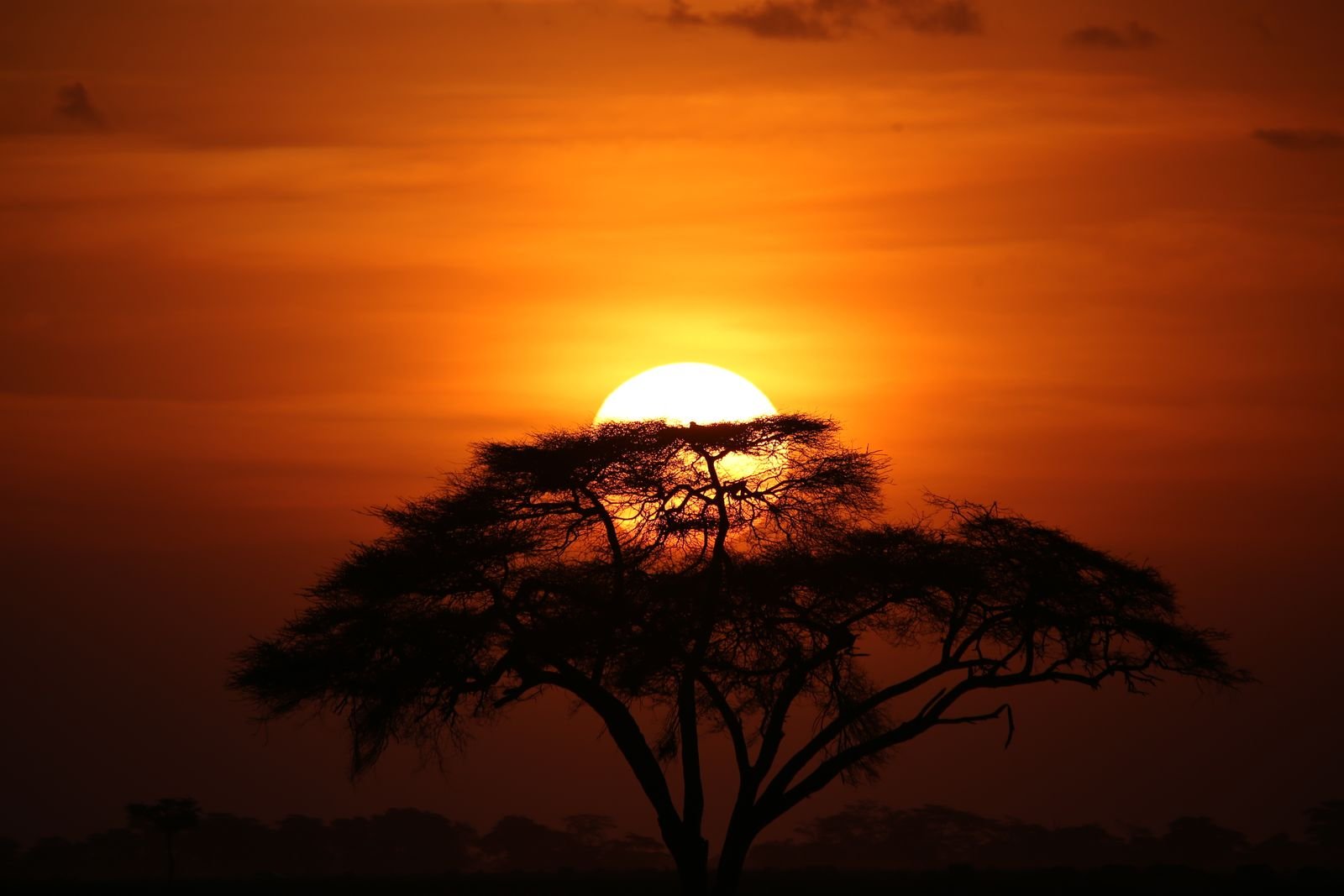
A Kenya safari is the classic East African safari — the one the word was invented for. Open savanna, acacia trees, big cats, and for a few months each year the great wildebeest migration rolling through the Masai Mara. Most trips centre on the Mara and start from Nairobi, about five hours by road or a 40–60 minute flight from the reserve. This page gives you the honest shape of it: where to go, when to come, and what it really costs.
At a glance: Best months — July to October for the migration; January to March for quiet parks and half-price Mara fees. The headline park — the Masai Mara. Typical cost — $250–450 per person per day on a budget trip, and far more at the top end. First read — our safari packing checklist, linked below.
The safaris you can take here
Masai Mara — the headline act. Over 1.5 million wildebeest, plus zebras and gazelles, pour in for the migration, and the big cats are here all year — the Mara has some of the most reliable lion, leopard and cheetah viewing on the planet. You will choose between three ways of seeing it:
- The main reserve — the classic Mara: the river crossings, the big herds, and the busiest game-drive circuits.
- The Mara Triangle — the western third, run separately, with fewer vehicles and well-kept tracks.
- The private conservancies — community-owned land bordering the reserve. Stays here cost more, but conservancies allow off-road driving and night drives that the reserve itself does not, and your fees go directly to the Maasai families who own the land.
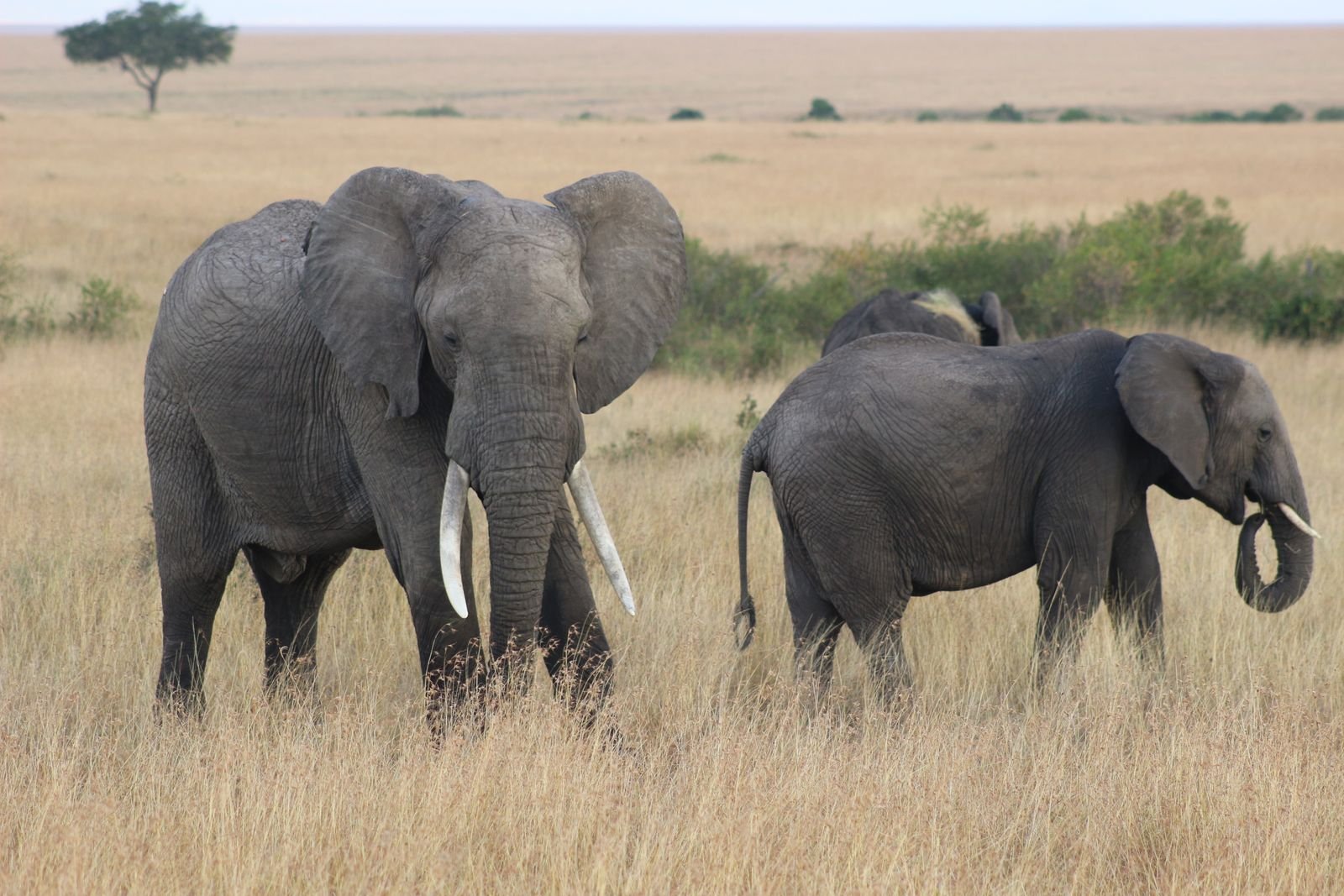
Amboseli — the supporting act. A Kenya Wildlife Service park that longer trips often pair with the Mara: great elephant herds with Mount Kilimanjaro behind them. KWS park entry runs at $90 per adult per day, so it budgets differently from the Mara — plan the two separately.
The migration, honestly
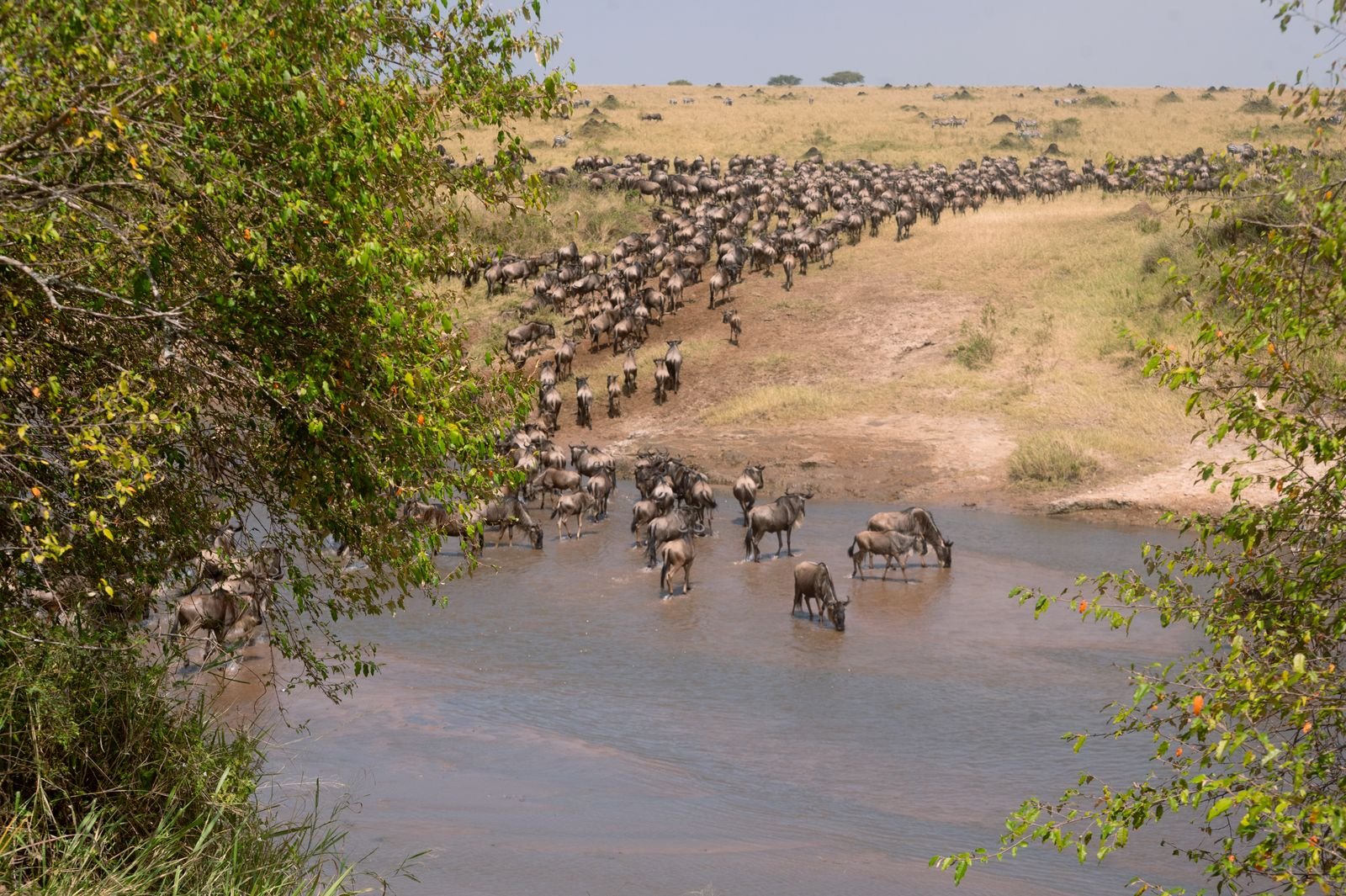
The river crossings are the famous scenes — herds pouring down the banks of the Mara River while crocodiles wait. Here is the part brochures skip: no crossing is ever guaranteed on a given day. Herds can gather at the bank for hours and turn back. The honest advice is to give yourself several nights in the Mara during crossing season, not one, and to treat a crossing as a bonus on top of game viewing that is superb anyway. A Kenya safari in migration season is never wasted — but it should never be sold to you as a promise.
Best time to go
For the migration, come between July and October. River crossings happen most often from mid-July to September. The smart-timing play is January to March: the crowds are gone, the predators and resident game are still here, young animals are being born — and, as the next section shows, the Mara park fee is half. The long rains fall around April and May; some camps close and prices drop, but tracks can get hard going.
What it costs — honestly
The Mara is run by Narok County, not the national park service, and its fee has a trap in it. Non-resident adults pay US$100 per day from January to June — and US$200 per day from July to December. Arrive on 30 June instead of 1 July and your daily fee halves. Tickets last 12 hours (6am–6pm), and children pay $50.
Daily tour costs, as reported by Kenya’s Daily Nation: budget safaris run about $250–450 per person per day, mid-range $500–900, and luxury $1,200–2,500+. Treat any single “average Kenya safari price” with suspicion — where you sleep and which month you travel move the number more than anything else. Our detailed Kenya guides are in the works; the fee trap alone is worth planning your dates around.
How a Kenya safari trip usually runs
Most visitors fly into Nairobi, sleep one night, then either drive to the Mara (five hours, the last stretch rough) or take the short flight to a Mara airstrip, where your camp’s vehicle collects you. Days settle into a rhythm: a game drive at dawn, a slow hot middle of the day at camp, and another drive from mid-afternoon until sunset. Three nights in the Mara is the honest minimum; four or five lets you add a conservancy or Amboseli without rushing.
What you will actually see
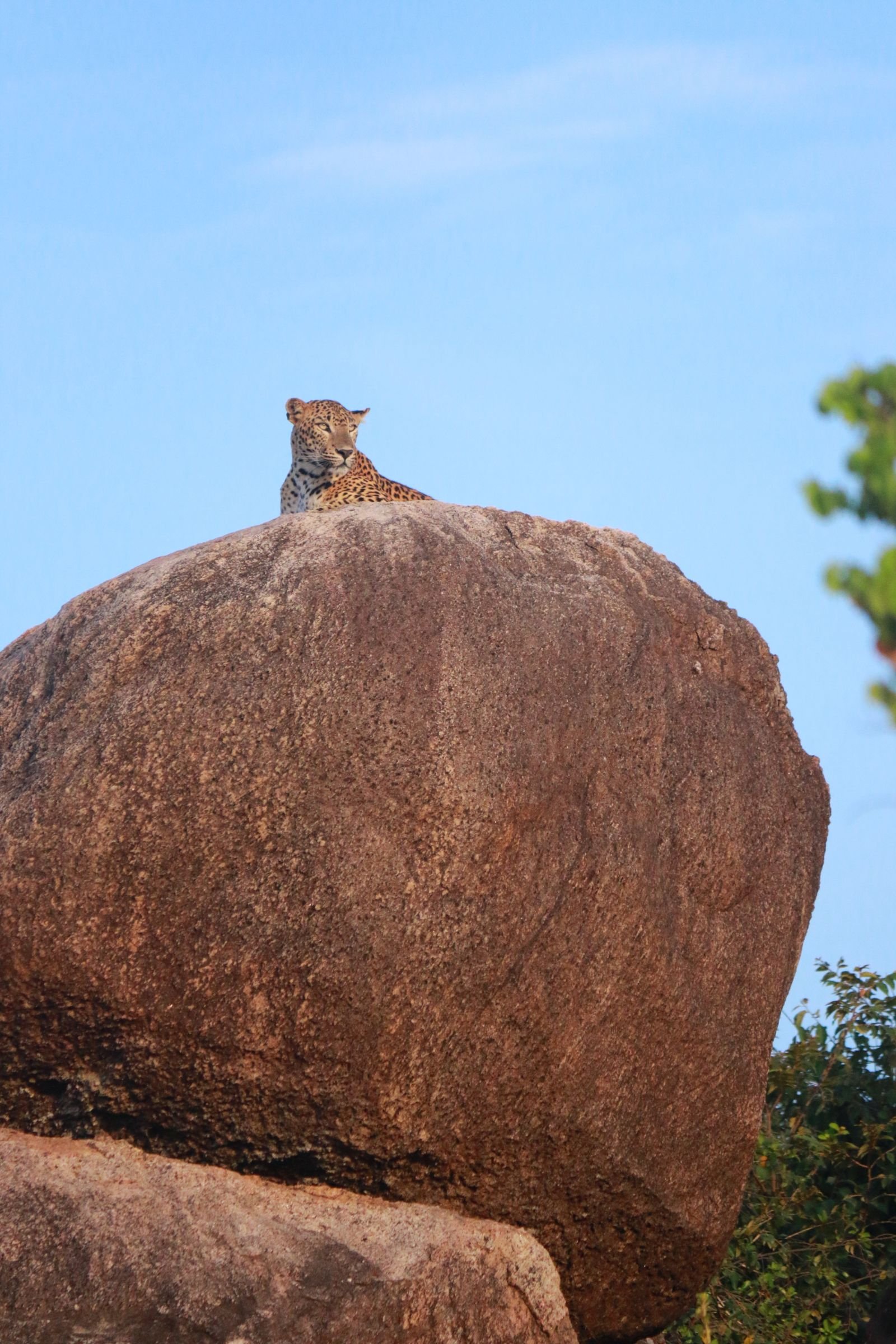
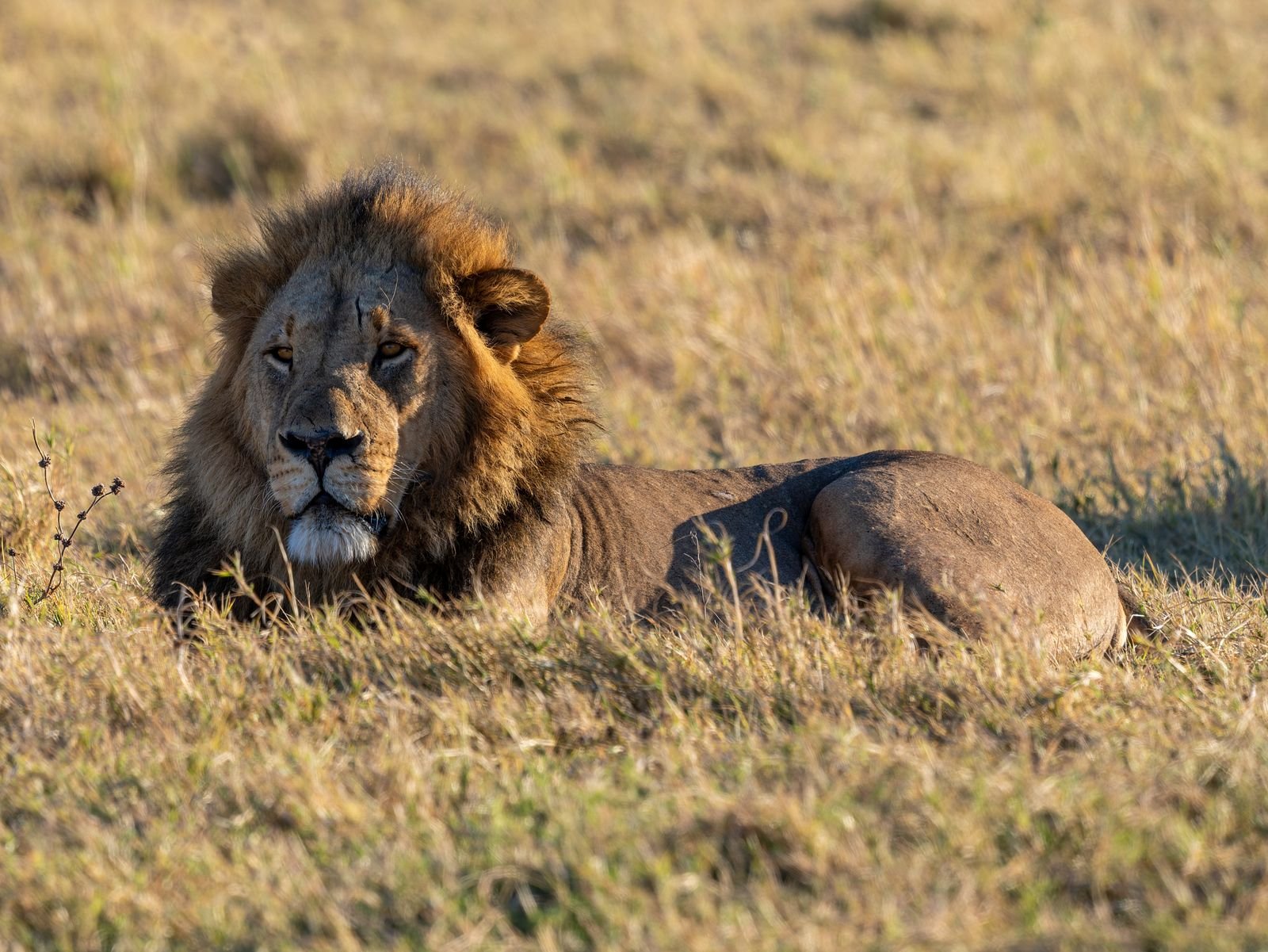
The Mara earns its reputation on cats: lions in prides, leopards in the riverine trees, cheetahs hunting on the open plains — all present all year, not just in migration season. Around them: elephants, giraffes, buffalo herds, hippos and crocodiles in the Mara River, and, with luck, a black rhino. In migration season add the herds themselves — a wall of wildebeest and zebra that takes an hour to pass. Outside the Mara, Amboseli’s elephants walk in front of Kilimanjaro on clear mornings: the postcard shot, and for once the postcard is real.
The honest downsides
Three, so you hear them from us first. The drive from Nairobi to the Mara is long, and the last stretch is rough — flying in costs more and saves half a day each way. In peak season the famous crossing points get crowded with vehicles; the conservancies and the Mara Triangle exist largely to escape that. And Kenya is not a cheap safari country: between the park fees and the daily rates above, budget for it properly or shorten the trip rather than squeezing it.
Our Kenya guides
Our Masai Mara guide is coming soon. Start here meanwhile:
Browse everything in this region: African Safaris
FAQ
When is the wildebeest migration in the Masai Mara?
The herds are usually in the Mara from July to October, and river crossings happen most often from mid-July to September. No crossing is guaranteed on any single day, so stay several nights rather than one.
How much is the Masai Mara entry fee?
Non-resident adults pay US$100 per day from January to June and US$200 per day from July to December. Tickets last 12 hours, from 6am to 6pm, and children pay $50.
How many days do I need for a Kenya safari?
Three nights in the Masai Mara is the honest minimum. Four or five nights lets you add a private conservancy or Amboseli without rushing, and gives you a real chance at a river crossing in season.
Is a Kenya safari safe?
Safaris run daily across Kenya with licensed operators and experienced guides, and game drives follow strict park rules. Use a reputable operator, follow your guide’s instructions around wildlife, and check your government’s current travel advice for the regions on your route.