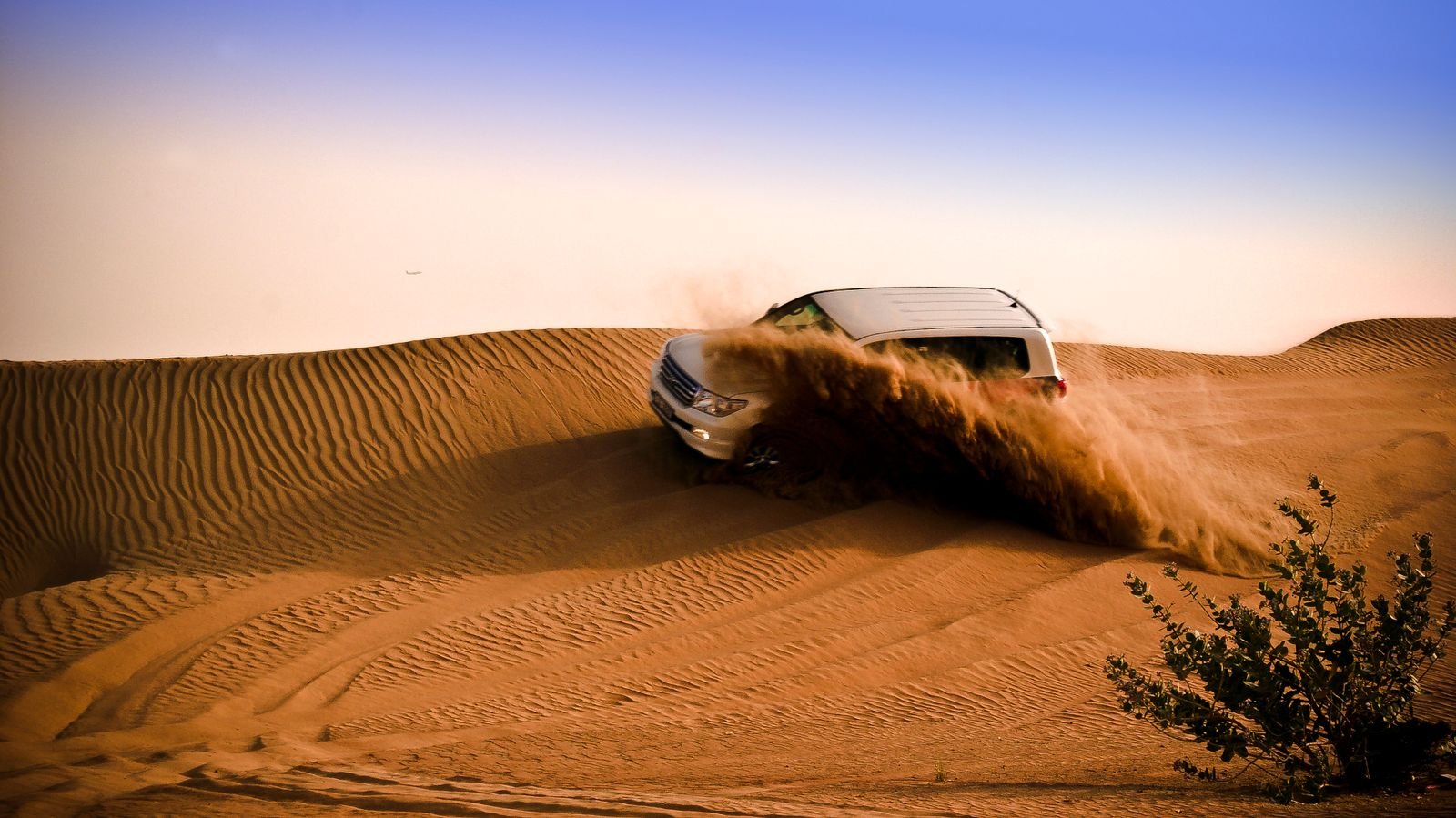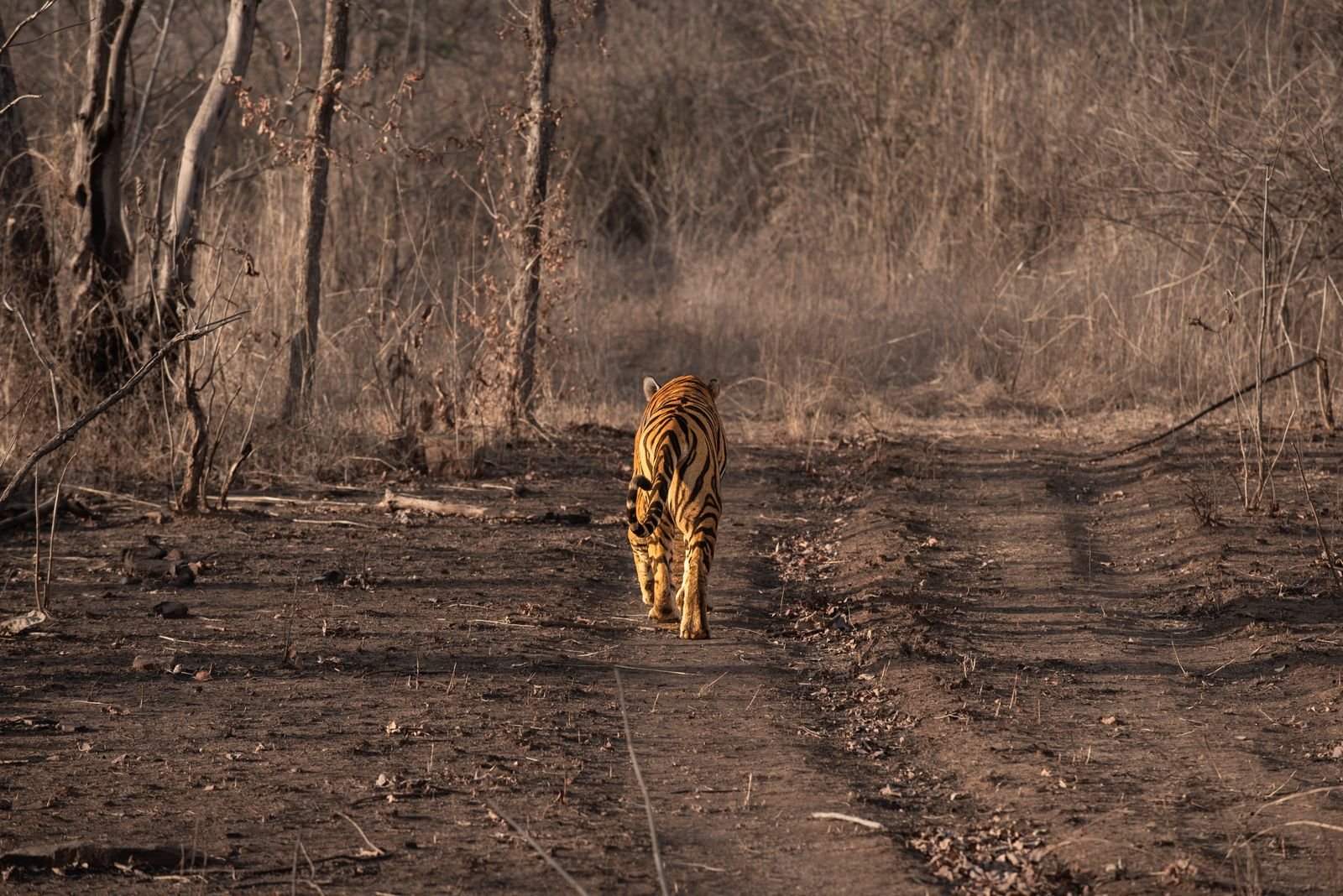
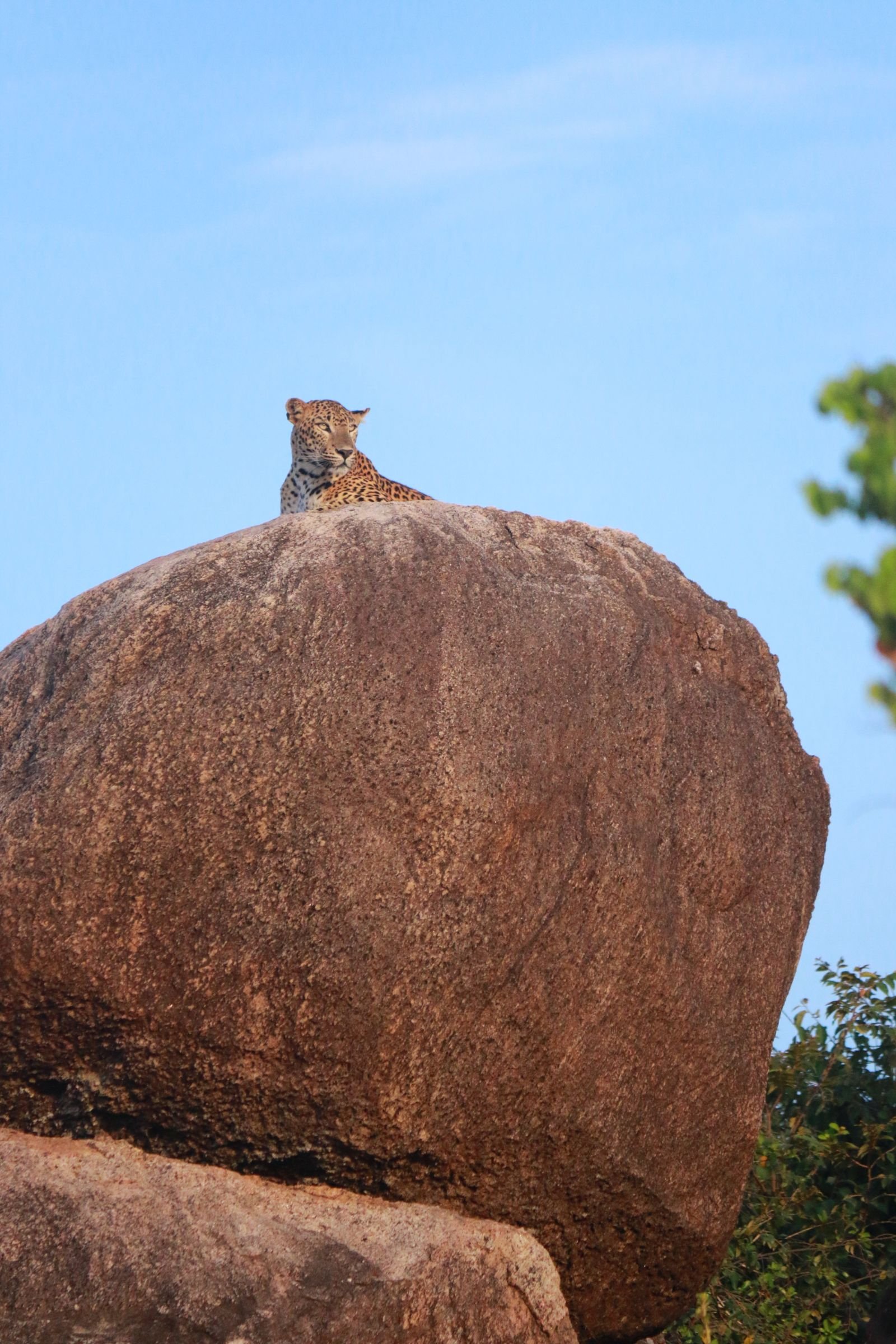
A Sri Lanka safari is about two animals: leopards and elephants, in dry, scrubby jungle in the island’s south-east. The name almost everyone means is Yala — one of the best places on earth to see a leopard in the wild — reached on half-day or full-day jeep drives from towns like Tissamaharama and Kataragama. Small island, short drives, serious wildlife: a Sri Lanka safari is the gentlest introduction to Asian safaris we cover, and this page gives you the honest version.
At a glance: Best months — February to July, the dry season. The headline park — Yala. Known for — leopards at remarkable density, plus elephants and sloth bears. Typical cost — about $42–47 per foreign adult in park fees, plus a jeep split between up to six guests. First read — our safari packing checklist, linked below.
Yala, block by block
Yala is divided into blocks, and which one you enter changes the day you get:
Block 1 — leopard country. Around one leopard per square kilometre has been recorded here — among the highest densities anywhere in the world. It is also the busiest block: when a leopard shows, the jeeps gather fast, and your driver will be working the radio network with everyone else.
Block 5 — the quiet side. Fewer leopards, more elephants, and a calmer drive through lagoons and forest. Choose this one if crowds bother you more than cats do.
Half-day or full-day? Drives run at dawn (the gates open at 6 AM) or towards dusk — or you stay out all day, resting through the midday heat when the animals do the same. The gates close at 6 PM. For leopards, dawn is the classic pick: cool air, active cats, and the park at its prettiest.
Best time to go
Come in the dry months, February to July, when shrinking waterholes pull the animals into the open and leopards hunt in daylight more often. May and June are the sloth bear months, when the bears come down for palu fruit. One closure to plan around: Block 1 shuts for a dry-season break each year, roughly mid-September to mid-October (in 2026, from 14 September to 16 October), while other blocks stay open. If your trip falls in that window, Block 5 is your Yala.
What it costs — honestly
Honesty first: Sri Lanka’s wildlife department does not publish an official fee table, which is why websites contradict each other on Yala prices. The best current figures we could verify: foreign entry is USD 25 per adult, plus a service charge of about USD 10 per group, a vehicle charge and VAT — roughly USD 42–47 per foreign adult in fees, all-in.
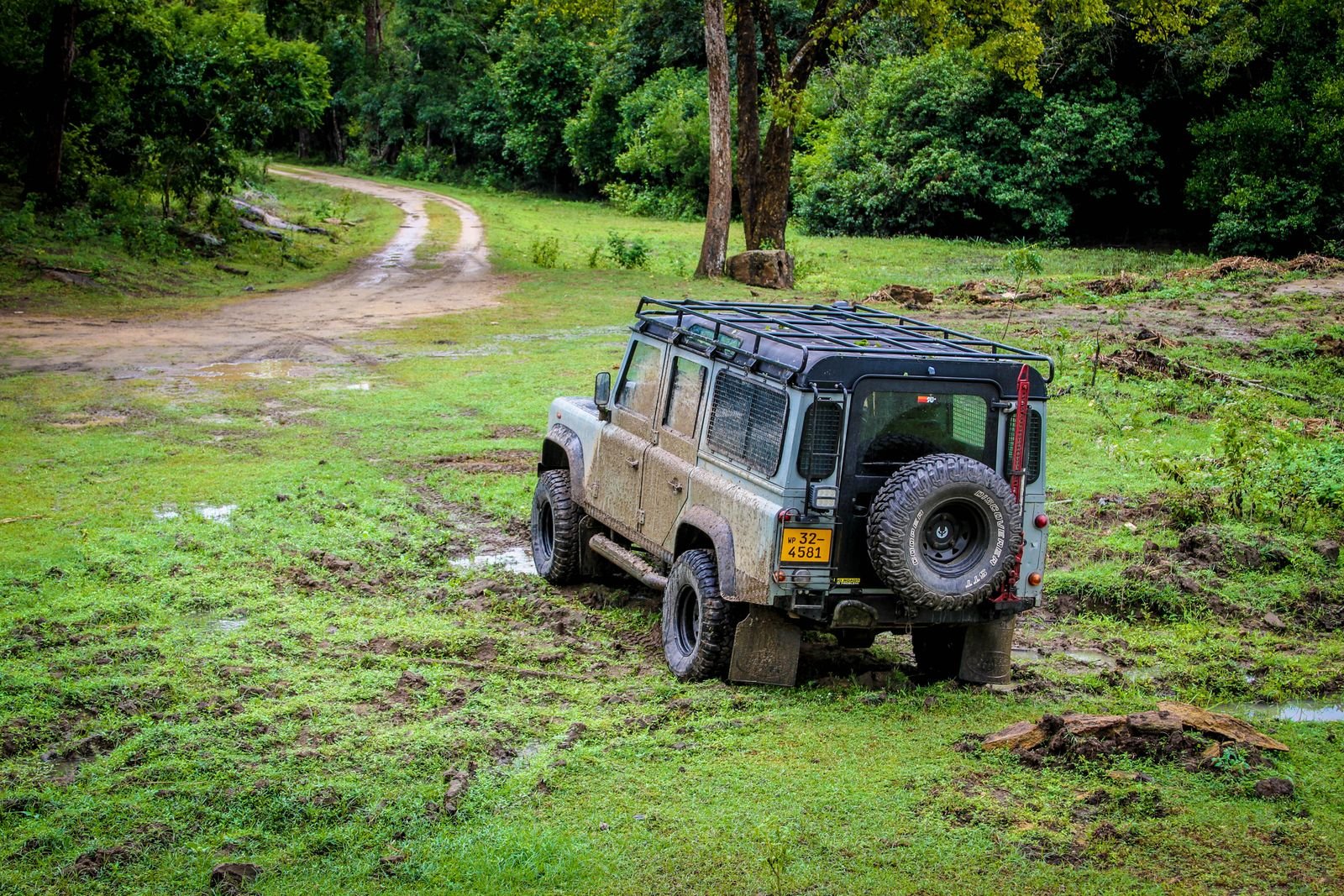
Your jeep is a separate cost. At the main Palatupana gate, a jeep carrying up to six guests costs LKR 16,500 for a half day or LKR 33,000 for a full day. Split six ways, that makes Yala one of the cheaper big safaris in Asia. Short on numbers? Sharing a jeep with other travellers from Palatupana runs about LKR 6,500 per person for a half day. When an operator quotes you a single all-in price, ask what is inside it — fees and jeep are separate stacks, and the honest quotes show both.
How a Sri Lanka safari day runs
Most visitors sleep in Tissamaharama or Kataragama, a short drive from the gates. The dawn run starts in the dark: jeep at your hotel before 5:30 AM, gates at 6, and three to four hours among the lagoons and rock outcrops while the light is good. Afternoon drives leave around 2:30 PM and run to the 6 PM close. Two drives in a day — dawn and dusk — is the rhythm most people settle into, and it gives you two very different parks.
What you will actually see
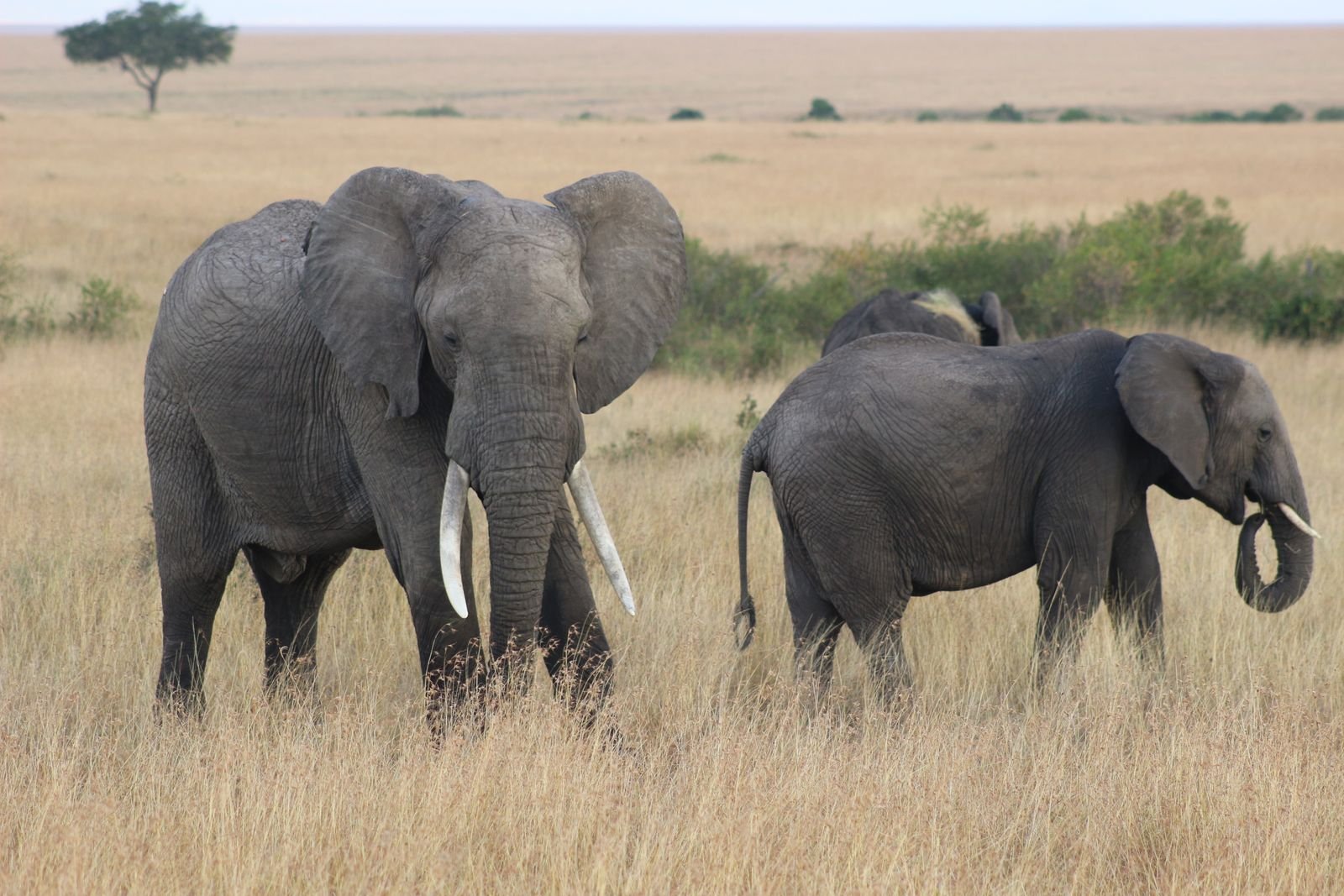
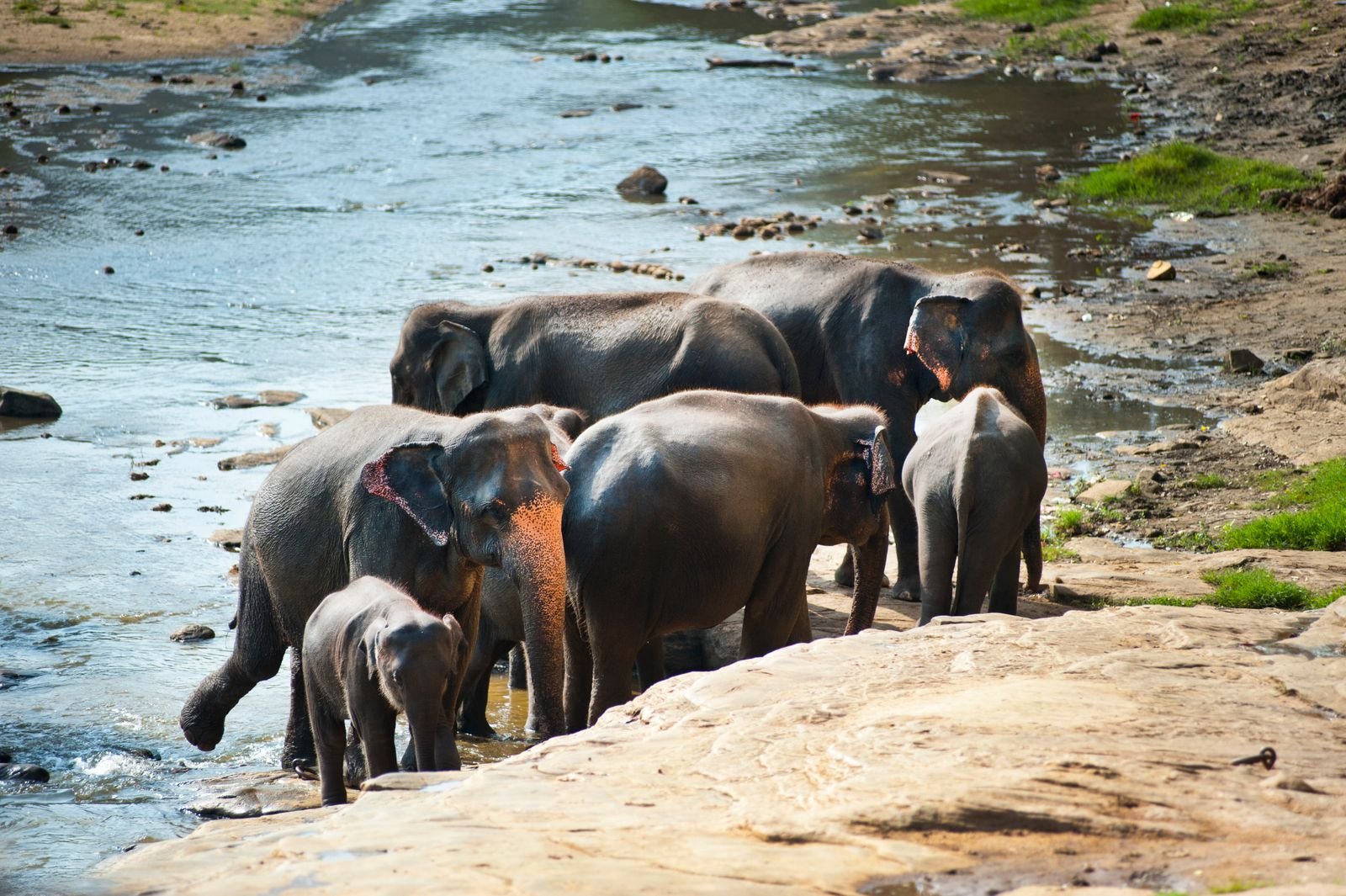
Leopards first — Yala’s are famously relaxed around jeeps, and in the dry season they hunt and rest in the open more than leopards almost anywhere else. Elephants come second: family herds at the waterholes, big tuskers occasionally among them. Add sloth bears in the palu season, mugger crocodiles on the lagoon banks, spotted deer, wild boar, and peacocks displaying on the tracks like they own them. The lagoons carry serious birdlife too — painted storks, pelicans and sea eagles. For a park you can cross in an hour, Yala packs in a remarkable amount.
Pairing Yala with the rest of Sri Lanka
Yala sits on the island’s south-east coast, a few hours from the southern beaches — many visitors drive down the coast, safari for two or three days from Tissamaharama, then continue to the beach towns or up into the hill country. That shape is Yala’s quiet advantage: no internal flights, no lost days, just one easy road trip with a serious safari in the middle of it. Two days at Yala is the sweet spot for most trips — four drives, two dawns and two dusks, and a real chance at everything the park holds.
The honest downsides
Two, plainly. When a leopard is found in Block 1 at peak season, the jeeps gather fast — twenty vehicles at one sighting is not unusual, and it is the price of those famous odds (Block 5 is the escape). And because there is no published official fee table, quoted prices genuinely vary between operators; the breakdown in the costs section above is your yardstick, so measure every quote against it before you book.
Our Sri Lanka guides
Our Yala National Park guide is coming soon. Start here meanwhile:
Browse everything in this region: Asian Safaris
FAQ
When is the best time for a Sri Lanka safari in Yala?
February to July, the dry season, when shrinking waterholes pull animals into the open. May and June are the best months for sloth bears. Block 1 closes each year for a dry-season break, roughly mid-September to mid-October.
How much does a Yala safari cost?
Foreign entry works out at roughly USD 42–47 per adult in fees all-in (USD 25 entry plus service, vehicle charges and VAT). A private jeep for up to six guests costs LKR 16,500 for a half day or LKR 33,000 for a full day at the Palatupana gate; shared jeep seats run about LKR 6,500 per person.
Can I really see a leopard in Yala?
Yala’s Block 1 holds around one leopard per square kilometre — one of the highest densities recorded anywhere — and leopards are seen on most dawn drives in the dry season. No sighting is ever guaranteed, but few parks on earth give you better odds.
Half-day or full-day safari — which should I pick?
A half-day dawn drive is the classic choice and enough for most visitors. A full day adds the quieter midday hours and a second peak at dusk, and suits photographers and anyone staying several days — two half-days, dawn and dusk, is the rhythm most people prefer.