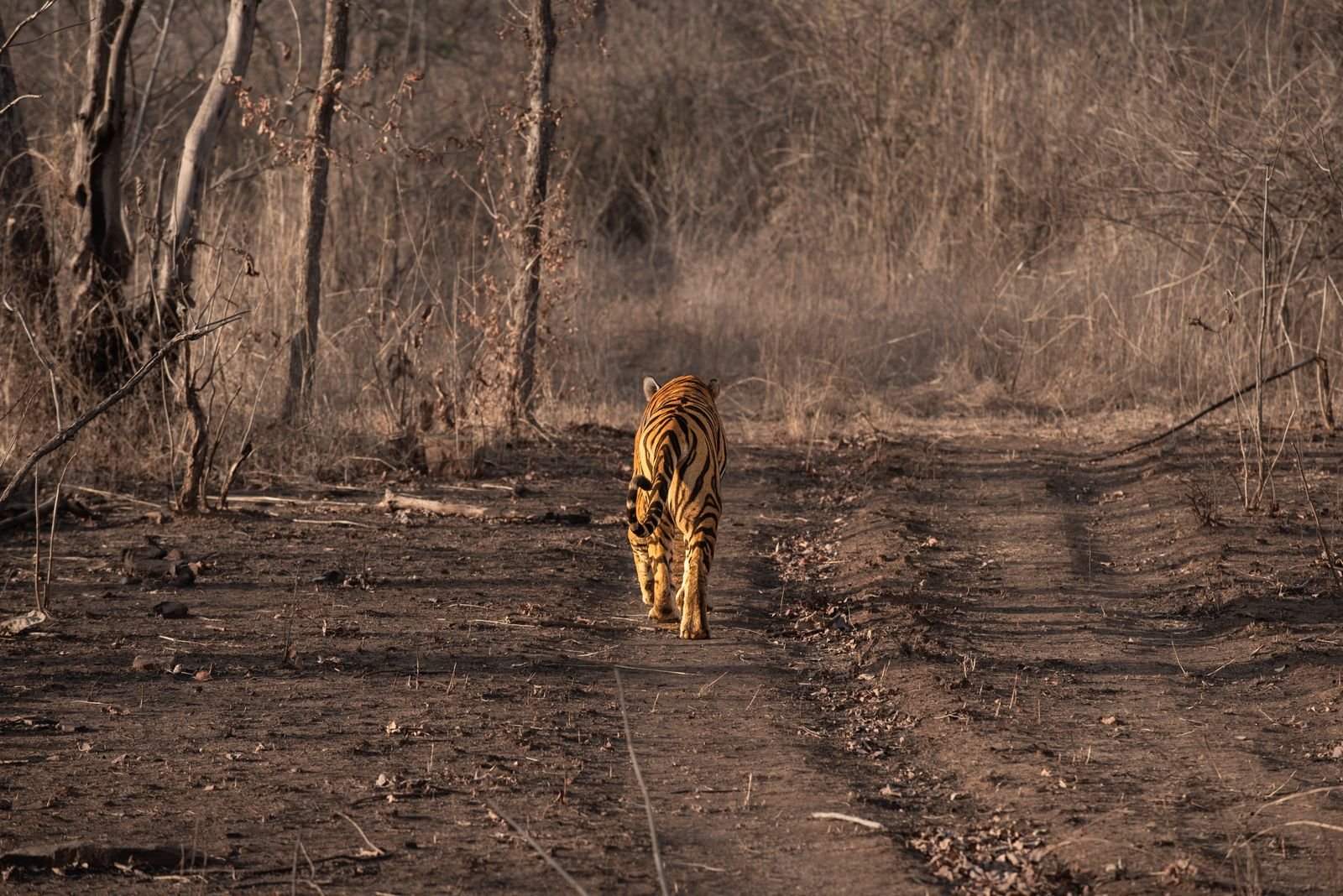
An India tiger safari is exactly what it sounds like: a safari built around one animal. India holds about three-quarters of the world’s wild tigers — 3,682 counted in the 2022 national estimate — spread across 58 tiger reserves. Safaris run in open jeeps, inside set zones, on permits that sell out weeks ahead. Choosing the right park matters more here than anywhere else we cover, and this page will help you choose honestly.
At a glance: Best months — March to June for sightings; October to February for comfortable weather. The first-timer’s park — Ranthambore. Book ahead — core-zone permits about 90 days out. First read — our Ranthambore guide, linked below.
The parks that matter
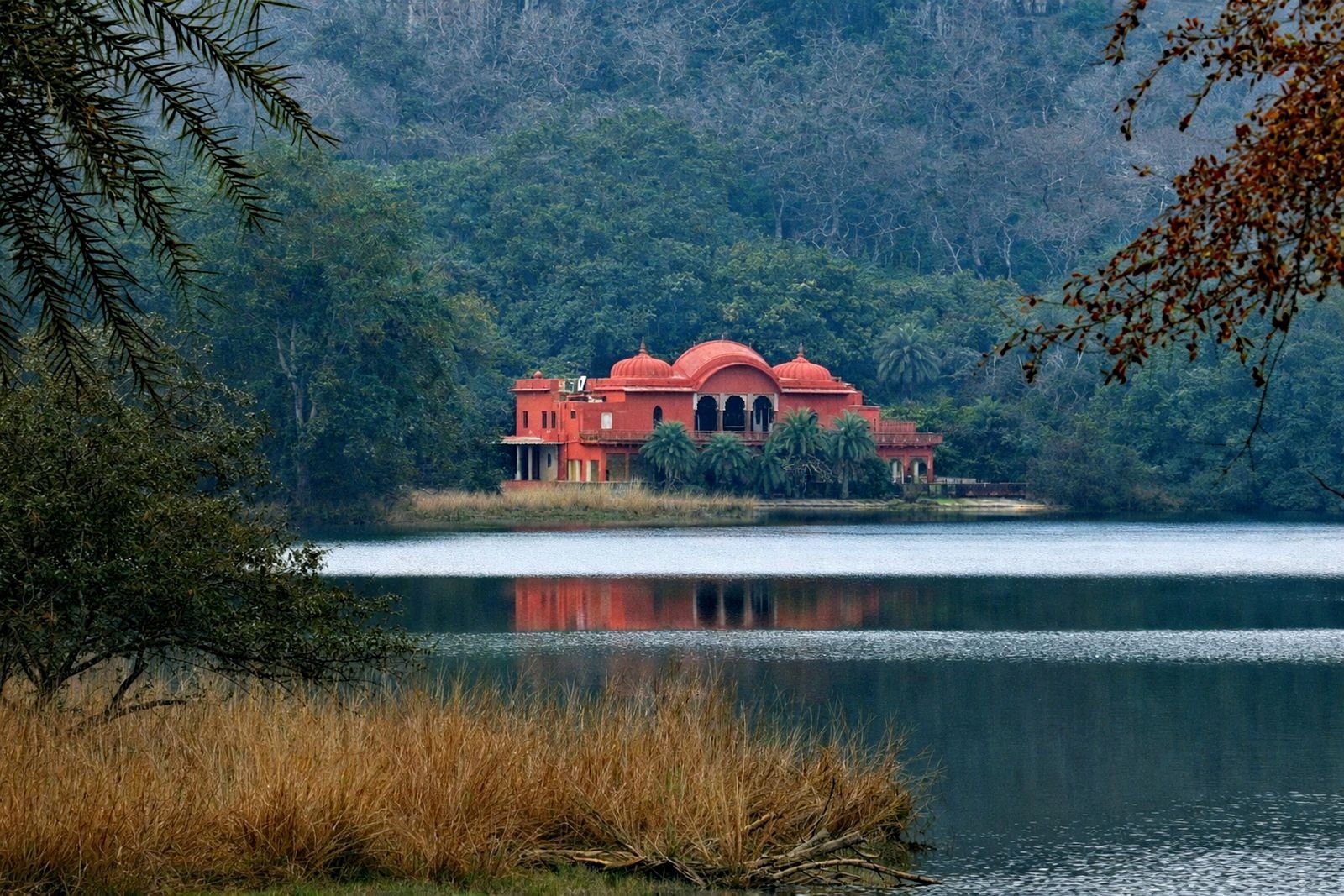
Ranthambore — the first-timer’s park. Lakes, old ruins and a hilltop fort, with tigers that are used to jeeps and often active in daylight. Its ten zones split into core zones (1–5, with zones 3 and 4 the most requested) and buffer zones (6–10 — quieter, and easier to book). It also fits neatly beside a Golden Triangle trip: Delhi, Agra and Jaipur are all within easy reach.
Bandhavgarh — tiger or nothing. The highest tiger density of the big parks. The forest is denser and the park is smaller, so go here if a sighting is the whole point of the trip.
Kanha — the beautiful one. Huge meadows and sal forest — the landscape that inspired The Jungle Book. Tigers, yes, but the scenery is half the reason to come.
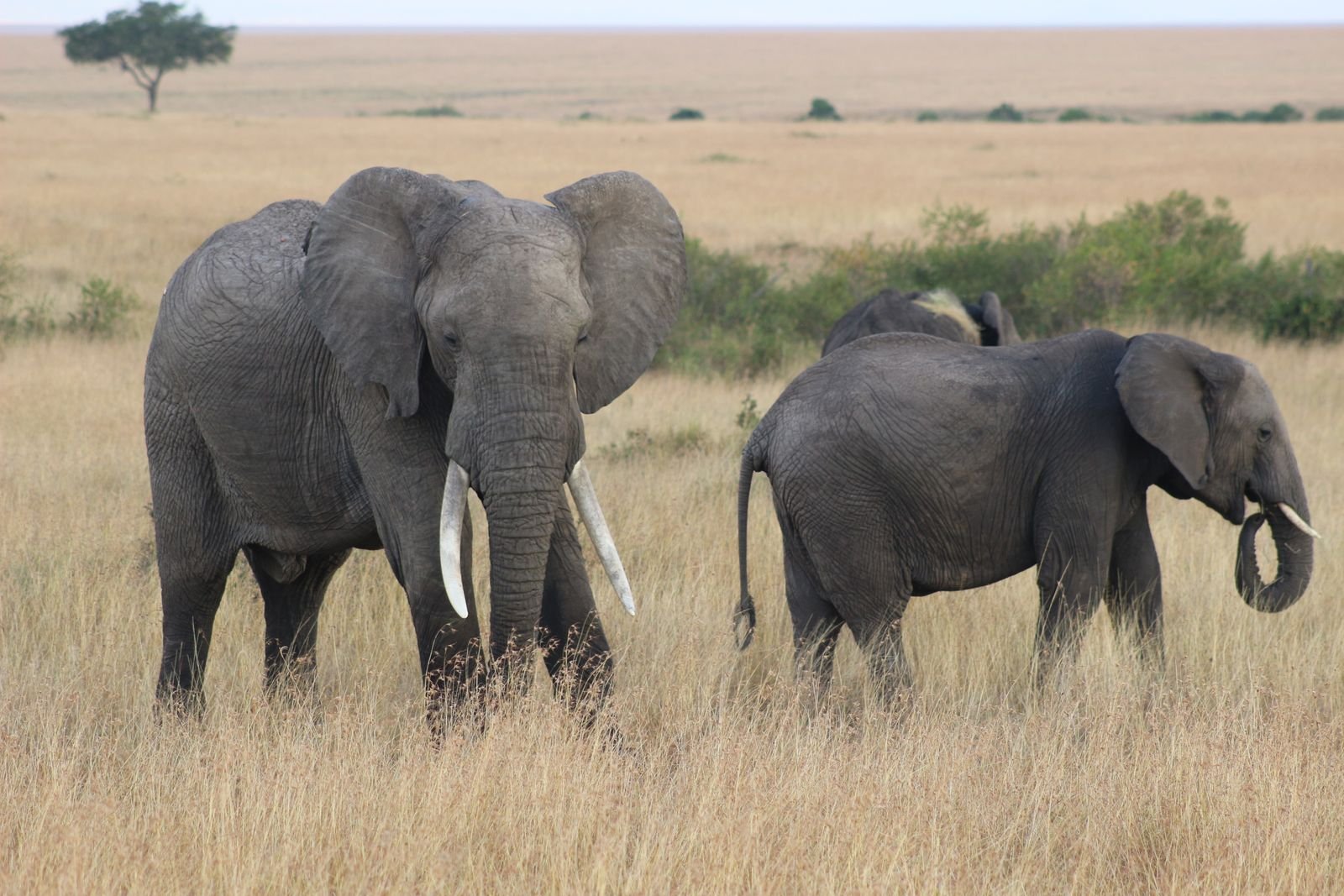
Corbett — the oldest. India’s first national park, in the Himalayan foothills. Elephants as well as tigers, and a wilder, more forested feel.
Tadoba — the riser. Sighting rates here have climbed fast in recent years, and it is drawing visitors who once only considered the famous three.
Gypsy or Canter?
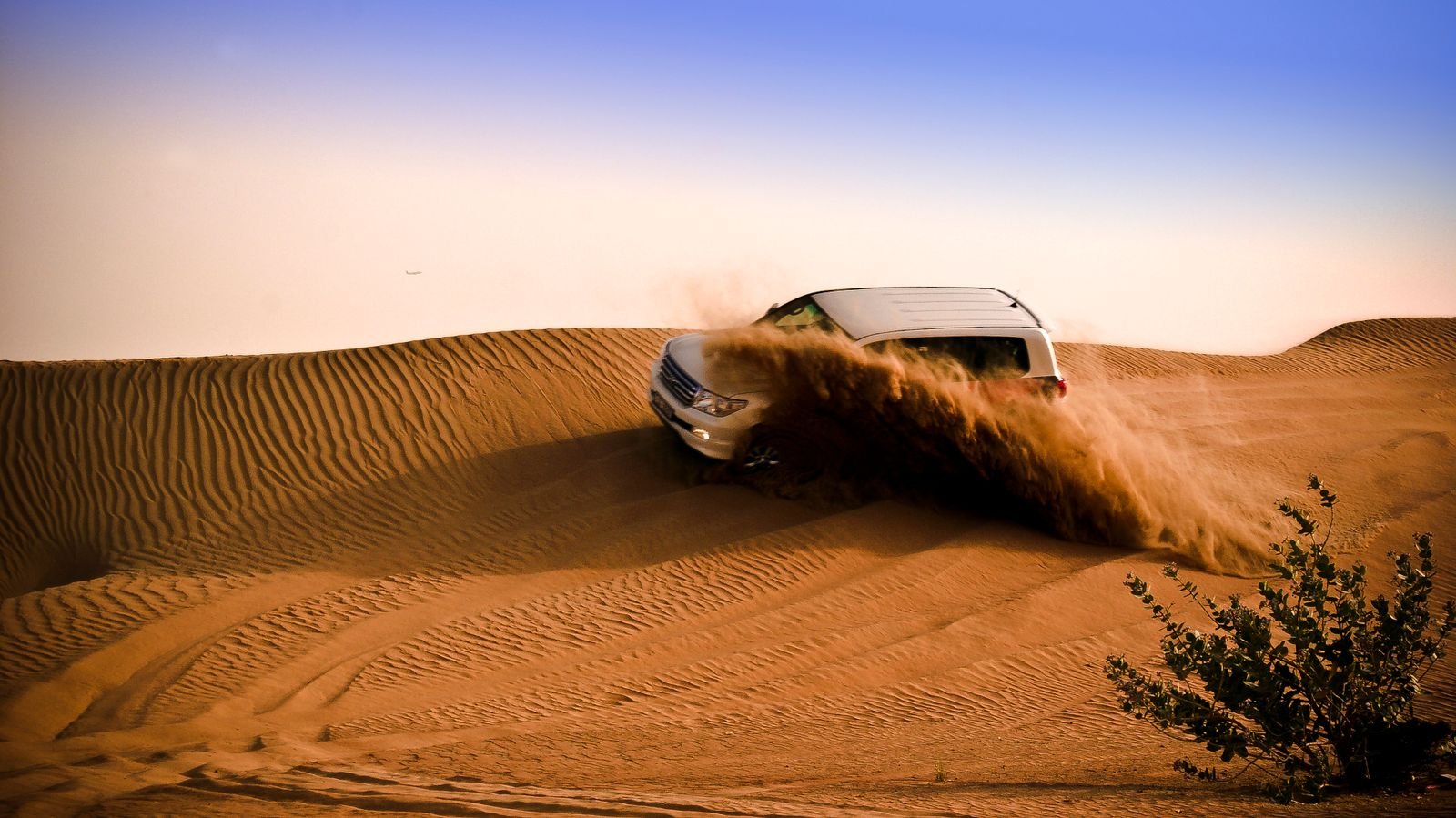
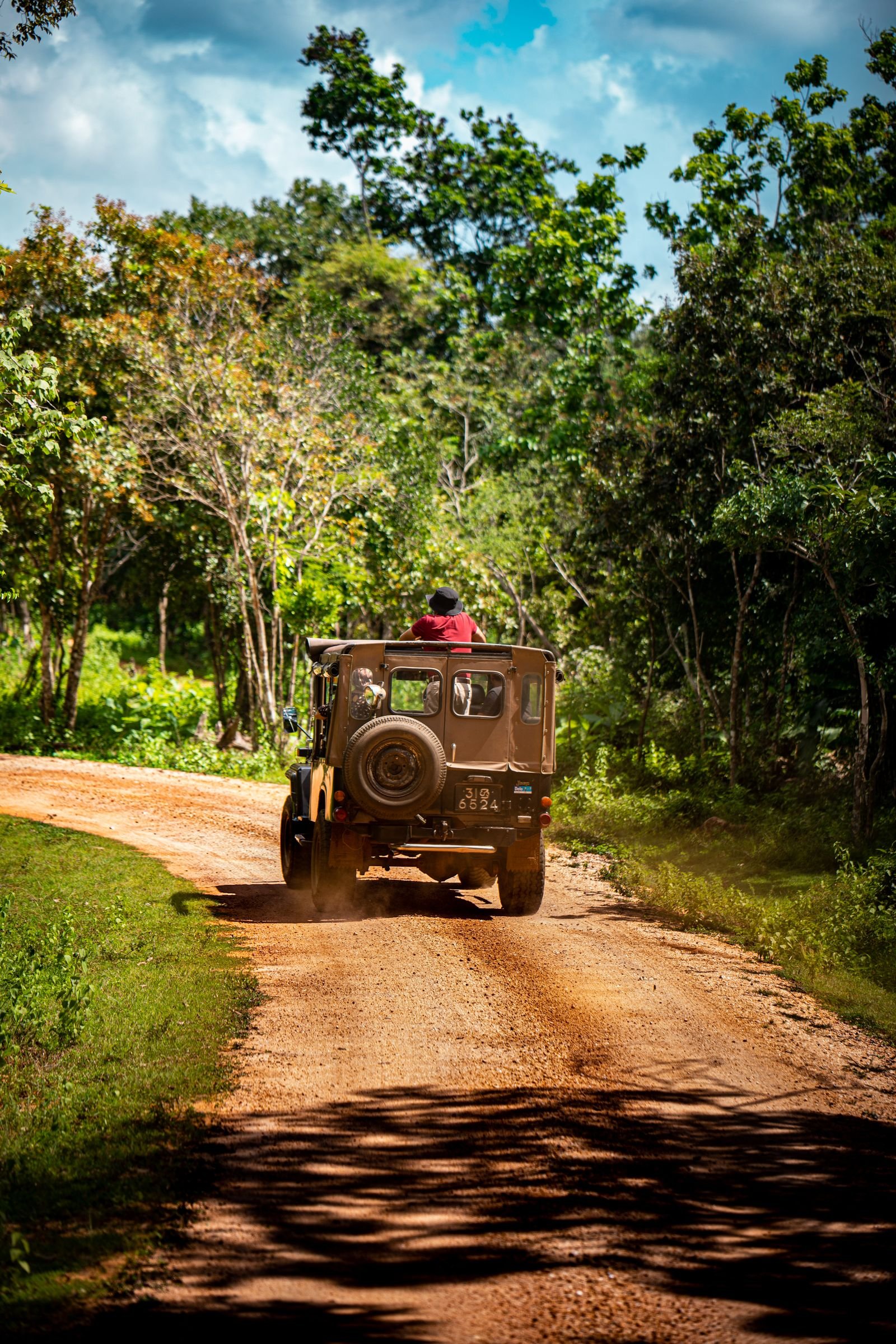
Everywhere, the vehicle choice is the same: a Gypsy — a 6-seat open jeep, nimbler and quieter — or a Canter — a 20-seat open bus, cheaper per seat and higher up, but noisier and slower to position. If your budget stretches to it, the Gypsy is the better tiger vehicle. Zones are allocated by availability on the official booking system — and no zone, in any park, guarantees a tiger. Anyone who promises you one is selling, not guiding.
Best time to go
Most reserves open from October to June, and close their core zones for the monsoon (July to September). March to June brings the best sightings, as animals crowd to the shrinking waterholes — but it comes with real heat, well past 40°C on some days. October to February is the comfortable window, with thicker greenery, misty mornings and harder spotting. Book core-zone permits about 90 days ahead: the popular zones in the popular parks go first, and an India tiger safari planned at the last minute is usually a buffer-zone safari.
What it costs — honestly
India’s fees are set park by park and state by state, and foreign visitors pay more than Indian visitors — so any single “India safari price” is a lie. Here is one real example, itemised. At Ranthambore, the official entry fee (in force since April 2026) for a foreign visitor is ₹3,024.80 per person in a Gypsy and ₹2,399.63 in a Canter. Vehicle and guide charges come on top, collected separately. Resellers bundling everything typically quote foreign visitors about ₹4,000–5,000 per seat.
Other parks set their own fees. Before comparing any two prices, check the stack: entry + vehicle + guide. Our Ranthambore guide below breaks its own park’s costs down line by line.
The two-drive day
An India tiger safari runs twice a day: an early-morning drive as the gates open, and a mid-afternoon drive that stays out until dusk — each around three to three and a half hours, with a naturalist guide who reads alarm calls, pugmarks and bird noise the way you read headlines. The middle of the day is yours: lunch, a rest, the pool if your lodge has one. Most visitors do three or four drives across two days in one park rather than rushing two parks — tiger watching rewards patience, and every extra drive multiplies your chances far more than a new park does.
Pairing a tiger safari with the rest of India
Ranthambore is the easiest tiger park in India to reach: the town of Sawai Madhopur sits on a main rail line from Delhi and Jaipur, which is why it slots so neatly into a Golden Triangle route — Taj Mahal in the morning, tiger country by the next afternoon. Bandhavgarh and Kanha pair naturally with each other in Madhya Pradesh for a longer, deeper tiger trip. However you build it, give one park at least two days: an India tiger safari is a game of drives, and the visitors who see tigers are almost always the ones who stayed for the fourth drive, not the ones who rushed on after the first.
It is not only tigers
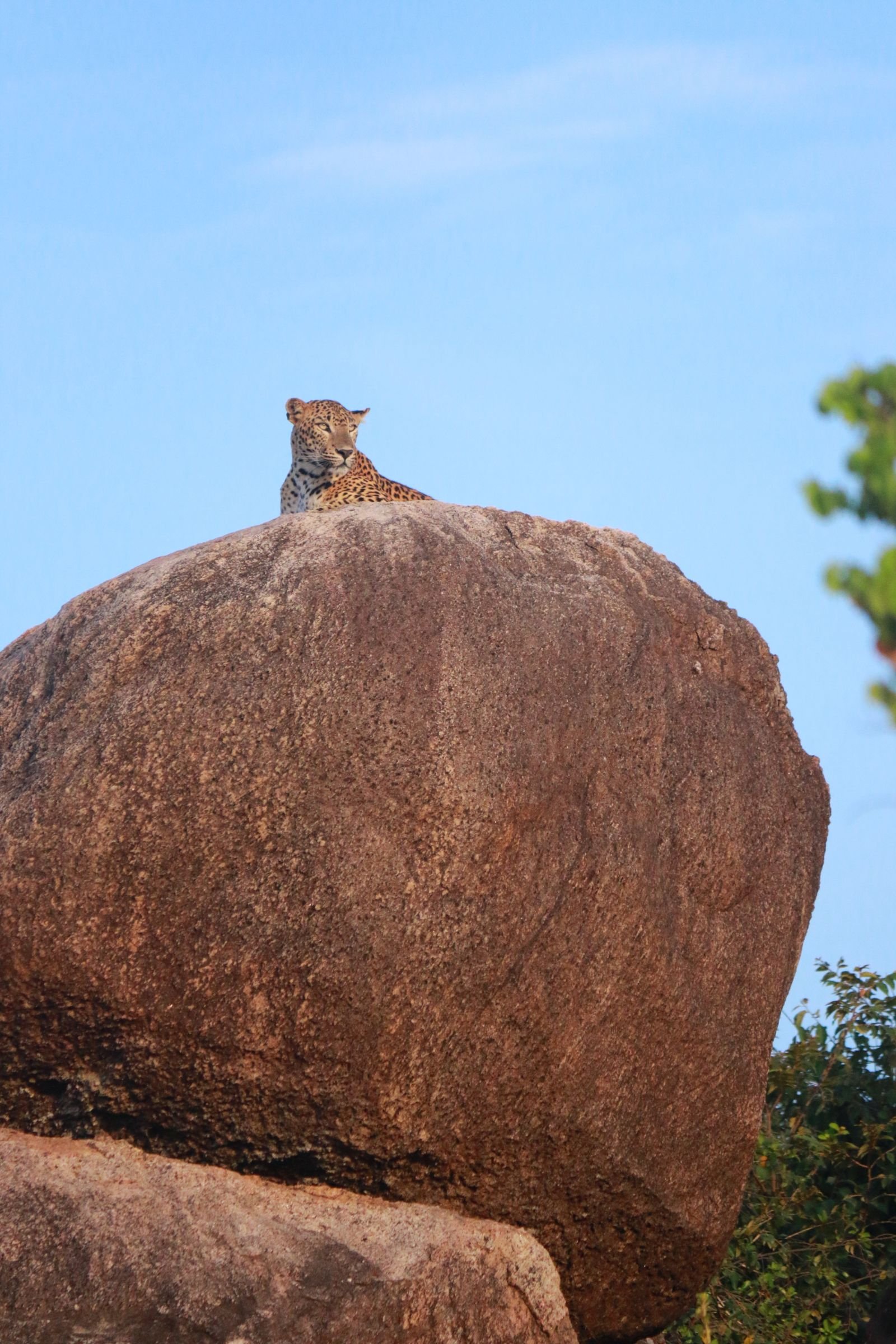
Go for the tiger, but notice the rest. Ranthambore’s lakes hold marsh crocodiles and painted storks, and leopards slip through its hills after dark. Kanha’s meadows are full of deer herds, and Corbett’s grasslands carry wild elephants. Sloth bears, wild dogs, gaur and some of Asia’s richest birdlife fill the drives between tiger sightings — on a good morning you will stop a dozen times before anyone whispers the word tiger. People who arrive obsessed with one animal usually leave talking about the whole forest.
Our India guides
- Ranthambore Safari: Zones, Prices & What a Tiger Trip Really Looks Like
- Tiger Safari in India — coming soon
- What to Pack for a Safari: The Complete Checklist
Browse everything in this region: Asian Safaris
FAQ
Which is the best park for a first India tiger safari?
Ranthambore. Its tigers are used to jeeps and often active in daylight, its lakes and fort make it beautiful even between sightings, and it fits neatly beside a Golden Triangle trip. Bandhavgarh is the pick if tiger density matters more than everything else.
When do India’s tiger parks close?
Core zones close for the monsoon, roughly July to September — Ranthambore’s zones 1–5 close on Wednesdays and zones 6–10 on Tuesdays during the season too. Most reserves run their full season from October to June.
How far ahead should I book safari permits?
About 90 days ahead for core zones in the popular parks — they sell out first. Buffer zones stay available longer and are the realistic option for late planners.
Gypsy or Canter — which is better?
The Gypsy: a 6-seat open jeep that is quieter, nimbler and better for photography. The Canter is a 20-seat open bus — cheaper per seat, but noisier. At Ranthambore the official foreign entry fee is ₹3,024.80 per person in a Gypsy and ₹2,399.63 in a Canter, with vehicle and guide charges on top.