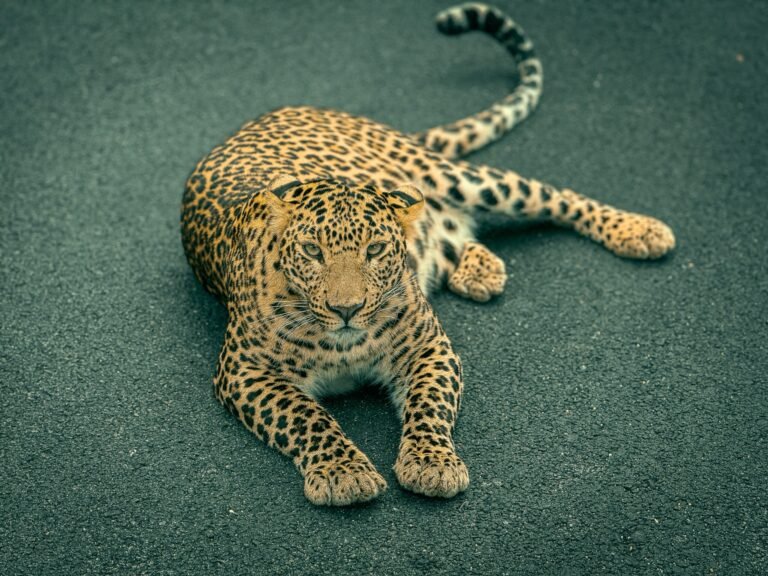

Ranthambore Safari: Zones, Prices & What a Tiger Trip Really Looks Like

If you want to see a wild tiger, Ranthambore is the easiest place in India to try. It is not the park with the most tigers — that is Bandhavgarh — but it is the one where a first-timer has the best shot: a compact park, a fort on a hill, lakes where tigers come to drink, and a railway station at its gate. You
can fly into Jaipur, take a train to Sawai Madhopur, and be on a morning safari the next day.
It is also the park where the price of a safari is hardest to work out. One website says ₹1,400 a seat. Another says ₹3,000. A third quotes a dollar figure that matches neither. They are all, in a sense, right — they are just pricing different things. This guide separates the official fee from the reseller price, explains the zones honestly, and tells you how many safaris you actually need.
Ranthambore in 60 seconds
Ranthambore National Park sits in Rajasthan, around the town of Sawai Madhopur, about 3–4 hours by train from Jaipur and roughly 6–7 hours by road from Delhi. The park is famous for three things: Bengal tigers that show themselves in daylight, the 1,000-year-old Ranthambore Fort rising above the forest, and lakes — Padam Talao, Rajbagh and Malik Talao — where animals gather in the dry months.
The safari area is split into 10 zones. Zones 1–5 are the older core zones, with the lakes, the fort views and the highest tiger density. Zones 6–10 are the buffer zones added later: quieter, easier to book, and with growing tiger numbers as the population spreads.
A safari means two drives a day — morning and afternoon — in an open vehicle, with a forest guide and a driver. You book a zone, not a tiger. Nobody can promise you one.
The 10 zones explained
Your zone decides the landscape you drive through, the gate you enter from, and roughly your odds of a sighting — but it does not decide whether you see a tiger. The forest department allots zones by availability through its computerised system, and your preferred zone is never guaranteed. Book early and you have a better chance of the zone you asked for; book late and you take what is left.
| Zones | What they are | Best for |
|---|---|---|
| Zone 1 | Core, Singh Dwar gate, hilly forest | Good all-round core zone |
| Zone 2 | Core, lakes and open meadows | Tigers near water in the dry months |
| Zone 3 | Core — Padam Talao, Rajbagh Lake, Jogi Mahal | The most requested zone; lakes, fort views, tigers |
| Zone 4 | Core — Malik Talao | The other most requested zone; strong tiger reputation |
| Zone 5 | Core, rocky hills | Quieter core zone, still good sightings |
| Zones 6–10 | Buffer zones, hillier and less crowded | Easier booking, fewer vehicles, growing tiger numbers |
Zone 3 and Zone 4 are the names every booking page pushes, and for a reason: the lakes pull animals in the dry season, and the scenery is the best in the park. But the honest version is this: tigers move between zones, and a tiger in Zone 6 counts exactly the same as a tiger in Zone 3. The buffer zones are not a bad draw — they are a quieter one, with fewer vehicles at a sighting. If the core zones are sold out for your dates, a buffer-zone safari is a good safari, not a consolation prize.
Gypsy vs Canter: which to book
There are two vehicles, and the choice matters more than the zone.
Gypsy — a 6-seat open jeep. Smaller, faster, closer to the ground, and it can take the rougher tracks. Six people, one guide, one driver. This is the vehicle most visitors want, and it sells out first.
Canter — a 20-seat open bus-truck. Higher up, so the view over the grass is good, but you share it with 19 other people and it moves more slowly. It is the budget option, and it is also the fallback when Gypsies are gone.
The practical rule: book a Gypsy if you can, and book it early. A Canter is still a real safari — same zones, same forest, same tigers — but the Gypsy is quieter, quicker to a sighting, and easier to photograph from. Zones 7 and 8, in the buffer, are Gypsy-only: the roads are too rough for Canters.

What a safari really costs
Here is the confusion, cleared up. A Ranthambore safari has two layers of cost, and most websites quote only one of them.
Layer 1 — the official entry fee. This is the forest department’s per-person fee, in force since 1 April 2026 (fees rise roughly 10% each April under a rule adopted in 2016). Vehicle and guide charges are collected separately, at boarding-pass pickup.
| Vehicle | Indian visitor | Foreign visitor |
|---|---|---|
| Gypsy (6 seats) | ₹1,611.80 | ₹3,024.80 |
| Canter (20 seats) | ₹986.63 | ₹2,399.63 |
Layer 2 — what you actually pay. Almost nobody books the bare fee. Most visitors pay a hotel, agent or online operator, who bundles the entry fee, the vehicle, the guide, transfers and their own margin into one per-seat price. That is why the numbers online disagree so wildly.
What resellers were quoting in 2026: roughly ₹1,600–2,000 per Canter seat and ₹2,200 per Gypsy seat for Indian visitors; roughly ₹4,000–5,000 per seat for foreign visitors. One operator publishes its own rate plainly: ₹1,400 per seat and ₹25,000 for a full private Gypsy, the same all year — that is one operator’s rate, not the official fee.
So when a listing says ₹1,400 and another says ₹5,000, neither is lying. One is closer to the bare official fee, the other is an all-in foreign-visitor price with a vehicle and guide bundled in. Ask any operator what their price includes — entry fee, vehicle, guide, transfers — before you compare it with another.
Timings, season and the weekly rest days
The park runs two safaris a day, morning and afternoon. Timings shift a little with the seasons; in October, for example, the morning drive runs about 6:30–10:00 AM and the afternoon drive about 2:30–6:00 PM. Your confirmed permit always carries the exact reporting time for your day — go by that, not by a website.
The season is 1 October to 30 June. The core zones (1–5) close for the monsoon from July to September. The buffer zones (6–10) have stayed open through the monsoon in recent years — but the department decides this each year, so check the notice before planning a monsoon trip.
The weekly rest days are the trap most visitors miss. Every week:
- Zones 1–5 close on Wednesdays.
- Zones 6–10 close on Tuesdays.
If you arrive on a Wednesday with one day in Sawai Madhopur and your heart set on Zone 3, you will not get it — the whole core is resting. Plan your travel dates around these days, especially if you only have one safari in you. Rest days can change, so confirm them on the forest department notice for your dates.
Best time for tigers vs best time for comfort
March to June is the best time for sightings. The heat dries the waterholes, the grass thins out, and animals — tigers included — come to the lakes to drink. The trade-off is the heat: May and June in Rajasthan are genuinely hot, and the afternoon drive can be brutal.
October to February is the best time for comfort. Cool mornings, clear light, easy drives. The trade-off is the sightings: with water everywhere, tigers spread out, and the tall grass hides them better. Winter mornings can also be foggy, which delays the start.
The sweet spot for most first-timers is November to February for comfort, or March and April for a balance of decent sightings and bearable heat. There is no month that guarantees a tiger, and no month with zero chance.
How booking actually works
Booking runs through the Rajasthan Forest Department portal (SSO login). Permits open well in advance, and the core zones sell out fast in peak season — book 60–90 days ahead if you want a Gypsy in Zones 3 or 4 between December and April.
The practical steps:
- Pick your dates first, then your zone. Work around the weekly rest days and the monsoon.
- Book the permit in your name. You need ID, and the permit is issued per person.
- Collect your boarding pass before the drive — vehicle and guide charges are paid at pickup.
- Arrive at the gate on time. The permit carries your reporting time; a late arrival can lose the seat.
Most visitors book through a hotel or agent rather than the portal directly, and that is fine — the permit is still issued in your name on the official portal. What matters is knowing what you paid for: the official fee, the vehicle, the guide. Ask before you pay, and keep the permit details.
How many safaris do you need?
Honestly: more than one. A single drive is a coin toss — a tiger may be sleeping in the grass fifty metres from the track and you will never know. Two or three drives across two days is the sensible minimum for a real chance, and it is also how the park is meant to be seen: different zones, different light, different animals.
A good first trip is two nights in Sawai Madhopur, three drives — two mornings and an afternoon, or the reverse. Book different zones if you can: one core zone for the lakes, one buffer zone for the quiet. And remember the golden rule of every tiger park: the forest does not owe you a sighting. The drive itself — the fort on the hill, the lakes at dawn, the langurs in the trees — is worth the trip even on a tigerless day.
What to pack for a Ranthambore safari
Ranthambore is a dry, dusty forest, and the drives start before dawn. Pack like the morning is cold and the afternoon is hot, because both are true. Layers, a light jacket for the winter morning drive, closed shoes, sunscreen, a hat, and binoculars if you have them — one pair per person, not per couple. Full checklist: What to Pack for a Safari.
Which Ranthambore zone is best for tigers?
Zones 3 and 4 are the most requested — Zone 3 has Padam Talao and Rajbagh Lake, Zone 4 has Malik Talao, and tigers come to the lakes in the dry months. But no zone guarantees a tiger: the forest department allots zones by availability, and tigers move between them. A buffer-zone safari (6–10) is a good safari too, with fewer vehicles at a sighting.
How much does a Ranthambore safari cost?
The official forest-department entry fee, in force since 1 April 2026, is ₹1,611.80 (Indian) or ₹3,024.80 (foreign) per person in a Gypsy, and ₹986.63 or ₹2,399.63 in a Canter — plus vehicle and guide charges paid separately. Resellers bundle all of it into one price: roughly ₹1,600–2,000 per Canter seat and ₹2,200 per Gypsy seat for Indian visitors, and roughly ₹4,000–5,000 per seat for foreign visitors.
Gypsy or Canter — what is the difference?
A Gypsy is a 6-seat open jeep: smaller, faster, closer to the ground, and the one most visitors want. A Canter is a 20-seat open bus-truck: higher view, slower, shared with 19 others, and cheaper. Zones 7 and 8 are Gypsy-only. Book a Gypsy early; take a Canter happily if that is what is left.
When is Ranthambore closed?
The core zones (1–5) close for the monsoon from July to September; the park season runs 1 October to 30 June. Buffer zones (6–10) have stayed open through the monsoon in recent years, but the department decides yearly. Every week, Zones 1–5 also close on Wednesdays and Zones 6–10 on Tuesdays — confirm on the forest department notice for your dates.
How far in advance should I book?
Book 60–90 days ahead for a Gypsy in the core zones during peak season (December to April). Permits are issued through the Rajasthan Forest Department portal, in your name, with ID — and a confirmed permit is generally non-refundable and non-transferable.
Can I choose my zone?
You can request a zone, but the forest department allots zones by availability through its computerised system — your preference is not guaranteed. Book early for the best chance of the zone you asked for, and treat a buffer-zone allocation as a good outcome, not a bad one.
Ranthambore rewards the traveller who books early, plans around the rest days, and understands the price before paying it. Do that, take two or three drives, and you give yourself the best realistic shot at a tiger in the wild — with a fort on a hill and a lake at dawn as the backup plan. For the bigger picture, our Tiger Safari in India guide (coming soon) compares Ranthambore with Bandhavgarh, Kanha, Corbett and Tadoba. For every other kind of safari, browse our Asian Safaris hub.