Desert Safari Dubai: The Complete Guide (Costs, Types, What to Expect)

A desert safari is the one trip almost everyone takes in Dubai — and the one most people book half-blind. Prices range from AED 65 to more than AED 1,500, and the difference is rarely obvious from the listing.
This guide explains what you are actually paying for: the desert, the trip type, the timeline and the extras that nobody puts in the headline price.
What is a desert safari in Dubai?
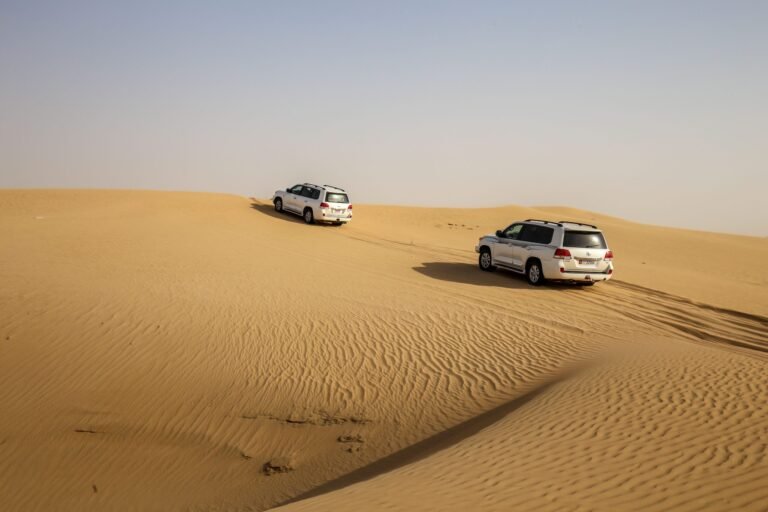
A desert safari is a guided trip from the city into the Arabian desert, usually in a 4×4. The classic version runs in the evening: a driver collects you from your hotel, drives you 45 to 60 minutes out of Dubai, takes you over the dunes, stops for sunset, and brings you to a desert camp for a short camel ride, dinner and live shows. Then you are driven back, home by around 9 to 10 PM.
Everything else — morning trips, overnight stays, private cars, quad bikes — is a variation on that same idea: city out, dunes, camp, city back.
Which desert do you actually go to? (the part most guides skip)
“Dubai desert safari” is not one place. Where your operator drives changes the dunes, the scenery and how long you sit in the car:
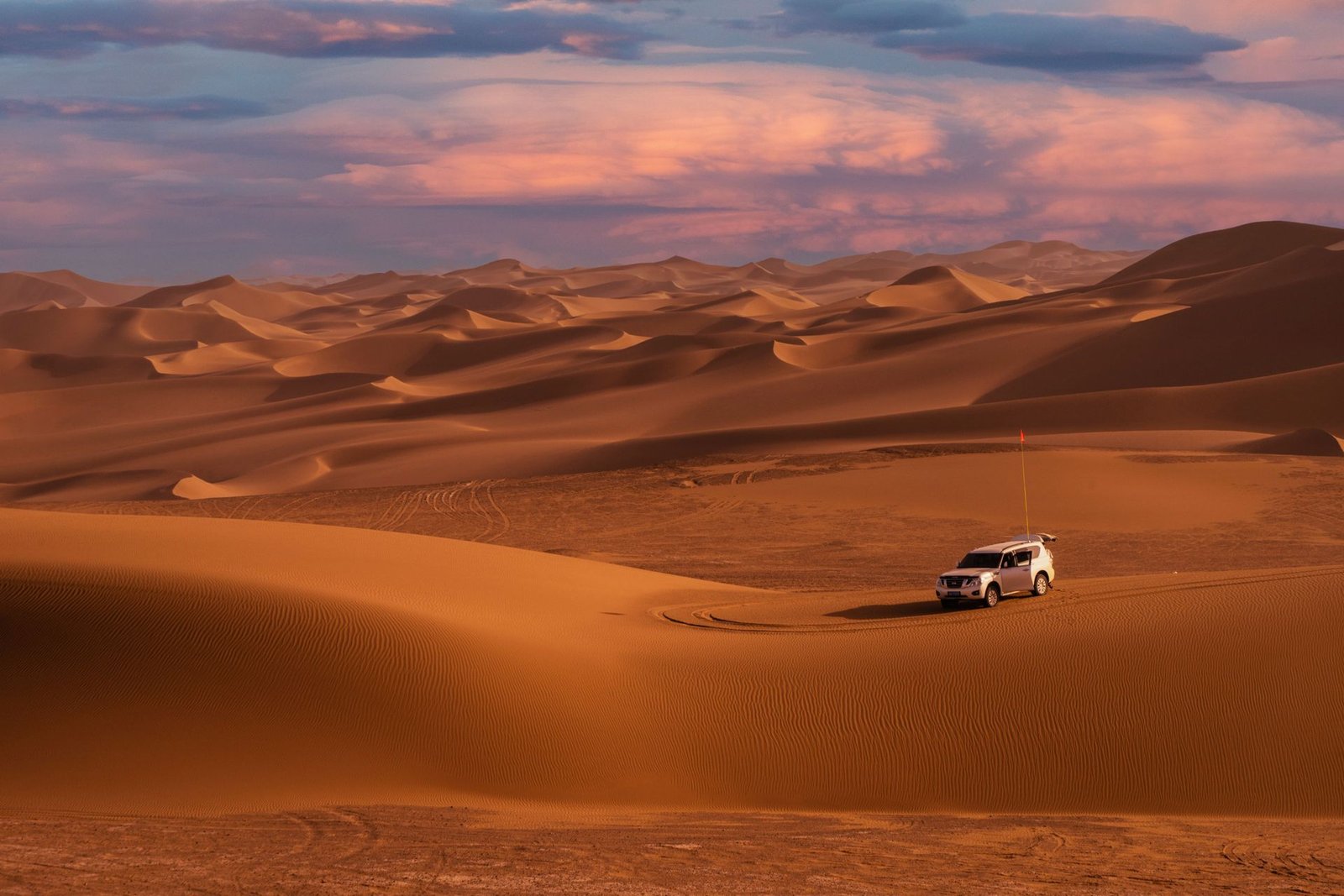
- Lahbab (the Red Dunes) — about 50 km south-east of the city. The dunes here are tall and red-orange from iron in the sand. This is the best dune bashing in Dubai and the sunset photos you have seen online. If a listing says “red dunes”, this is it.
- Al Marmoom — closer to the city, gentler and flatter. Shorter drive, calmer ride, good for families and anyone nervous about dune bashing.
- Dubai Desert Conservation Reserve — a protected reserve of about 225 sq km where you can spot Arabian oryx and gazelles. Safaris here are run by a small number of permitted operators, cost more, and focus on wildlife and heritage rather than thrill rides — no dune bashing inside the reserve.
Neither is “wrong”. But if you paid for towering red dunes and got flat scrubland, you would feel cheated — so check the location before you book, not after.
The types of desert safari, compared
Evening safari (the classic). Pickup roughly 2:30–3:30 PM, back by 9–10 PM. Dune bashing, sunset stop, camp, BBQ dinner, shows. Best for first-timers — it is the full experience in one evening.
Morning safari. Pickup around 7–8 AM, back by late morning. Dune drive, sandboarding, a short camel ride, sometimes breakfast. No camp dinner, no shows. Best for short stays, hot months, and people who want the dunes without the evening programme.
Sunrise safari. The earliest start — pickup can be 4–5 AM depending on season. The desert is quiet, cool and empty, and the light is unlike anything at sunset. A photographer’s trip more than a party trip.
Overnight safari. The evening programme, then you sleep in the camp — tent or open sky — with breakfast at sunrise. Best for stargazing and anyone who finds the evening too rushed.
Private safari. Your own car and driver, your own pace, often a better camp or a private area within one. Families with small children and groups celebrating something usually get the most value from this.
What it really costs
Prices below are per person and are honest ranges across major Dubai operators and booking platforms at the time of writing (November 2026). They move with season — winter and holidays cost more.
- Basic shared evening safari: about AED 65–120. At the very bottom of this range, read the listing twice: the cheapest tickets often mean a central meeting point or a bus to the desert, not hotel pickup in a 4×4.
- Standard evening safari with hotel pickup: about AED 130–300. This is the range most people should buy in.
- Morning safari: about AED 100–250.
- Overnight safari: about AED 250–600.
- Premium and private safaris (including conservation-reserve trips): about AED 350–1,500+.
Our full breakdown of every cost, including child prices and private cars, is in our dedicated guide: Desert Safari Dubai Price & Cost.
The add-on economy: what is NOT included
This is where cheap safaris stop being cheap. At most camps, these are extra and are offered on the night: quad biking (often around AED 150 for 30 minutes), dune buggies (more), VIP seating with table service, falcon photos, shisha brought to your table, professional photos, and drinks beyond soft drinks and water. None of this is a scam — some of it is great fun — but a AED 99 ticket can become a AED 350 evening. Decide your extras budget before you arrive, and carry some cash: card machines at desert camps are not guaranteed.
How an evening safari runs, hour by hour
Timings shift with sunset through the year, but the shape is always the same:
- Pickup (about 2:30–3:30 PM): your driver collects you from your hotel or a nearby point. Shared trips may make 2–3 stops.
- Drive out (45–60 min): highway first, then the dunes appear. There is usually a short stop where tyres are deflated for the sand.
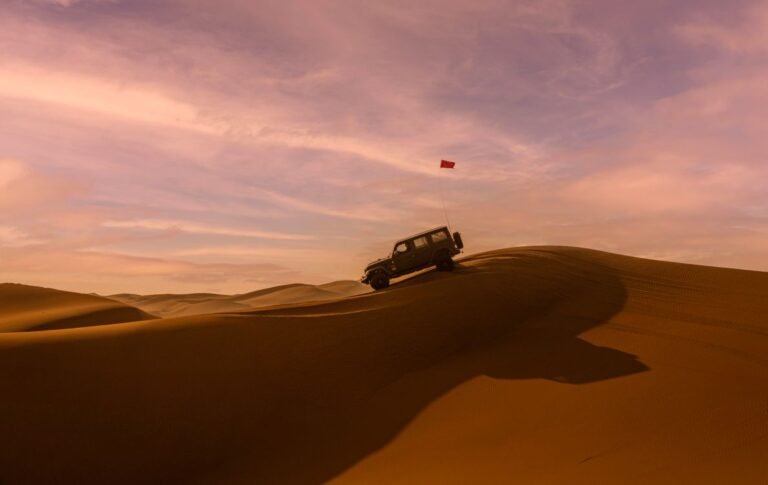
- Dune bashing (20–45 min): the roller-coaster part. Drivers are trained and the cars have roll cages, but it is deliberately bumpy.
- Sunset stop: a high dune, photos, sandboarding for anyone who wants it.
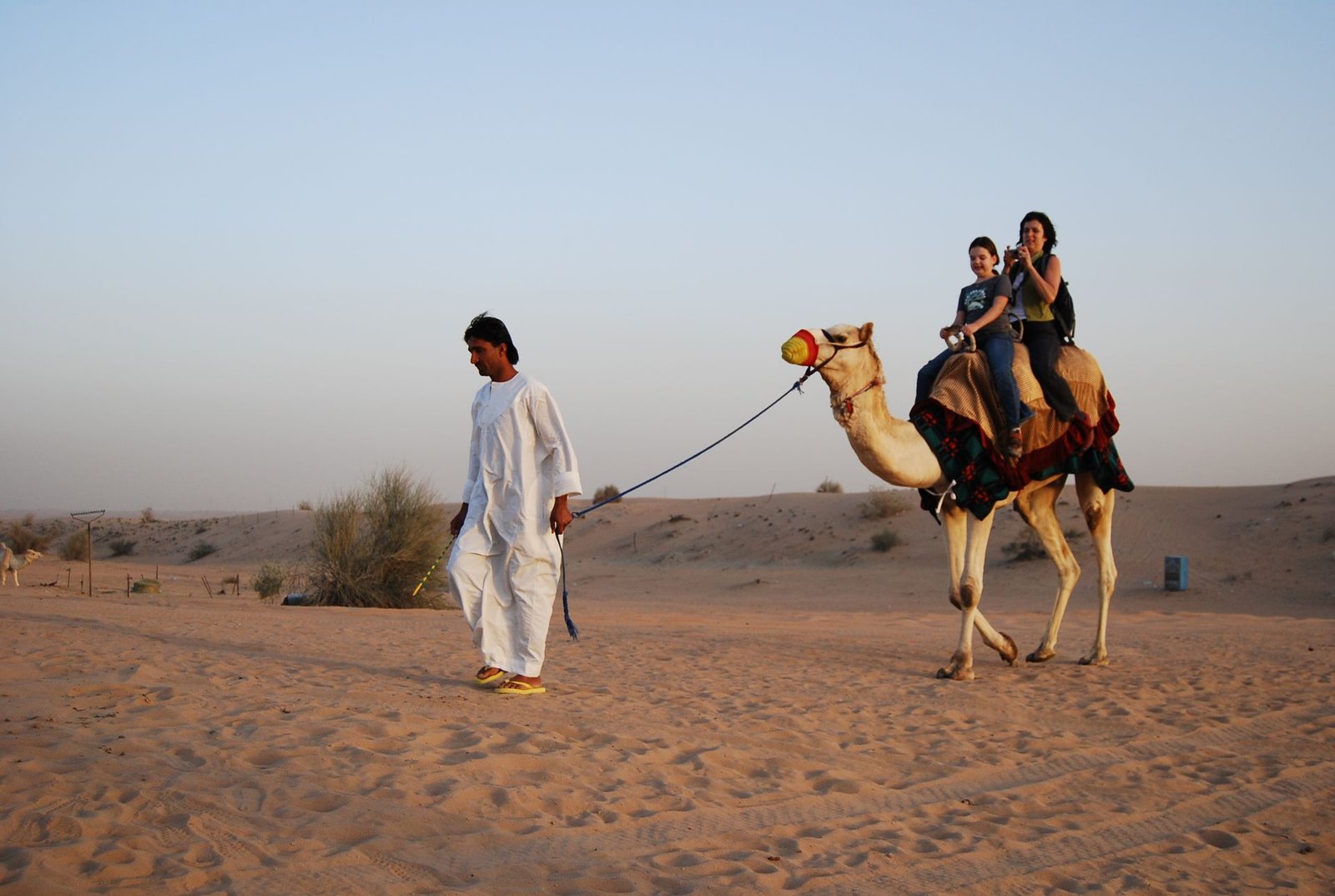
- Camp (about 2.5–3 hours): a short camel ride, henna, Arabic coffee and dates, then a BBQ buffet dinner (vegetarian options are standard) and live shows — typically Tanoura spinning, a fire show and belly dance.
- Drive back: you are dropped at your hotel around 9–10 PM.
Best time of year — and the Ramadan note
October to April is the comfortable season, with November to March the sweet spot: warm days, cool evenings. May to September is genuinely hot — the evening safari still runs and is cheaper, but choose an operator with air-conditioned pickup and take the heat seriously.
One thing most guides never mention: during Ramadan, the evening programme changes. Belly dance shows are paused, alcohol is not served, music is subdued and timings shift around iftar. The desert itself is as beautiful as ever, and many visitors find the quieter camp a plus — just book knowing the show list is different.
Who should skip dune bashing
Honestly: anyone who is pregnant, has a back or neck problem, or gets severe motion sickness should not do the dune-bashing part. You do not have to skip the whole safari — good operators will drive you gently straight to camp if you ask when booking. Small children (under about 3) are also better off on a gentle or private trip. Tell the operator about health or dietary needs when you book, not at pickup.
What to wear and bring (short version)
Light, loose clothes; closed shoes or strapped sandals for the sand; sunglasses and a scarf against wind-blown sand; and a warm layer from November to February — the desert gets cold fast after sunset. Eat lightly before pickup: a heavy lunch and dune bashing do not mix. Our full guides: What to Wear for Desert Safari in Dubai and Desert Safari Packing List.
Before you book: 6 questions to ask any operator
- Which desert do we go to — Lahbab, Al Marmoom, or somewhere else?
- Is pickup from my hotel, or a meeting point?
- How long is the dune bashing, and can it be softened or skipped?
- What exactly is included — camel ride, sandboarding, dinner, shows, drinks?
- What are the extras at camp, and what do they cost?
- Are you licensed, and what is your cancellation policy if weather turns?
An operator who answers all six clearly is usually an operator worth booking. Vague answers are an answer too.
However you book it, book it knowing what you are buying: the desert, the camp and the small print.
Start your search here: our Desert Safaris hub.
How much does a desert safari in Dubai cost?
Most shared evening safaris cost about AED 65–300 per person, depending on the operator, the inclusions and the month. Budget at least AED 350–500 per person if you want a premium or private trip. Our detailed breakdown is in our Desert Safari Dubai Price & Cost guide.
Is a desert safari in Dubai worth it?
For most visitors, yes — it is the easiest way to see the desert in one evening, and the sunset over the dunes alone makes the trip. If you hate bumpy rides, consider a morning or private safari instead, and skip the dune bashing.
What is dune bashing, and is it safe?
Dune bashing is a 20–45 minute drive up and down the dunes in a 4×4, done by a licensed driver in a car with a roll cage. Seat belts stay on the whole time. It is safe for healthy adults and older children; pregnant women, people with back problems and anyone with severe motion sickness should sit this part out.
Morning, evening or overnight — which is best?
For a first trip, evening: you get the sunset, the camp and the shows in one package. Morning is best for heat and short stays (and our Morning Desert Safari Dubai guide covers it in detail). Overnight is best for stargazing.
What should I wear on a desert safari?
Light, loose clothes, closed shoes or strapped sandals, sunglasses and a scarf for wind-blown sand. Bring a warm layer in the winter months — it gets cold after sunset.
Will I get picked up from my hotel?
Almost always, if you book a standard or premium trip: most operators collect from Dubai hotels and the main meeting points. The cheapest shared tickets sometimes use a central meeting point instead, so check your booking.





4 Comments