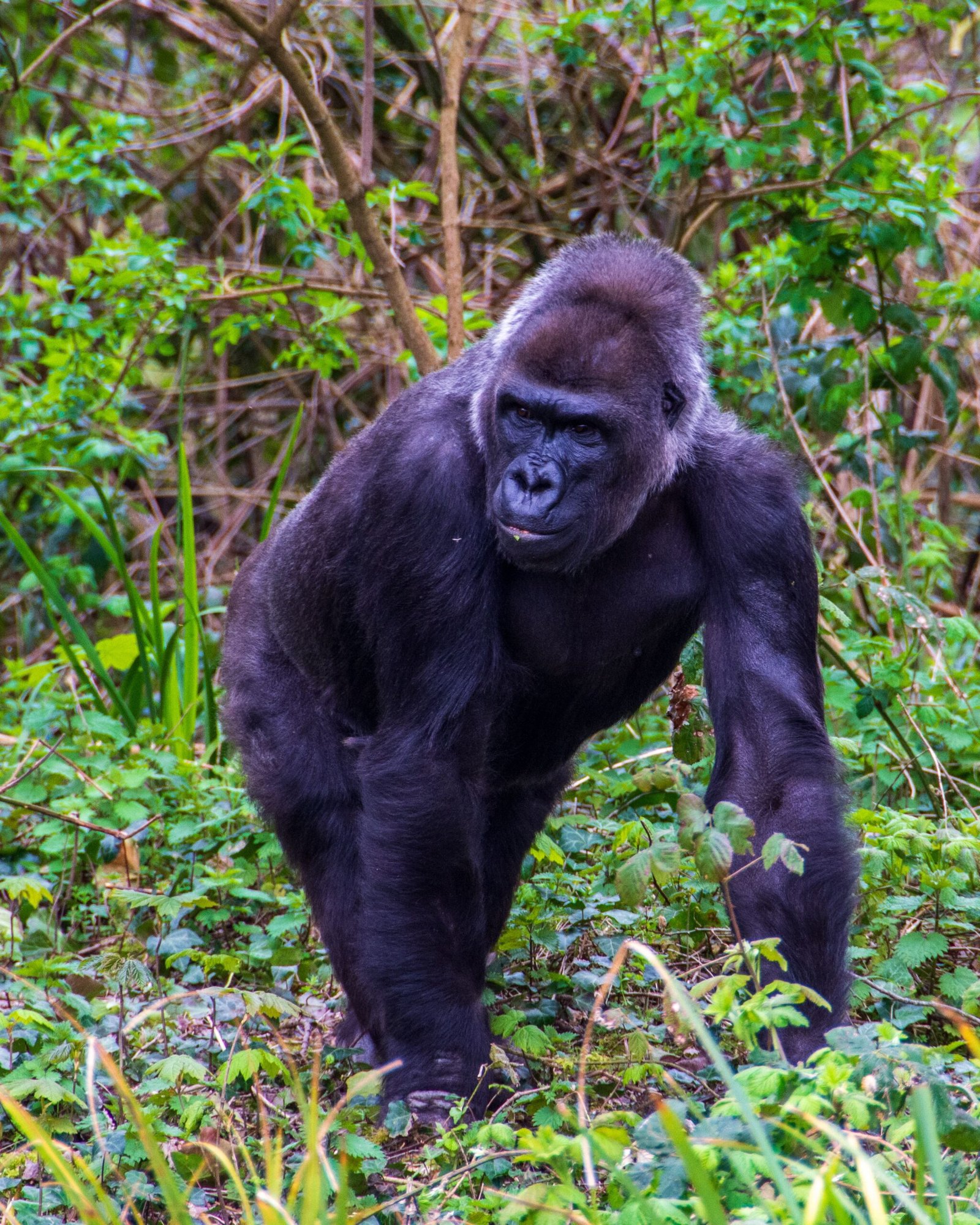
Gorilla Trekking in Uganda & Rwanda: Permits, Prices and the Honest Choice

The question everyone asks first — Uganda or Rwanda for gorilla trekking? — has a $700 answer and a much longer real answer. The permit in Uganda costs $800. The permit in Rwanda costs $1,500. That is the headline on every guide on the first page of Google, and it is also where most guides stop. The permit is not the trip. Once you add the lodge nights, the transfers, the porter and the days either side of the trek, the gap narrows, and for some travellers it flips entirely. This guide builds the full cost for both countries, sector by sector, and gives you the honest choice. If you are new to African safaris in general, start with our complete guide: African Safari Beginner’s Guide — and for the wider money picture, see How Much Does an African Safari Cost?
Uganda or Rwanda? The quick answer
Uganda is the better pick for most people. The permit is $700 cheaper, the trekking is wilder and more varied across Bwindi’s four sectors, and the total trip usually comes out cheaper even after the longer drive. Rwanda is the better pick if your time is short. Volcanoes National Park sits about 2.5 hours from Kigali, so a trek can be done in two days from landing; Uganda’s Bwindi is 8–10 hours by road from Kampala or Entebbe, or a short domestic flight. If you have three days and a bigger budget, Rwanda wins on convenience. If you have four or more days and want the fuller experience for less money, Uganda wins. That is the whole decision, and everything below is the evidence for it.
The permits, exactly (UWA vs RDB tariffs)
Permit prices are set by the park authorities, not by operators, and they are the one cost that does not vary between tour companies. Figures below are the published 2026 tariffs, checked November 2026.
Uganda — Uganda Wildlife Authority (UWA) tariff:
- Gorilla tracking, foreign non-resident: US$800 per person
- Foreign resident: $700 · Rest of Africa: $500 · East African citizen: UGX 300,000
- Low season (April, May, November): $600 foreign non-resident / $500 foreign resident — but low-season permits cannot be rescheduled, so only book one if your dates are certain
- Gorilla habituation experience (Rushaga only): $1,500 foreign non-resident, rising to $1,800 from 1 January 2027 (foreign resident $1,600). Tracking stays at $800.
Rwanda — Rwanda Development Board (RDB):
- Gorilla tracking, foreign non-resident: US$1,500 per person, for 2026 and 2027
- Reduced rates of $500 and $200 apply to African and resident categories until the end of 2026, except June–October (reported by eastafrica.guide) — worth checking if you qualify, as most guides never mention it.
What the permit buys: one trek, one habituated gorilla family, a maximum of 8 visitors per family per day, and exactly 1 hour with the gorillas once the trackers find them. Minimum age is 15 in both countries. There are around 19 habituated families in Uganda and around 12 in Rwanda, which works out to roughly 152 permits a day in Uganda and 96 in Rwanda (operator figures, consistent across the sources we read). That daily cap is why peak-season permits sell out — book 6–12 months ahead for June to September and December to February, and treat anything less than three months ahead in peak season as a gamble.
What the whole trip actually costs (permit + everything else)
Here is the gap the top guides leave open: the line-item build-up for both countries, using worked operator totals from Semu Gorilla Safaris, checked November 2026.
Rwanda, 2 days from Kigali: $1,800–$2,200 all-in per person.
That covers the $1,500 permit, one lodge night near Volcanoes National Park, the short transfer from Kigali, and guiding. The permit alone is roughly 70–80% of the total — which is why Rwanda feels expensive and why the trip is so short: there is little else to pay for once the permit is bought.
Uganda, 3 days from Entebbe: $1,250–$1,600 all-in per person.
That covers the $800 permit, two lodge nights near Bwindi, the long road transfer (or the domestic flight, which costs more), and guiding. The permit is about half the total here, so the saving is real — roughly $550–$600 less than Rwanda for a trip that is a day longer.
Add a porter: about $20.
Porters are hired at the trailhead and carry your daypack — and, on the steep muddy sections, offer a steadying hand. It is the best $20 on the whole trip, and it puts money directly into the local community. Budget it in from the start, not as an afterthought.
The honest total, then: a Uganda trek is not an $800 trip, it is a $1,250–$1,600 trip, and a Rwanda trek is not a $1,500 trip, it is a $1,800–$2,200 trip. Anyone quoting you just the permit price is quoting you just over half the cost.
Bwindi’s four sectors, compared — and Mgahinga
Bwindi Impenetrable Forest is not one trailhead. It has four sectors, and which one your permit is for decides where you sleep, how hard you walk, and what the day feels like. Most guides list the sector names and move on. Here is what they mean in practice.
- Buhoma is the original sector, in the north, with the most lodges and the easiest logistics. First-timers default here, and for good reason.
- Ruhija sits in the east, higher up and cooler, with fewer lodges. The trekking here is often steeper.
- Rushaga in the south has the most habituated families — and it is the only sector that offers the habituation experience (see below).
- Nkuringo, also in the south, is the toughest walking of the four: steep, high, and the sector experienced trekkers talk about with the most respect.
The practical point: your permit is sector-specific, so book the lodge in the same sector as your permit. A Buhoma permit with a Rushaga lodge means a long, early drive across the forest before you have even started walking. Confirm the sector in writing when you book — this is the single most common planning mistake, and it is entirely avoidable.
Mgahinga Gorilla National Park is Uganda’s smaller second option, on the border with Rwanda and DR Congo. It holds one habituated family, so permits are scarce, but it is the closest Ugandan trekking to Kigali — a genuine alternative if Bwindi permits in your dates are gone and you do not want to pay Rwanda’s $1,500.

Volcanoes National Park, Rwanda
Rwanda’s trekking happens in one park, Volcanoes, and that simplicity is the product. The park is about 2.5 hours from Kigali on a good road, the lodges cluster at the park edge, and the whole trip can be done in two days: arrive, trek, leave. The terrain is bamboo forest on volcanic slopes — open, in places, compared with Bwindi’s dense tangle, and many trekkers find the walking easier. What you give up is variety: one park, fewer families, and the $1,500 permit. What you gain is time. If your safari is a long weekend bolted onto a business trip or a wider East Africa itinerary, that is worth real money.
The habituation experience — the skipped alternative
Almost every guide mentions habituation in one line and moves on. It deserves more. In Rushaga, Bwindi, you can join researchers and trackers habituating a wild gorilla family — a 4-hour visit instead of the standard 1 hour, following the family as the team works with them. Only 4 permits a day exist, which makes it the scarcest ticket in gorilla trekking. The price is $1,500 for a foreign non-resident, rising to $1,800 from 1 January 2027 (foreign resident $1,600). Our verdict: if you are a serious wildlife watcher rather than a once-in-a-lifetime ticker, and you can get one of the four daily permits, habituation is the better experience — four hours of watching gorillas behave naturally beats one hour of watching them tolerate you. For everyone else, the standard trek is the right call, and the $700 you save over Rwanda’s permit buys the longer Uganda trip.
How hard is the trek, honestly?
This is the section most guides soften, and it is the one that matters most once you are on the mountain. Bwindi treks last 2–8 hours of walking, depending on where the gorillas are that morning. There is no way to know in advance — the trackers radio the family’s position, and you walk to it. The terrain is steep, muddy and high: Bwindi sits at roughly 1,160–2,607 metres, the trails are slick after rain, and there is real climbing involved. Rwanda’s Volcanoes treks are generally shorter and on more open ground, but they are still a mountain hike, not a nature walk.
Our honest downside: this trip can be genuinely hard, and the hardest part is the uncertainty. You might walk two hours on a flat trail, or eight hours up a muddy ridge in the rain — and you do not find out which until you are already out there. If you have knee problems, a heart condition, or you simply do not enjoy steep walking, say so at the briefing: guides allocate families partly by fitness, and an honest word at the start gets you a closer family. Hire the porter (about $20). Bring waterproof boots with real grip, not trainers. And remember the sickness rule — you cannot trek with a cold or flu, because gorillas catch human respiratory illnesses, and the park will turn you away at the briefing if you are visibly ill.
When to trek, and the rules at the gorillas
Dry seasons — June to September and December to February — are the best time to trek. Trails are firmer, rain is lighter, and the walking is easier. The wet months, March to May and October to November, mean muddier trails and heavier rain, but they also mean Uganda’s $600 low-season permit (April, May, November) and fewer people on the trails. If your budget is tight and your dates are certain, the low-season permit is the single best saving in gorilla trekking — just remember it cannot be rescheduled.
At the gorillas, the rules are strict and non-negotiable: 8 visitors, 1 hour, keep your distance, keep your voice down, no flash photography, and no eating or drinking near the family. If a gorilla approaches you — and silverbacks sometimes do — stay still, look down, and let the guide handle it. These rules protect the gorillas, and they are enforced.
A note on Congo: Virunga National Park in DR Congo also offers gorilla trekking at a lower permit price, but published figures vary widely between sources and the security situation changes. We do not fix a Congo price here — check current official advice before considering it.
How much is a gorilla permit in Uganda in 2026?
US$800 for a foreign non-resident, under the Uganda Wildlife Authority 2026/27 tariff. Foreign residents pay $700, rest-of-Africa visitors $500, and East African citizens UGX 300,000. In the low season (April, May, November) the foreign non-resident price drops to $600 — but low-season permits cannot be rescheduled.
How much is a gorilla permit in Rwanda?
US$1,500 per person for foreign non-residents, set by the Rwanda Development Board for 2026 and 2027. Reduced rates of $500 and $200 apply to African and resident categories until the end of 2026, except June–October.
Uganda or Rwanda for gorilla trekking?
Uganda for most people: the $800 permit and a 3-day all-in trip of $1,250–$1,600, with wilder trekking across Bwindi’s four sectors. Rwanda if your time is short: Volcanoes National Park is about 2.5 hours from Kigali, so the trek fits in two days — but the all-in cost is $1,800–$2,200 for that shorter trip.
How far in advance should I book a gorilla permit?
Book 6–12 months ahead for peak season (June–September, December–February). Only around 152 permits a day exist in Uganda and 96 in Rwanda, and peak dates sell out. Less than three months ahead in peak season is a gamble.
How difficult is gorilla trekking?
Bwindi treks last 2–8 hours of steep, muddy walking at altitude — you do not know the length until the morning, because it depends on where the gorillas are. Rwanda’s Volcanoes treks are generally shorter and on more open ground. Tell your guide honestly about your fitness at the briefing so you are allocated a suitable family, and hire a porter for about $20.
What is the gorilla habituation experience?
A 4-hour visit with a gorilla family being habituated, in Rushaga sector, Bwindi — instead of the standard 1 hour. Only 4 permits a day exist. It costs $1,500 for a foreign non-resident, rising to $1,800 from 1 January 2027. For serious wildlife watchers who can get a permit, it is the better experience.
A gorilla permit is the most expensive single ticket in African safaris, and the only one where the price on the page is barely half the trip. Book Uganda if you want the fuller trek for less money, book Rwanda if you want it done in a weekend, and in either case book early, hire the porter, and bring boots with grip. For the wider planning picture, see our African Safari Beginner’s Guide and How Much Does an African Safari Cost?, and browse our African Safaris hub.