Best Safari in Africa: 10 Parks Ranked & Who Each Suits

Ask ten safari guides for the best safari in Africa and you will get ten different answers — because the question is wrong. There is no single best park. There is a best park for a first-timer on a budget, a best park for a photographer, and a best park for someone who has already done the famous ones and wants something quieter.
The ranking below starts from the most trusted one there is. SafariBookings’ 2026 list analysed 2,665 reviews — 1,492 from travellers in 74 countries and 1,173 from industry experts, including guidebook authors for Lonely Planet, Rough Guides, Frommer’s and Bradt — across 204 parks in 15 countries. The Serengeti won for the sixth year running, at 4.86 out of 5. What the ranking does not do is tell you what each park costs, when it is crowded, or who it actually suits. That is what this guide adds: the same top 10, with a verdict, a best season, a price, and an honest downside for each — plus the parks the ranking misses.
The top 10 at a glance
| Rank | Park | Country | Score | Best for |
|---|---|---|---|---|
| 1 | Serengeti National Park | Tanzania | 4.86/5 | The migration and big cats |
| 2 | Lower Zambezi National Park | Zambia | 4.73/5 | Canoe safaris and quiet |
| 3 | Okavango Delta | Botswana | 4.71/5 | Water safaris and luxury |
| 4 | Sabi Sand Private Game Reserve | South Africa | 4.71/5 | Leopards and close Big Five |
| 5 | Ruaha National Park | Tanzania | 4.70/5 | Solitude and wild dogs |
| 6 | Moremi Game Reserve | Botswana | 4.64/5 | Wildlife density and wild dogs |
| 7 | Chobe National Park | Botswana | 4.62/5 | Elephants and river safaris |
| 8 | Ngorongoro Crater | Tanzania | 4.61/5 | Maximum wildlife in one day |
| 9 | Masai Mara National Reserve | Kenya | 4.61/5 | River crossings and big cats |
| 10 | Kidepo Valley National Park | Uganda | 4.58/5 | Remote wilderness |
1. Serengeti National Park, Tanzania
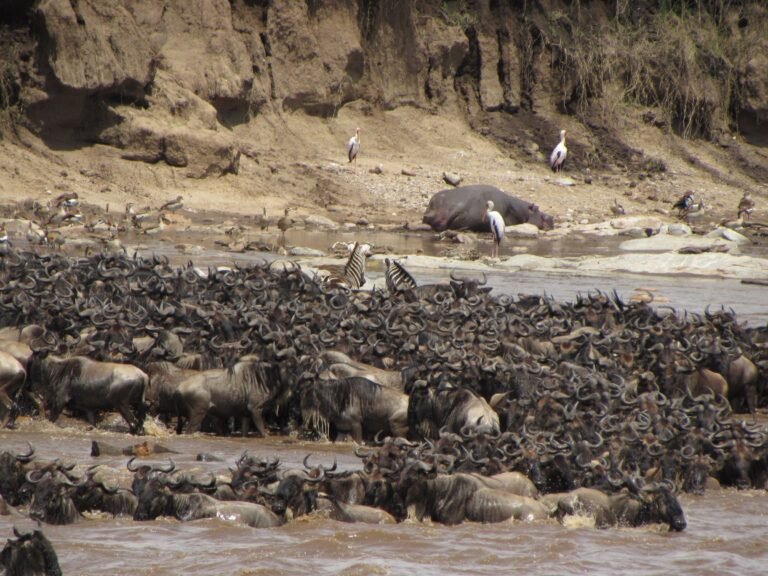
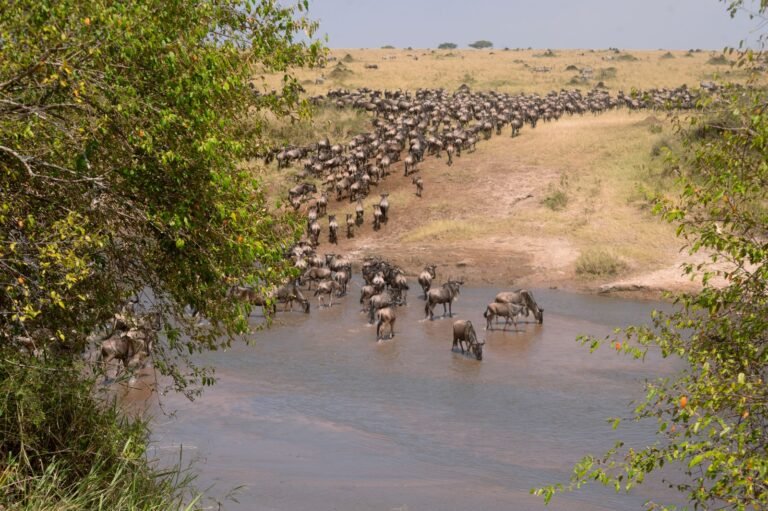
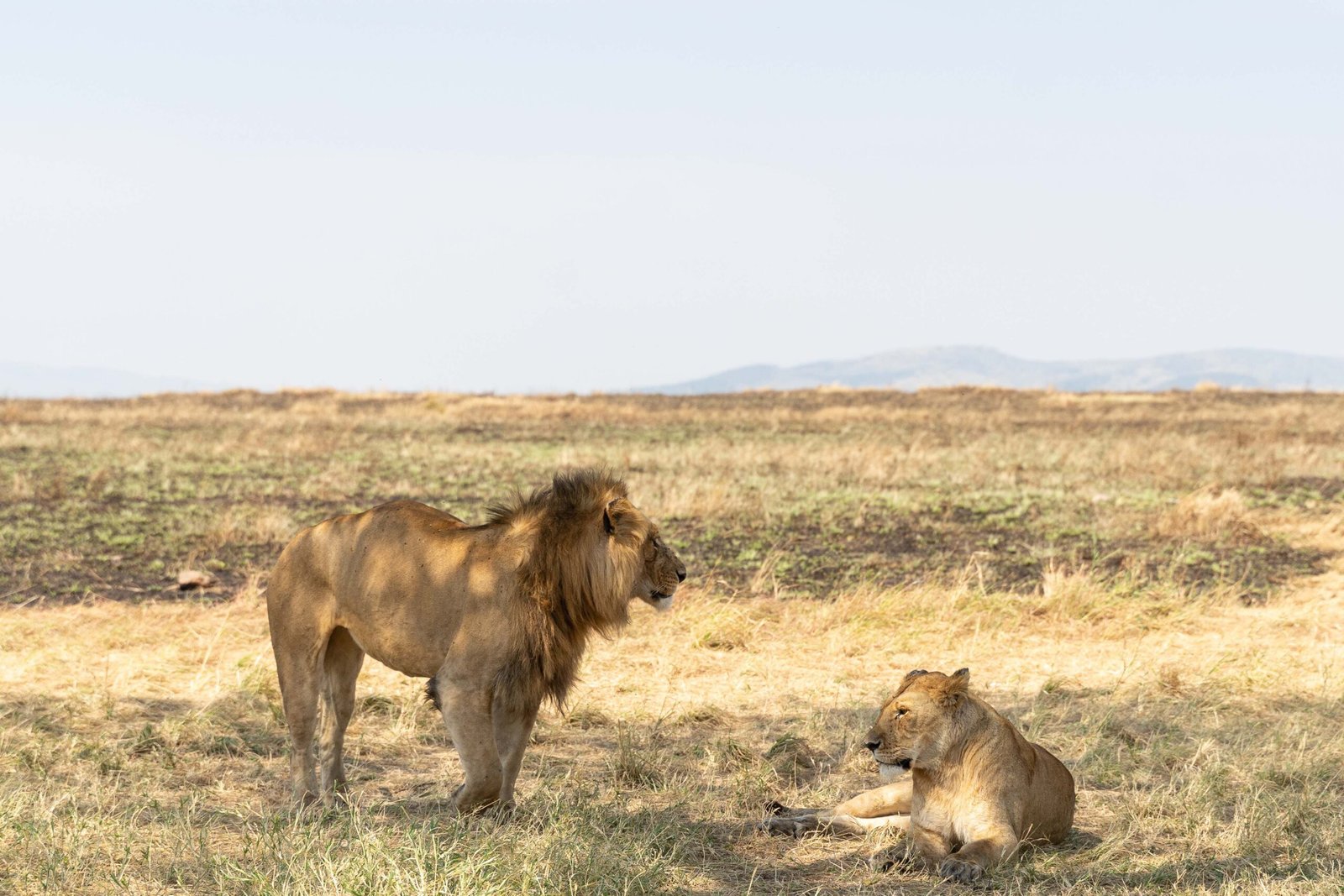
The Serengeti is the park every other park is measured against. The Great Migration — about 1.3 to 1.4 million wildebeest, 200,000 zebra and 300,000 gazelle — is the headline, but the park also holds one of Africa’s highest lion densities and best cheetah viewing. Note the Serengeti is not one safari: the southern plains in February are a different trip from the northern crossings in August.
Best season: June to October for the crossings, January to March for calving. Verdict: first safari, one shot, and you can afford it. Honest downside: rhinos are very rare here, so a full Big Five is unlikely; and in August the famous crossing points can draw well over a hundred vehicles to one bank.
2. Lower Zambezi National Park, Zambia
The biggest mover in the 2026 ranking, up from 15th to 2nd. The park runs along the northern bank of the Zambezi, and the safari happens as much from the water as from a vehicle: canoe safaris past hippo pods, walking safaris, and fishing for tiger fish. Four of the Big Five are here (no rhino), plus leopard in the riverside woodland.
Best season: May to October; canoeing best July to October. Verdict: second safari, or a first safari for travellers who want Africa to feel close rather than curated. Honest downside: it is remote — reaching it means a light-aircraft flight or a long drive, and there is no budget tier.
3. Okavango Delta, Botswana
The Okavango is the one place on this list that feels like nowhere else on Earth. Water from Angola spreads across the Kalahari sand instead of reaching the sea, making a maze of channels, islands and floodplains. You travel by mokoro (dugout canoe) and motorboat as much as by vehicle, at water level among reeds and red lechwe, while lions and wild dogs work the drier islands.
Best season: May to October, when the floodwaters arrive. Verdict: honeymooners and luxury travellers who want water, wilderness and exclusivity in one trip. Honest downside: the price. Fly-in camps and the Delta’s low-density model make this one of the most expensive safaris in Africa — see the cost section below.
4. Sabi Sand Private Game Reserve, South Africa
Sabi Sand shares a fence with Kruger, but the experience is different in the ways that matter. Private land means off-road tracking — when a guide finds a leopard, the vehicle can leave the road and follow it — plus night drives, which national parks do not allow. The result is the most reliable leopard viewing in Africa and close Big Five encounters.
Best season: year-round; May to October is driest. Verdict: travellers who want the Big Five close up, with the least uncertainty, and can pay for it. Honest downside: there is no cheap way in. Even the least expensive Sabi Sand lodges sit in the premium bracket.
5. Ruaha National Park, Tanzania
Ruaha is Tanzania’s largest national park, and it feels it. Vast, remote, and lightly visited, it holds big elephant herds, strong predator numbers and some of Africa’s best wild-dog viewing — with very few other vehicles around.
Best season: June to October. Verdict: second or third safari, for travellers who want space and are happy to trade convenience for it. Honest downside: getting there takes a domestic flight and a pricey camp; this is not a park you drop into on a whim.
6. Moremi Game Reserve, Botswana
Moremi sits on the eastern edge of the Okavango Delta and packs the Delta’s waterways together with dry-land game driving in one reserve. Wildlife density is high, the habitat changes over short distances, and wild-dog sightings here are among the best in Africa.
Best season: May to September. Verdict: travellers who want the Okavango experience with more driving and slightly more choice of camps. Honest downside: like the Delta, it is expensive and fly-in only for most visitors.
7. Chobe National Park, Botswana
Chobe is defined by elephants — more than 120,000 of them, the largest continuous population in Africa. In the dry season the herds gather along the Chobe River in numbers that look impossible, and the boat safaris are the point: from the water you watch elephants swim channels and buffalo drink at the bank. Victoria Falls sits just 80 km away, so Chobe pairs naturally with it.
Best season: April to October. Verdict: first-time safari-goers and photographers who want guaranteed elephant spectacle. Honest downside: the riverfront is the busy part. Stay in the park or visit Savuti, the drier interior, if you want the crowds to thin.
8. Ngorongoro Crater, Tanzania
The world’s largest intact volcanic caldera works like a natural amphitheatre: around 25,000 large animals live permanently on the crater floor, including the densest lion population in Africa and critically endangered black rhino. Nowhere else packs this much wildlife into a single day’s drive.
Best season: year-round; June to October is driest. Verdict: travellers short on time who want maximum wildlife in minimum days — pair it with the Serengeti. Honest downside: the crater floor is small and every vehicle in northern Tanzania wants to be on it. Descend at first light; by mid-morning the sightings are shared with dozens of other vehicles.
9. Masai Mara National Reserve, Kenya
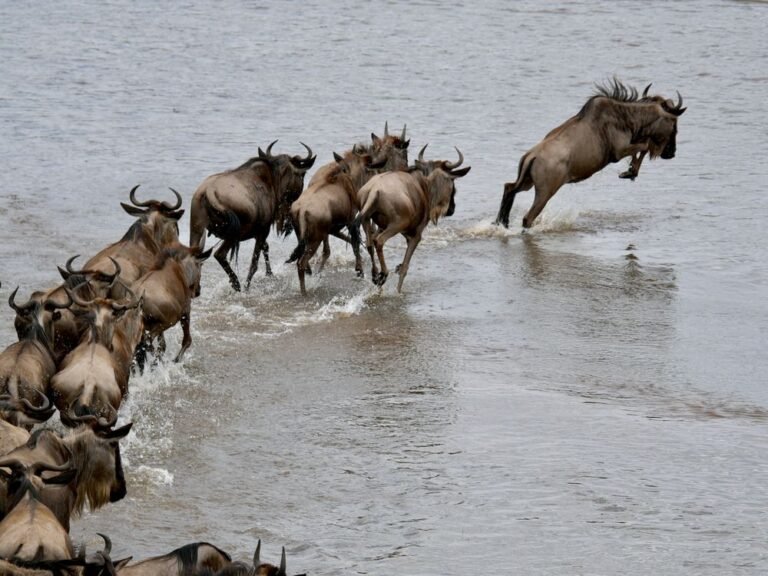
The Mara is the Serengeti’s northern extension, and from July to October it holds the most dramatic wildlife event on the planet: wildebeest plunging into the crocodile-filled Mara River. Outside migration season the resident big cats are still seen almost daily, and the private conservancies around the reserve offer quieter, lower-density viewing with off-road driving and night drives.
Best season: July to October for the crossings; excellent year-round. Verdict: first safari for travellers chasing the classic, high-energy East African experience. Honest downside: the park fee. The Mara charges $200 per adult per day from 1 July 2026 — double the $100 charged from January to June. A family of four pays $800 a day in fees alone in August. Time a trip to late June, or stay in a conservancy, and the maths changes.
10. Kidepo Valley National Park, Uganda
The wild card. Remote, rarely visited, set against rugged mountains in Uganda’s far north-east, Kidepo feels like Africa before tourism took hold. It has four of the Big Five (no rhino), rare species you will not see on the classic circuits, and landscapes that belong on a different continent.
Best season: dry season, December to February and June to September. Verdict: pioneers and repeat safari-goers who want something genuinely different. Honest downside: remoteness is the price. Flights and drives are long, and the park’s infrastructure is thin — plan it as the centrepiece of a trip, not an add-on.
What each park costs
A ranking without prices is a brochure. These are typical per-person-per-night ranges, two sharing, from operator pricing checked November 2026 — indicative bands, not quotes. Comfort camps run $350–$550 a night in the green season (April–May, November) and $450–$750 at peak (July–September, Christmas–New Year); premium $550–$900 green and $750–$1,300 peak; luxury $900–$1,700 green and $1,300–$2,500+ at peak. The Serengeti, Mara and Okavango sit at the top of those bands; Ruaha, Lower Zambezi and Moremi in the middle.
On top of the camp price, the park fees — the mandatory government cost, from published 2026 tariffs. Serengeti: $70 + 18% VAT, about $82.60 per adult per 24 hours. Ngorongoro: the same $82.60. Masai Mara: $200 a day from 1 July 2026 ($100 from January to June). Those fees are per person, per day — on a 7-day trip they add hundreds of dollars before you have slept anywhere.
The parks the ranking misses
Here is the gap in the list above, and it matters more than the order of the top 10. Kruger National Park does not appear in SafariBookings’ top 10 at all — yet it is the park most first-timers should probably pick. It covers close to two million hectares, holds all of the Big Five plus wild dog and more than 500 bird species, and it is the one great African park you can drive yourself: tarred roads, clear signage, and a chain of fenced SANParks rest camps where you sleep, refuel and eat. A self-drive trip runs roughly $80–$150 per person per day, including the conservation fee — R692 per international adult per day from 1 November 2026 (R602 until 31 October 2026) — a bed and fuel. That is a third of the cheapest guided East African safari. Stay more than about six days and an International All-Parks Wild Card (roughly R4,680 for an individual) waives the daily fee and pays for itself.
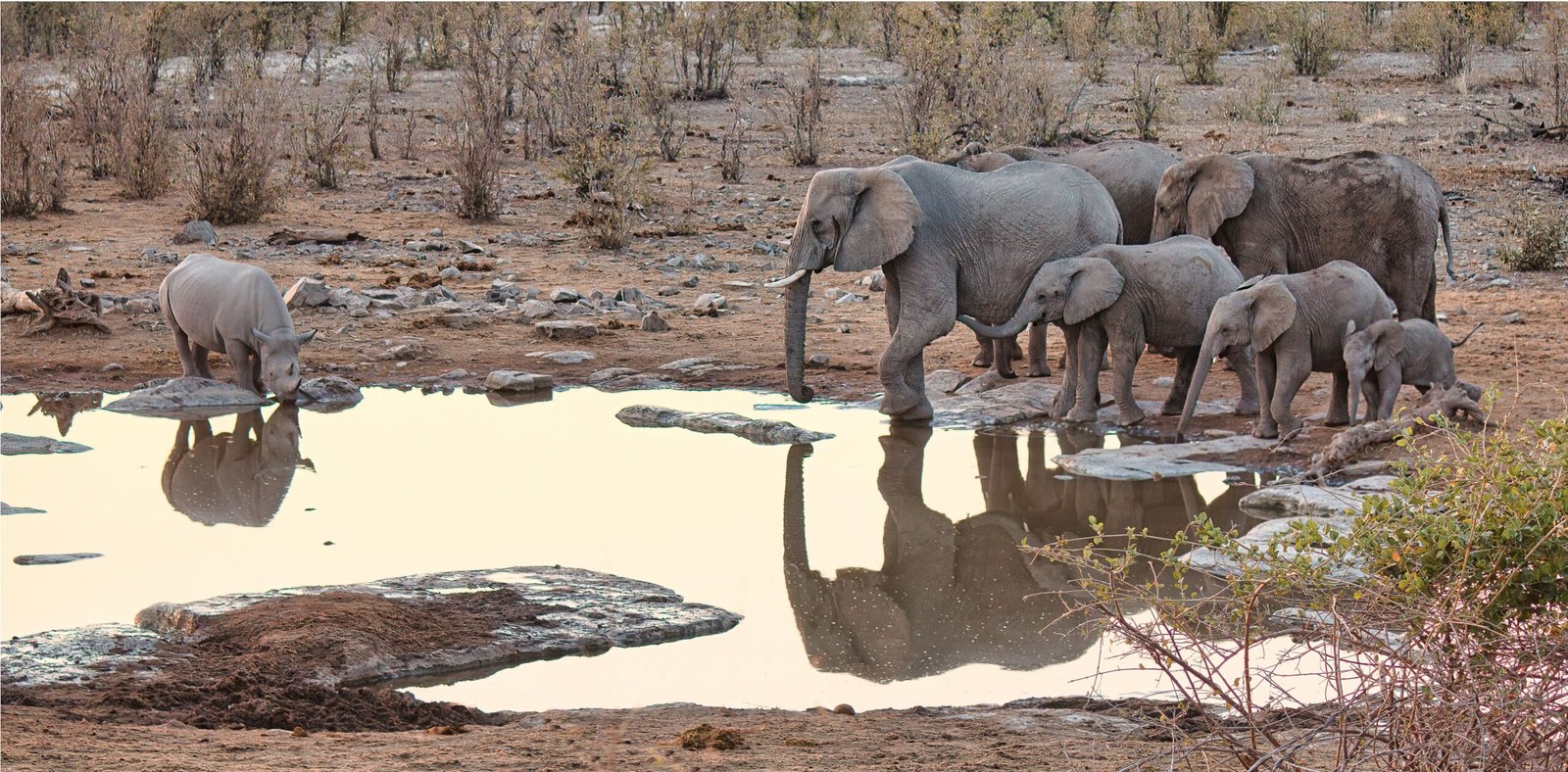
The other names the ranking leaves out are worth knowing too. South Luangwa in Zambia is where walking safaris were invented — the best place in Africa to leave the vehicle and track on foot, with leopard densities that rival Sabi Sand and night drives most East African parks do not allow. Tarangire in Tanzania deserves more than a hurried afternoon: baobabs, huge elephant herds along the river, best from June to October. Amboseli in Kenya gives you the most famous photograph in safari — elephants below Kilimanjaro — though the mountain hides behind cloud by afternoon, so go early. Hwange in Zimbabwe is one of Africa’s great elephant landscapes at a fraction of the Okavango’s price. And Nairobi National Park is the only place you can watch lions and black rhino with a city skyline behind them — no elephants, but the best first-or-last-day safari on the continent. Etosha in Namibia turns the usual safari search inside out: rather than covering ground looking for wildlife, you wait at floodlit waterholes and let elephants, lions and black rhino come to you.
One more exclusion to know about: the survey leaves out parks known mainly for primate tracking, which is why Bwindi in Uganda — home to roughly 460 mountain gorillas, about half of the world’s remaining population — and Volcanoes in Rwanda do not appear. If gorillas are the dream, neither list above helps; they are a separate trip, with permits to book months ahead.
Which park should you pick?
- First safari, one shot, budget flexible: the Serengeti in August, or the Masai Mara — and read our Wildebeest Migration calendar before you choose the month.
- First safari, tight budget: Kruger, self-drive. Same Big Five, a third of the price, and you set your own pace.
- Photographer: the Mara in August for crossings, the Serengeti in February for calving and predator action, or Chobe for elephants at the river.
- Family: Kruger (self-drive, malaria-free options nearby) or Chobe — easy logistics, guaranteed animals, no long flights between camps.
- Honeymoon or special occasion: the Okavango Delta or Sabi Sand — water, luxury and privacy.
- Second safari, want something different: Ruaha, South Luangwa on foot, or Lower Zambezi by canoe.
- Short on days: Ngorongoro plus Tarangire in northern Tanzania, or the Mara with a conservancy.
- Gorillas: Bwindi or Volcanoes — a different trip entirely, booked months ahead.
Pick the traveller first, then the park. The best safari in Africa is the one that matches your budget, your month and your tolerance for crowds — not the one at the top of someone else’s list.
FAQ
What is the best safari park in Africa?
The Serengeti in Tanzania — voted Africa’s best safari park for the sixth year running in SafariBookings’ 2026 ranking (4.86/5 from 2,665 traveller and expert reviews). But the best park for you depends on budget, month and style: Kruger is the best value first safari, the Okavango the best luxury water safari, and Sabi Sand the best for leopards.
Which African safari is best for first-timers?
Kruger National Park for value and independence — self-drive, all of the Big Five, roughly $80–$150 per person per day. Or the Serengeti or Masai Mara for the classic East African experience, if the budget stretches to $350 or more per person per night plus park fees.
What is the cheapest Big Five safari in Africa?
Kruger, by a wide margin. A self-drive trip staying in SANParks rest camps runs roughly $80–$150 per person per day, including the R692 daily conservation fee for international visitors (from 1 November 2026). Guided East African safaris start at about $350 per person per night.
When is the best time to go on safari in Africa?
The dry season, roughly May to October, for most parks: animals gather at water, grass is short, and roads are passable. The exceptions are the Serengeti calving season (January to March) and the Okavango flood (May to October). Avoid the Mara in August if crowds bother you — and note the park fee doubles on 1 July.
Is the Serengeti or the Masai Mara better?
They are one ecosystem split by a border. The Serengeti is bigger, quieter outside peak season, and holds the herds for about ten months of the year. The Mara is smaller and denser, with the most dramatic river crossings from July to October — but it is also more crowded and, from 1 July 2026, charges a $200-a-day park fee.
Which safari park has the most elephants?
Chobe National Park in Botswana — more than 120,000 elephants, the largest continuous population in Africa. The best viewing is along the Chobe River in the dry season, from a boat.
A ranking tells you what other travellers loved. It does not tell you what you will love, what it will cost, or what it will feel like at 6 a.m. on a crowded crater floor. Use the list above to shortlist, then match the park to your budget and your month — and read the park guides before you book: our Serengeti Safari guide and Serengeti Map: Regions, Gates & Migration Routes, Masai Mara Safari and Where Is the Masai Mara Located?, Okavango Delta Safari, Kruger National Park Safari, Chobe National Park and Etosha National Park — plus How Much Does an African Safari Cost?, Africa Safari Tours: How to Pick an Operator, Safari Lodges in Africa: How to Choose and How to Plan a Safari before you pay a deposit.