Jim Corbett National Park: Zones, Safaris & Booking Guide

Jim Corbett National Park is where Indian wildlife conservation began. Established in 1936 as Hailey National Park — India’s first national park — and later renamed after Jim Corbett, it was the launch site of Project Tiger in 1973. Today the Corbett Tiger Reserve holds about 260 tigers, the highest count of any single reserve in India.
Corbett is not one park with one gate. It is eight tourism zones, each with its own entry gate, season and permit. Your permit is valid for one zone only, for one shift.
The zones at a glance
| Zone | Entry gate | Open | Best for |
|---|---|---|---|
| Dhikala | Dhangarhi, 18 km | 15 Nov–15 Jun | Grasslands, elephants, tigers |
| Bijrani | Amdanda, 2 km | 15 Oct–30 Jun | Tigers, first-timers |
| Jhirna | Dhela, 15 km | Year-round | Monsoon trips, sloth bear |
| Dhela | Dhela, 15 km | Year-round | Quiet backup to Bijrani |
| Garjia | Garjiya, 9 km | 15 Oct–30 Jun | Elephants, birds |
| Durgadevi | Durgadevi | 15 Nov–15 Jun | Birding |
| Sonanadi & Pakhro | Kotdwar side | 15 Nov–15 Jun | Quiet forest |
| Sitabani (buffer) | Sitabani | Year-round | Birding, no permit needed |
1. Dhikala — the famous one, with a catch
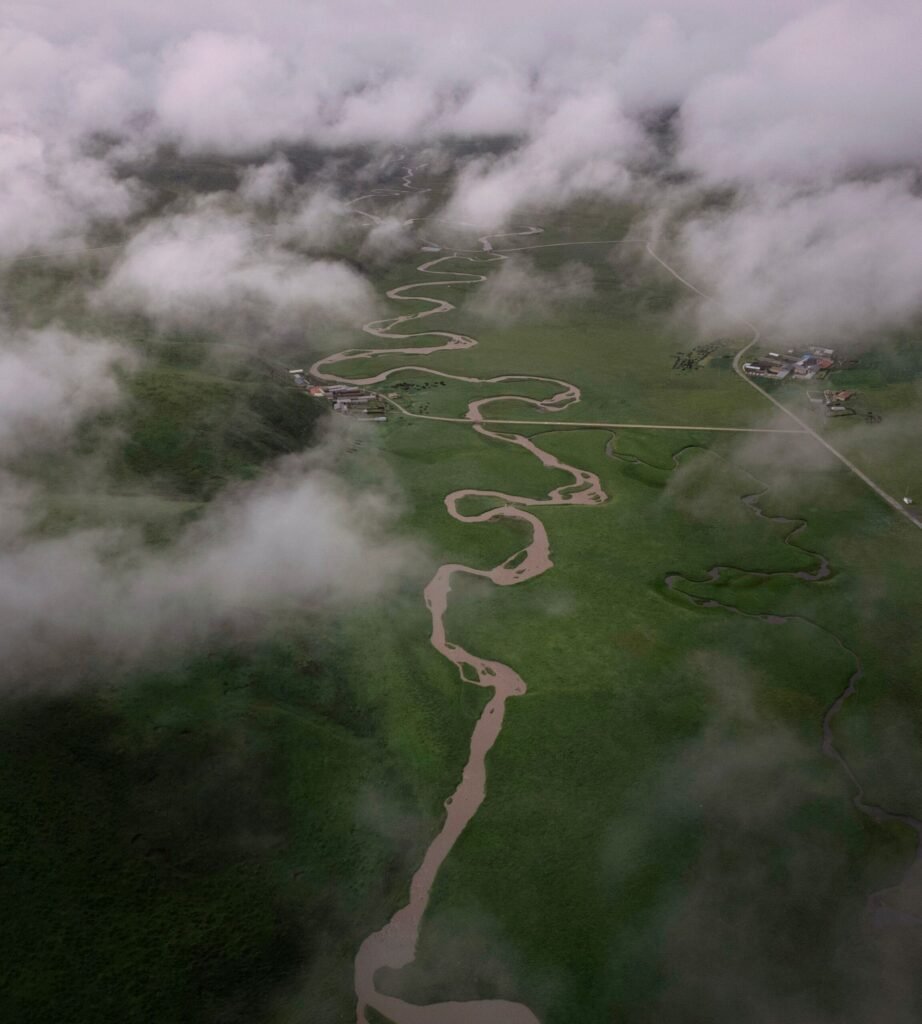
Dhikala is the zone every Corbett guide leads with. Its open grasslands — the chaurs — along the Ramganga river hold the park’s biggest elephant herds, and the wide sightlines give you the best chance of actually seeing a tiger. The forest rest house here dates from the 1890s and hosted the launch of Project Tiger.
Here is the catch most guides bury: day visitors cannot take a jeep into Dhikala. You get in two ways only — on the shared 16-seat canter bus, or by booking a night at the Dhikala forest rest house, the single hardest reservation in Indian wildlife tourism.
Verdict: want Dhikala? Book the canter the moment your window opens — and if you can get a rest-house night, take it.
2. Bijrani — the best first safari in Corbett
Bijrani is the zone to book if you only get one safari. It mixes dense sal forest with open meadows, sits 2 km from Ramnagar at the Amdanda gate, and has the most consistent tiger sightings of any day-safari zone. It opens 15 October and closes 30 June. Because it is the easiest zone to reach, it also sells out first on weekends and holidays — book the day your window opens, not the week you travel.
Verdict: first trip to Corbett? Book Bijrani.
3. Jhirna and Dhela — the year-round pair
Jhirna and Dhela sit on the park’s southern edge, entered through the Dhela gate about 15 km from Ramnagar, and both stay open all year — the only core zones that do. That makes them the default choice in the monsoon months of July to October, when Dhikala, Bijrani and Durgadevi are closed. Jhirna is drier and scrubbier, good for sloth bear and leopard. Dhela is the newest zone, opened in December 2014, with mixed forest and grassland and noticeably fewer vehicles than Bijrani.
Verdict: travelling July to October? Jhirna is your zone. Travelling any other month and Bijrani is full? Book Dhela — same gate, quieter forest.
What it costs — the real totals
A jeep safari has three parts — permit, guide fee and Gypsy hire — at the official tariff lines reported in November 2026:
| Safari | Indian nationals | Foreign nationals |
|---|---|---|
| Jeep, full vehicle up to 6 people | ₹6,980–₹7,280 per jeep | ₹10,280–₹10,580 per jeep |
| Canter seat, Dhikala only | ₹1,500 + 18% GST (about ₹1,770) | ₹3,000 + 18% GST (about ₹3,540) |
| Forest rest house room, per night | ₹3,500–₹5,050 | ₹10,450 |
The permit itself is ₹3,380 for Indian nationals and ₹6,680 for foreign nationals; the guide is ₹900–₹1,000 and the Gypsy hire ₹2,700–₹3,000 depending on the zone. Agents typically add about ₹500–₹2,000 per jeep on top, so booking direct is worth the effort. Confirm the final figure on the booking page before you pay — tariffs change.
How booking actually works
Book only on the official Corbett Tiger Reserve portal, corbettgov.org. Permits open 45 days ahead for Indian nationals and 90 days ahead for foreign nationals, and the popular zones sell out fast — Dhikala and Bijrani dates for Christmas, Holi and May weekends go first, so book the day your window opens. Foreign nationals need passport details at booking. Carry the ID that matches the permit — names are checked at the gate.
One rule surprises many visitors: mobile phones have been banned on Corbett safaris since 5 February 2026 and must be deposited at the gate. Bring a real camera if you want photos. Private vehicles are not allowed into the core zones — only registered safari jeeps with a guide. Elephant safaris restarted in November 2025 in Dhikala and Bijrani only, with just three elephants.
The best time to visit Jim Corbett
The park season runs mid-October to June. November to February is cooler and misty, with tall grass that hides animals — beautiful, but harder for sightings. March to May gives the best tiger odds: the grass is shorter, water is scarcer so animals gather at the remaining pools, and the heat pushes tigers to the riverbanks. July to October is monsoon; only Jhirna and Dhela stay open, and roads can close at short notice after heavy rain. Allow two to three days — one safari is a lottery ticket, three is a real chance.
Getting there from Delhi
Every route ends in Ramnagar, the gateway town on the park’s southern edge. From Delhi it is about 250–260 km, a 6 to 7 hour drive on NH9 via Moradabad and Kashipur — leave by 6 am to beat the Ghaziabad traffic. The overnight Ranikhet Express (15013) is the better option for most people: it leaves Delhi in the evening and reaches Ramnagar at about 4:15 am. Book your ticket to Ramnagar (RMR), not Kathgodam — the trains split at Moradabad. The nearest airport is Pantnagar, about 80 km away, but it has only a few flights.
Where to stay
Staying inside the park means a government forest rest house — Dhikala is the famous one, basic but unforgettable, and the hardest booking in the park. Most visitors stay outside: the Dhikuli–Garjia belt has the luxury and riverside resorts along the Kosi river; Ramnagar town has budget hotels near Bijrani and the station; the Dhela side and Kaladhungi have quieter jungle resorts. Match your stay to your gate — a resort on the wrong side of Ramnagar adds an hour to a 5 am start.
The honest downside
Three things. First, 260 tigers does not mean you will see one. They are spread across 1,288 square kilometres of dense sal forest, and in winter the grass stands tall enough to hide an elephant. Second, the booking system rewards planners and punishes everyone else — turn up without a permit in peak season and there is nothing to buy at the gate. Third, a jeep costs the same for two people as for six, so a couple pays roughly ₹3,500 each while a full jeep pays about ₹1,200 each.
The alternative most guides skip
Almost every Corbett guide points you at the same two zones: Dhikala or Bijrani. The alternative they skip is Sitabani, the buffer zone. No permit is needed, private vehicles are allowed, and it is open year-round — the only part of Corbett you can visit on a whim. It is birding country rather than tiger country, so do not go expecting a big cat. But if Bijrani is sold out and you still want a morning in the forest with hornbills and the Kosi river beside you, Sitabani is the better trip than no trip at all.
Which zone is best for a Jim Corbett safari?
Bijrani for a first day safari — closest to Ramnagar, most consistent tiger sightings. Dhikala for grasslands and elephants, but only by canter or with a rest-house stay. Jhirna or Dhela in the monsoon.
How much does a Jim Corbett safari cost?
A private jeep for up to six costs about ₹6,980–₹7,280 for Indians and ₹10,280–₹10,580 for foreign nationals (checked November 2026). A Dhikala canter seat is about ₹1,770 for Indians and ₹3,540 for foreign nationals, GST included.
How do I book a Jim Corbett safari permit?
Book only on the official portal, corbettgov.org. Permits open 45 days ahead for Indian nationals and 90 days ahead for foreign nationals. Book the day your window opens for Dhikala and Bijrani.
Can I take a jeep into Dhikala on a day visit?
No. Day visitors can enter Dhikala only on the shared 16-seat canter. A jeep safari there needs a night stay at the Dhikala forest rest house.
What is the best time to visit Jim Corbett National Park?
November to June; March to May gives the best tiger sightings. November to February is cooler and misty. July to October is monsoon — only Jhirna and Dhela stay open.
How do I get to Jim Corbett from Delhi?
Drive to Ramnagar (250–260 km, 6–7 hours) or take the overnight Ranikhet Express, reaching Ramnagar at about 4:15 am. Nearest airport: Pantnagar, about 80 km away.
Jim Corbett rewards the traveller who books early and picks a zone for a reason, not a name. Bijrani for your first safari, Dhikala by canter if you can get a seat, Jhirna or Dhela when the rains come — and Sitabani when the permits are gone. For the wider tiger picture, read our Tiger Safari in India and Ranthambore Safari guides, and our India Tiger Safari hub.