Safari Outfit Ideas: What to Wear (and What to Avoid)

The classic safari outfit — khaki shirt, wide-brim hat, binoculars around the neck — looks right because it is right. But the outfit is not a costume. It is a small system for dealing with three things: cold mornings, hot middays, and dust everywhere in between. Get the system right and you stop thinking about your clothes entirely, which is the whole point. You are there to watch animals, not to manage a wardrobe.
This guide covers the African bush safari first, then the desert safari, because the two trips share a colour palette but not the same rules. If you only read one section, read the colours.
The one rule: dress for the vehicle, not the postcard
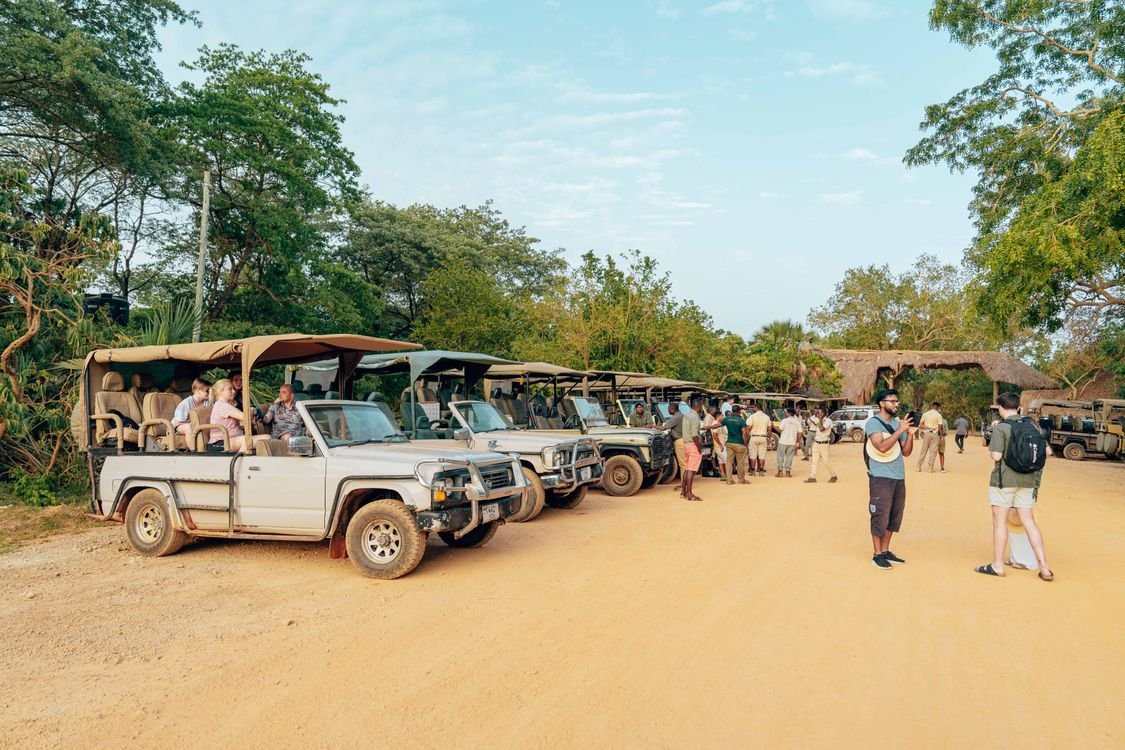
A game drive day has three climates in it. That is how a lodge manager at Lion Sands in South Africa puts it, and every guide in the sources agrees: cold before sunrise, hot by midday, cool again after sunset. In the southern African winter months (June to August), pre-dawn temperatures in an open vehicle in Botswana, Zambia and South Africa can fall to 3–8°C. By 10 a.m. you will be in a T-shirt. By 4 p.m. you will want the warm layer back.
So the rule is layers you can peel off and stuff into a small bag — a thin moisture-wicking base layer, a lightweight long-sleeved shirt over it, and a warm mid-layer (fleece or lightweight down jacket) that packs small. Add a windproof shell if you are going somewhere high or wet. That is the whole system. Everything else in this guide is detail.
Colours: what works, and what to avoid
Wear neutral, earthy colours: khaki, olive, beige, tan, stone, dusty brown, soft grey. They blend into the bush, they do not show dust, and animals notice you less. That is the easy half.
The avoid list has real reasons behind it, and they are worth knowing, because they are the difference between a rule and a superstition:
Dark blue and black. Tsetse flies are strongly attracted to dark colours, especially dark blue and black. They are present in Tarangire National Park, Lake Manyara, parts of the Serengeti and much of the surrounding bush. Their bite stings. This rule applies to shirts, trousers, jackets, hats and bags — not just the top layer.
Bright white and vivid colours. White stands out to wildlife, shows dust the instant you sit down, and overexposes badly in bright sunlight photographs. Bright reds, oranges and neons make you conspicuous, and on a walking safari they can unsettle animals.
Camouflage. Do not pack it. Camouflage clothing is illegal or restricted for civilians in several African countries — including Tanzania, Zimbabwe, Zambia and Botswana — where it is reserved for the military. Confiscation at the airport does happen. There is no safari where camouflage helps you, and several where it gets you stopped.
Fabrics: function over fashion
The best safari fabrics are lightweight, quick-drying, breathable, and ideally UPF-rated for sun protection. Merino wool is the premium choice for base layers: it regulates temperature, resists odour even after several days of wear, and is comfortable against the skin. Synthetic technical fabrics (nylon and polyester travel blends) are excellent for shirts and trousers — they dry faster than cotton after washing and are lighter to pack.
Avoid heavy cotton, which holds sweat, stays wet, and cools you down when you least want it. Avoid heavy denim: it is hot, slow to dry, and stiff after a dusty game drive. A long-sleeved shirt with a collar and roll-up sleeves is the most versatile single item you can pack — sun protection and insect defence in the day, sleeves down at dusk when the mosquitoes come out.
The capsule: what to pack for a week
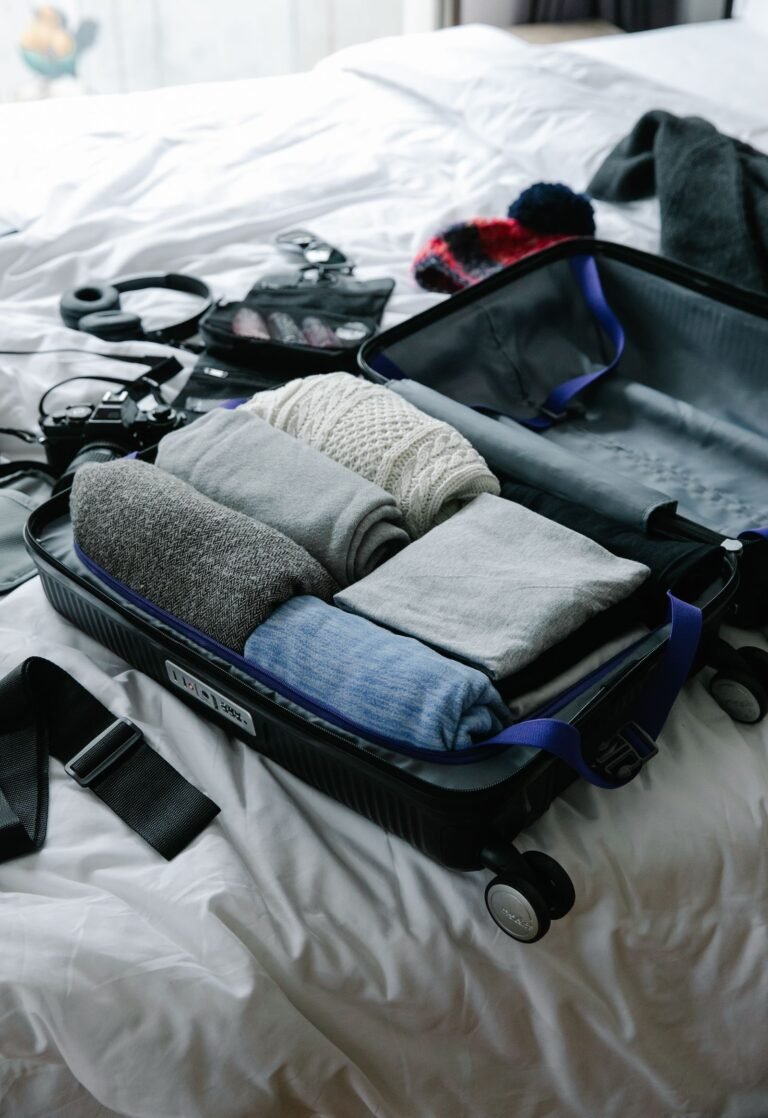
Here is the honest count, and it is smaller than the shopping lists suggest. Most lodges and camps offer laundry — frequently same-day — so three or four outfits you re-wear is plenty even for a two-week trip. Nobody at camp is judging your outfit.
- 3–4 lightweight long-sleeved shirts in neutral colours, at least two with collars
- 2–3 short-sleeved shirts or T-shirts for hot afternoons
- 2–3 pairs of lightweight trousers, ideally convertible zip-off styles — with one warning, below
- 1 fleece or lightweight down jacket that compresses into a stuff sack
- 1 windproof, packable rain shell
- 1–2 base layers (merino or synthetic) for cold mornings
- Underwear and socks in quick-drying fabrics; pack a little travel wash, because some camps do not wash underwear for cultural reasons
- Sleepwear and one smarter outfit for dinner at camp — one, not three
That fits in a soft duffel of about 60–80 litres. And the duffel matters: light aircraft transfers between camps typically allow 15 kg total, including hand luggage, in a soft-sided bag. Hard-shell suitcases will not fit in the hold and get refused. Weigh your bag at home.
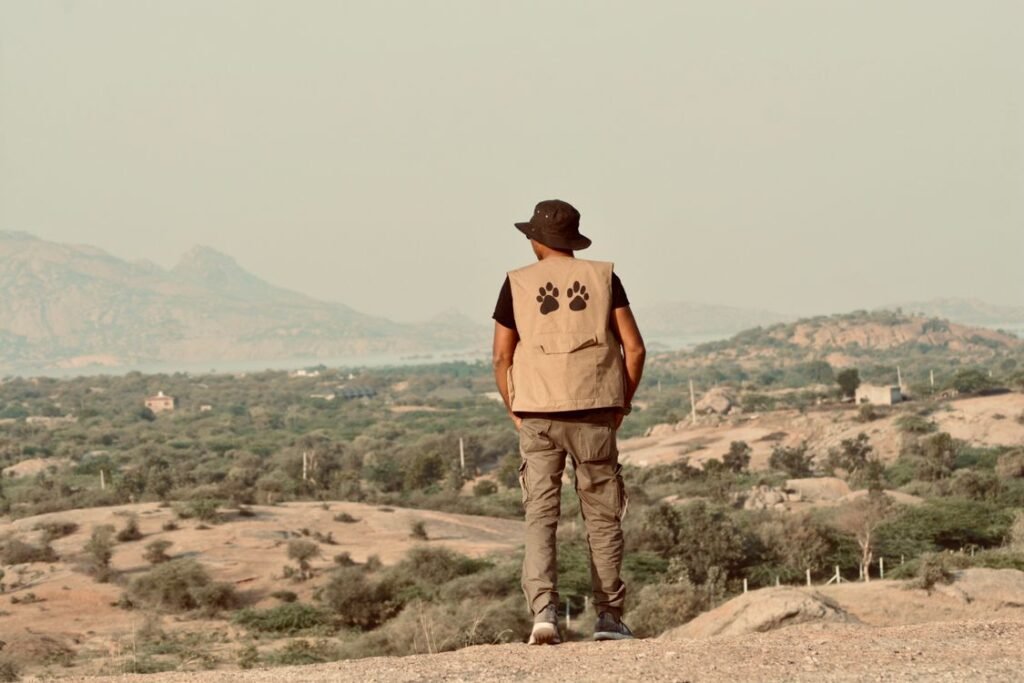
Footwear: the one rule that ruins trips
For a vehicle-based safari, comfortable closed-toe shoes or trainers are fine. For walking safaris, wear broken-in hiking boots or trail shoes. The operative word is broken-in. A first-day blister ruins the other six days, and it is the most common self-inflicted injury on safari. Never pack new boots for a safari. Wear the heaviest shoes onto the plane to save weight in the bag.
Sandals have one place: around camp in the evening, and on a desert safari (see below). On a game drive or a walk, closed shoes keep out thorns, dust and insects.
The accessories that actually matter
A wide-brim hat with a chin strap — the wind in an open vehicle takes unsecured hats — plus sunglasses and sunscreen. A scarf or buff does triple duty: sun protection, dust mask on a dirt road, and an extra layer around your neck at dawn. Binoculars matter more than an extra shirt. And a small day pack for the vehicle holds the layer you peeled off, water, insect repellent, lip balm and your camera.
One practical trick from the guides: keep one pair of socks sealed and dry no matter what the day does, and keep one full change of clothes in your carry-on. That covers the 24–48 hours a delayed bag typically takes to catch up with you.
What not to wear — and what to leave at home
The short version: anything you would worry about in dust, rain and bumpy roads. High heels and formal wear — safari is casual everywhere. Excess jewellery and valuables. Heavy boots unless you are trekking. A hairdryer. Single-use plastic bags, which are banned in Kenya, Tanzania and Rwanda. Drones, which are banned in most national parks without special permits.
And one item deserves its own warning: zip-off trousers. They are genuinely useful — but converting them from trousers to shorts inside a moving, enclosed vehicle is awkward, and there are no changing rooms on safari. If you buy them, practise the conversion at home, or just pack one pair of shorts separately.
Desert safari vs African safari: the outfit split
This is the part the other guides skip, and it matters for this site’s readers, because many of you will do both.
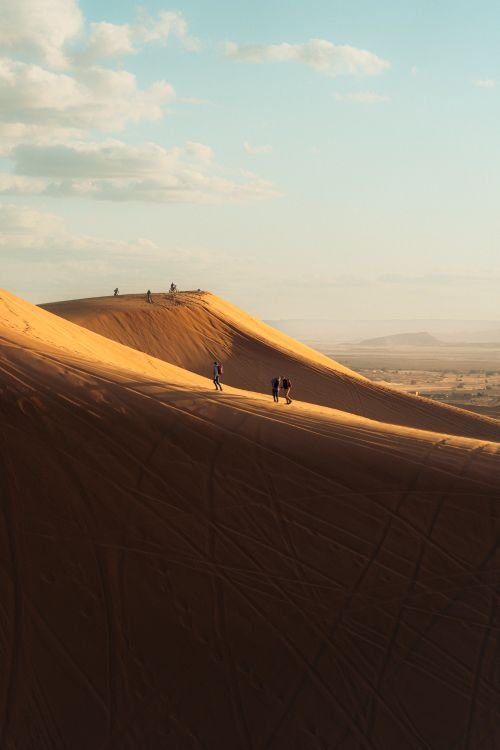
On a Dubai evening desert safari, the rules loosen. There are no tsetse flies and no camouflage law. Loose, light cotton or linen works well, long trousers rather than shorts, and closed shoes — sandals fill with hot sand and heels sink (see our What to Wear for a Desert Safari in Dubai guide). The cold you dress for comes after sunset, not before sunrise: a light jacket or shawl for the camp evening is enough. Neutral colours still help — you blend into the dunes in photographs instead of clashing with them — but nobody is going to stop you for a bright shirt. For the full packing picture, see our Desert Safari Packing List.
On an African bush safari, every rule above applies in full: tsetse country, camouflage law, 3–8°C dawns, 15 kg fly-in limits, and dust that gets into everything. Dress for the bush, not the beach.
The honest downside
Two things, said plainly. First, the outfit that photographs best is the outfit that fails fastest. A white linen shirt and cream trousers look wonderful in the golden-hour photo at camp. An hour into a dirt road, the shirt is red-brown at the cuffs and collar, and it will not wash clean in camp laundry. If the photographs matter to you, wear the white shirt for the sundowner at camp and change before the morning drive — or accept the dust as part of the picture.
Second, the morning cold is worse than you expect, and it is the item most people underpack. The fleece is the single most commonly forgotten or under-weighted item in every guide’s list. A substantial fleece or lightweight down jacket is essential for game drives in the African winter months — and even in summer, the first two hours of a dawn drive in an open vehicle at speed are a fleece-and-beanie proposition. Pack the warm layer even if the forecast says 30°C. The forecast is for midday.
The skipped alternative: buy almost nothing
Most safari outfit guides read like shopping lists. Here is the verdict, plainly: start in your own closet. If you already own neutral-coloured, comfortable clothes — a couple of long-sleeved shirts, lightweight trousers, a fleece, closed shoes you have walked in — you already own a safari outfit. The guides that say otherwise are usually selling clothes.
Only three things are worth buying if you do not already own them: a proper wide-brim hat with a chin strap, broken-in walking shoes if you are doing a walking safari, and a packable fleece if you own nothing warm that compresses small. Everything else is a nice-to-have, not a need.
And if you do arrive missing one item, you do not need to have bought it at home. Safari lodges sell hats, fleeces and insect repellent in their shops, and outfitters in Nairobi, Arusha, Cape Town and Johannesburg stock proper safari clothing at local prices. Buying the one missing piece there beats buying a whole new wardrobe before you fly — and it is the option almost no packing guide mentions, because it does not sell anything.
Who should buy what
- First safari, vehicle-based, one week: buy nothing except a hat if you lack one. Pack 3–4 neutral sets from your closet, a fleece, and closed shoes you trust.
- Walking safari or multi-park trip: add broken-in boots and merino base layers. These are the two purchases that change comfort, not appearance.
- Desert safari in Dubai only: loose cotton or linen, long trousers, closed shoes, and a light layer for after sunset. No special shopping at all.
- Photography-focused trip: bring the white shirt for camp evenings if you like — but pack it separately from your drive clothes, and expect dust.
FAQ
What colours should I wear on a safari?
Neutral, earthy colours: khaki, olive, beige, tan, stone and soft grey. Avoid black and dark blue — tsetse flies are drawn to dark colours — and bright colours and white, which stand out to wildlife and show dust immediately. Never wear camouflage: it is restricted in several African countries.
What should I wear on a morning game drive?
Layers. A thin moisture-wicking base layer, a lightweight long-sleeved shirt, and a warm fleece or lightweight down jacket you can peel off by 10 a.m. Add a wide-brim hat with a chin strap, sunglasses and sunscreen. Pre-dawn temperatures in an open vehicle can fall to 3–8°C in the southern African winter.
How many outfits do I need for a week-long safari?
Three or four sets is enough for a week, and even for two weeks: most lodges offer same-day laundry. Pack in a soft duffel of 60–80 litres — light aircraft transfers between camps typically allow 15 kg total including hand luggage, and hard cases are refused.
What should I not wear on a safari?
Dark blue or black (tsetse flies), bright white or neon colours (visible to wildlife, shows dust), camouflage (illegal or restricted for civilians in Tanzania, Zimbabwe, Zambia and Botswana), heavy denim, new boots, high heels, formal wear and excess jewellery.
Is a safari outfit different for a desert safari in Dubai?
Yes. On a Dubai evening desert safari there are no tsetse flies and no camouflage law, so loose cotton or linen, long trousers and closed shoes work well, with a light layer for after sunset. See our What to Wear for a Desert Safari in Dubai guide and our Desert Safari Packing List.
Do I need to buy special safari clothing?
Usually not. If you already own neutral-coloured shirts, lightweight trousers, a fleece and comfortable closed shoes, you already own a safari outfit. The only items worth buying are a wide-brim hat with a chin strap, broken-in walking shoes for a walking safari, and a packable fleece if you own nothing warm that compresses small.
A safari outfit is not a look. It is layers for a 3°C dawn, neutral colours for animals that notice movement, and a bag that weighs under 15 kg. Start in your closet, buy only the hat, the boots and the fleece if you truly lack them, and spend the money you saved on an extra night in the bush. For the full packing picture, read our What to Pack for a Safari guide and our How to Plan a Safari guide — and check the cost tiers in our African Safari Cost guide before you compare operators.