
Kruger National Park Safari: Fees, Self-Drive & Honest Guide

Kruger is the safari most first-timers should start with — and the one most guides describe badly. They list the gates and the fees and stop there. The real question is not where Kruger is. It is which version of Kruger to buy: a self-drive trip you run yourself, a guided day trip from a town outside the fence, or a private reserve lodge where the price is ten times higher and the game comes to you.
This guide answers that question with numbers: fees from the SANParks tariff, camp prices from operator pages, and a first-timer route that works — checked November 2026.
Where is Kruger National Park?
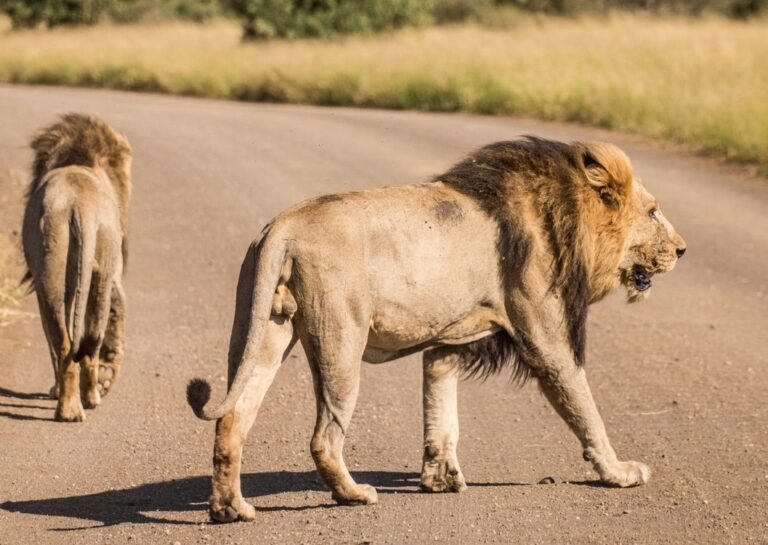
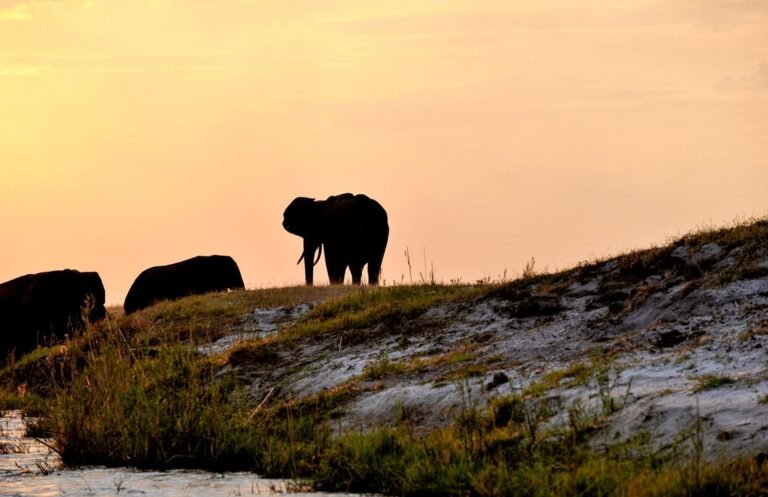
Kruger sits in north-eastern South Africa, along the Mozambique border, running from the Crocodile River in the south to the Limpopo River in the north. It is roughly 19,623 square kilometres — about 360 kilometres north to south — one of the largest game reserves in Africa. Kruger National Park (kruger-nationalpark.org) puts the wildlife at around 17,000 elephants and 1,500 lions, among the Big Five and hundreds of other species.
Getting there is straightforward. The southern gates are 428–475 km from Johannesburg, a 4.5–5.5 hour drive. Or fly: Skukuza has an airstrip inside the park, and Kruger Mpumalanga, Hoedspruit and Phalaborwa airports all sit just outside the fence. There are nine entrance gates, and which one you use decides which region you start in — which matters more than most first-timers realise.
Which gate, which region: south, central or north
Kruger divides into three regions, and they are not interchangeable.
The south is where the game is densest and where most visitors go. Skukuza, the park’s main camp, and Lower Sabie, on the Sabie River, sit here, and the H4-1 road between them — 45 km along the river — is the road one local guide calls the best for first-timers. The trade-off is company: the south is busy, sightings draw traffic, and the camps book out first.
The centre is Satara country — open grassland, big lion prides, and the classic safari postcard. Fewer people than the south, still plenty of game.
The north is the quiet one: mopane woodland, baobabs, serious birding, and long stretches of road with no other car. The game is thinner and more spread out, so it rewards patience rather than ticking off the Big Five. For a first trip, stay south and central; the north is the better choice on a second visit, or if you are a birder who would rather have an empty road than a crowded lion sighting.
Self-drive vs guided day trip vs private reserve: the costed decision
This is the decision that sets your budget, and the three options sit at very different prices.
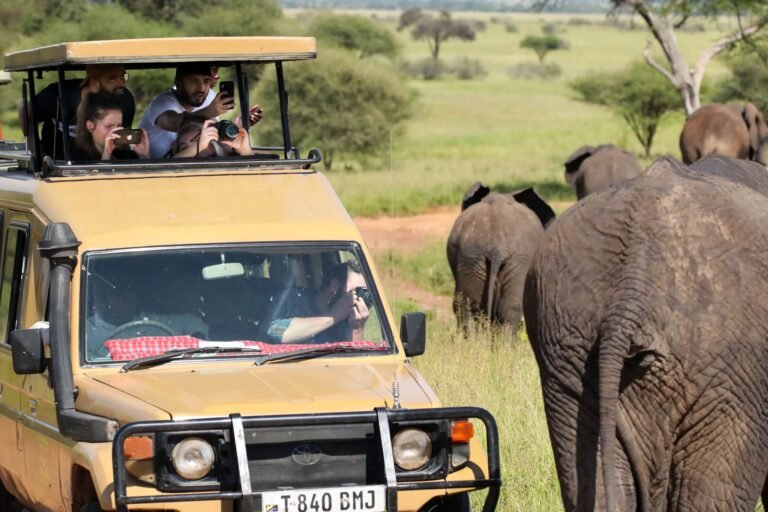
Self-drive is Kruger’s default model and its great advantage. The roads are tar or good gravel, a normal hire car is fine, and you sleep in fenced SANParks rest camps. You pay the daily conservation fee (below), your camp bed, your fuel and your food — and nothing for a guide, because you are the guide. The honest downside: you do your own spotting. Beginners drive past animals an experienced guide would have found, and at a busy sighting you are one of many cars working out where to stop.
A guided full-day trip from Hoedspruit is the middle option. One operator’s own rate, checked 5 October 2026, starts at R1,560 per adult and R1,080 per child for a full day, with a private vehicle and guide at R10,995 for up to four people — park fees extra. You get a guide’s eyes and a vehicle built for viewing, and you sleep outside the park. It suits travellers without a car, or anyone who wants one proper game drive without running a whole trip.
A private reserve lodge — Sabi Sand, Timbavati, Klaserie, Manyeleti — shares an unfenced border with Kruger, so the same animals cross freely. The difference is the experience: off-road driving, no other vehicles at a sighting, a guide and tracker, everything included. The price cliff is the story: SafariBookings puts South Africa averages at $250 a day for budget, $275 mid-range and $450 top-end per person per day, while luxury-plus private lodges run $1,100 or more per person per day — roughly four to ten times a self-drive day.
Our verdict: self-drive if you have a car and four or more nights — it is the cheapest real safari in Africa and the freedom is the point. Take the guided day trip if you have one day and no car. Book the private reserve only if the budget is genuinely there and a crowd-free sighting is what you are paying for; do not stretch for it and then cut the trip short to afford it.
Kruger National Park fees, exactly
Fees are the part of Kruger that changes on a fixed date, and that date catches people out. SANParks sets a new tariff every 1 November. If your trip crosses 1 November, the days after it cost the new rate.
Daily conservation fee, 1 November 2025 to 31 October 2026 (SANParks tariff, as cited by hoedspruit.co.za, kruger-nationalpark.org and lekkeslaap.co.za): international visitors R602 per adult per day, R300 per child; SADC nationals R275 per adult, R137 per child; South African citizens and residents R134 per adult, R67 per child. From 1 November 2026 the international adult fee rises to R692 (visitthekrugerpark.com, citing the SANParks 2026/27 tariff).
Two more numbers to budget. Day visitors who book online in advance pay a booking fee of about R53 per adult and R26 per child, non-refundable (kruger-nationalpark.org) — worth paying, because the popular southern gates cap day-visitor numbers and turn people away at busy times. And the Wild Card, SANParks’ annual pass, costs R4,680 for an individual, R7,310 for a couple and R8,745 for a family on the 2025/26 international All Parks rate — it pays for itself at eight days in the park for a single adult at the 2025/26 fee.
One fee we are not publishing: whether Kruger charges a vehicle fee. Two sources directly contradict each other, and neither is SANParks itself. Check sanparks.org before you travel rather than trusting either figure.
Kruger rest camps compared
You sleep inside the fence in SANParks rest camps — fenced, with shops, restaurants and fuel at the big ones. Five are worth knowing by name.
Skukuza is the park’s capital: the biggest camp, the most facilities, the airport, and the busiest. Lower Sabie sits on the Sabie River with the best game-viewing deck in the park — a bungalow here runs roughly R1,800–3,000 a night for two (next-stop-anywhere.com, which advises checking SANParks for current rates) — and the H4-1 road starts at its gate. Satara is the central lion camp: open country, big cats, simpler facilities. Berg-en-Dal, near the Malelane Gate, is the quiet family pick, with rhino country around it. Olifants, high above the Olifants River, has the best view in Kruger and the fewest crowds of the five.
Book camps months ahead for the dry season. The popular southern camps sell out first, and there is no walk-in guarantee — a camp with no bed means a drive back out of the gate at closing time.

A first-timer’s 4–5 night route
If this is your first Kruger trip and you have four or five nights, keep it simple: two camps, one move, all in the south and centre.
Nights 1–2: Lower Sabie. Fly into Skukuza or drive in at Malelane Gate, and base yourself on the Sabie River. Drive the H4-1 slowly, morning and late afternoon, and spend an evening on the camp deck watching the river.
Nights 3–5: Satara. Move north up the H1-3, stopping at Tshokwane for lunch — the classic halfway picnic spot — and spend the rest of the trip in lion country, with day drives north toward Olifants and south back down the H1-4.
This route skips the north deliberately. First-timers who try to cover the whole park in five days spend the trip driving and see less, not more. The north is still there for the second visit — and it is the option most guides skip, which is exactly why it is worth knowing about: empty roads, baobabs, and birding you will not get in the crowded south.
Gate times, rules and malaria — briefly
Gate times are seasonal: gates open at 05:30 in summer and 06:00 in winter, and camp gates close between 17:30 and 18:30 depending on the season. Plan around closing time — being late means a fine at best and a night outside the fence at worst, because the gates do not wait.
The rules are short and strict: stay in your car outside camps, keep to the speed limits (50 km/h on tar, 40 on gravel), and never feed animals. Kruger is a malaria area, with the risk lower in the south — take advice from the South African Department of Health or the CDC before you travel, and take it seriously rather than treating it as a footnote.
What a Kruger trip costs in total
A worked self-drive budget for two adults, five nights in the south and centre, at 2025/26 rates: conservation fees R602 × 2 × 5 = R6,020; a Lower Sabie-style bungalow at roughly R1,800–3,000 a night for two, five nights = R9,000–15,000; a hire car and fuel for the Johannesburg return, roughly R4,000–6,000; food and supplies, roughly R3,000–4,500. Total: roughly R22,000–31,500 for two people, before flights. The guided day trip from Hoedspruit (R1,560 per adult, fees extra) and the private lodge ($1,100+ per person per day) sit above that for a reason: you are paying for someone else’s eyes, or for the reserve to yourself.
The honest summary: Kruger is the cheapest Big Five safari in Africa if you drive yourself, and the price rises steeply with every layer of service you add. The park does not punish the budget traveller — the south’s game is the same game the lodge guests see, just with more cars around it.
FAQ
Where is Kruger National Park?
In north-eastern South Africa, along the Mozambique border, from the Crocodile River in the south to the Limpopo River in the north. It covers roughly 19,623 square kilometres and runs about 360 kilometres north to south. The southern gates are 428–475 km from Johannesburg, a 4.5–5.5 hour drive, or fly into Skukuza (inside the park), Kruger Mpumalanga, Hoedspruit or Phalaborwa.
How much is the Kruger Park entrance fee in 2026?
The daily conservation fee for international visitors is R602 per adult and R300 per child from 1 November 2025 to 31 October 2026, rising to R692 per adult from 1 November 2026 under the new SANParks tariff. SADC nationals pay R275 per adult and South African citizens/residents R134. Day visitors booking online in advance also pay a booking fee of about R53 per adult, non-refundable.
Can you self-drive in Kruger National Park?
Yes — self-drive is the default way to visit Kruger. Roads are tar or good gravel, a normal hire car is fine, and you sleep in fenced SANParks rest camps. Keep to the speed limits (50 km/h on tar, 40 on gravel), stay in your car outside camps, and respect gate closing times (17:30–18:30 depending on season).
Kruger rest camps or a private reserve lodge?
Rest camps are the budget choice: a bungalow at a camp like Lower Sabie runs roughly R1,800–3,000 a night for two, plus the daily conservation fee. Private reserves such as Sabi Sand and Timbavati share unfenced borders with Kruger, so the same animals cross freely, but luxury-plus lodges run $1,100 or more per person per day. Pick the camp if you want the cheapest real safari; pick the lodge only if a crowd-free, guided experience is worth that price to you.
How many days do you need in Kruger?
Four to five nights for a first trip: two nights at Lower Sabie in the south, then two or three at Satara in the centre. Fewer than three nights means most of the trip is driving, not watching animals. A single day works only as a guided day trip from a town like Hoedspruit.
What is the best time of year to visit Kruger?
The dry winter, May to September, is best for game viewing: animals gather at water, the bush thins out, and the weather is cooler. The wet summer, October to April, brings lush scenery and birding but thicker bush and harder spotting. Gates open at 05:30 in summer and 06:00 in winter.
Closing
Kruger rewards the traveller who plans the decision before the drive: pick self-drive or guided, pick the south or the centre, book the camps early, and remember the fee changes every 1 November. Do that, and the cheapest Big Five safari in Africa is also one of the best. For the bigger picture — what an African safari costs across parks, and how to plan the whole trip — see our African safari beginner’s guide and how much an African safari costs. For every other kind of safari, browse our African Safaris hub.