Best Time to Visit South Africa: Safari, Cape Town & Whales

Ask ten people for the best time to visit South Africa and you will get ten confident answers — and most of them will be right, for the trip they are imagining. South Africa is not one climate. The bush in the north-east and the city at the southern tip run on opposite clocks, and the whales, the flowers and the turtles each keep a third, fourth and fifth calendar of their own.
So there is no single best month. There is a best month for what you want to do. Pick that first, and the calendar falls into place.
The short version, if you want it now: September. The bush is at its driest without October’s heat, Cape Town is warming into spring, and the whales are still on the south coast. If you are travelling only for Cape Town and the coast, January and February are better. If you want the cheapest safari, April and early May. Read on for why — and for the traps the short version hides.
The two seasons, and why they pull in opposite directions
Most of South Africa is a summer-rainfall country. The big exception is the Western Cape, which gets most of its rain in winter. That one fact shapes the whole trip.
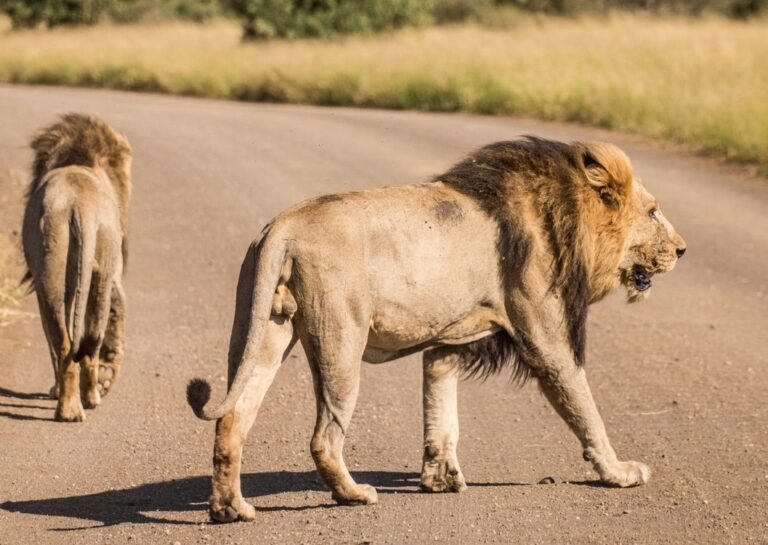
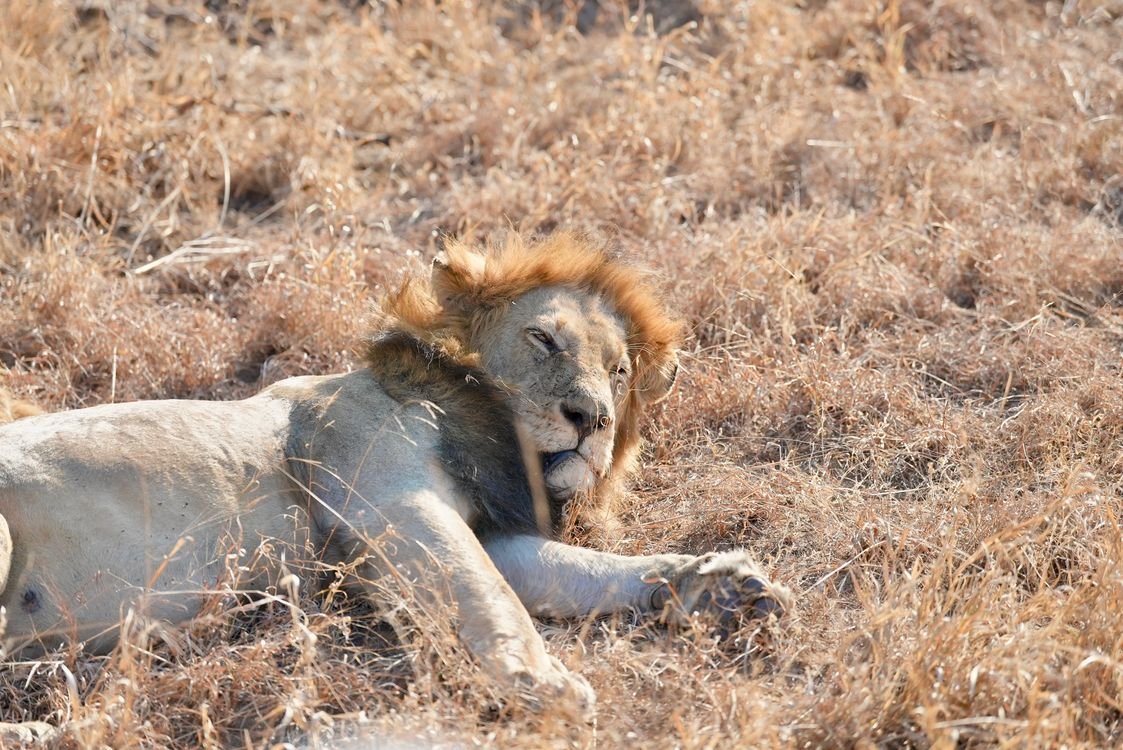
In the classic safari regions — Kruger and the Greater Kruger private reserves, Madikwe, Pilanesberg and Zululand — the year splits into two very different seasons. From roughly May to September the grass dies back, trees drop their leaves and the pans dry out. South African Tourism calls June to August the best time for Big Five safaris, because there is less foliage for animals to hide behind and they concentrate around whatever water is left. From about October to April, SANParks describes Kruger as hot and often balmy, with rain that falls mostly as afternoon thunderstorms that build all day and arrive as a downpour.
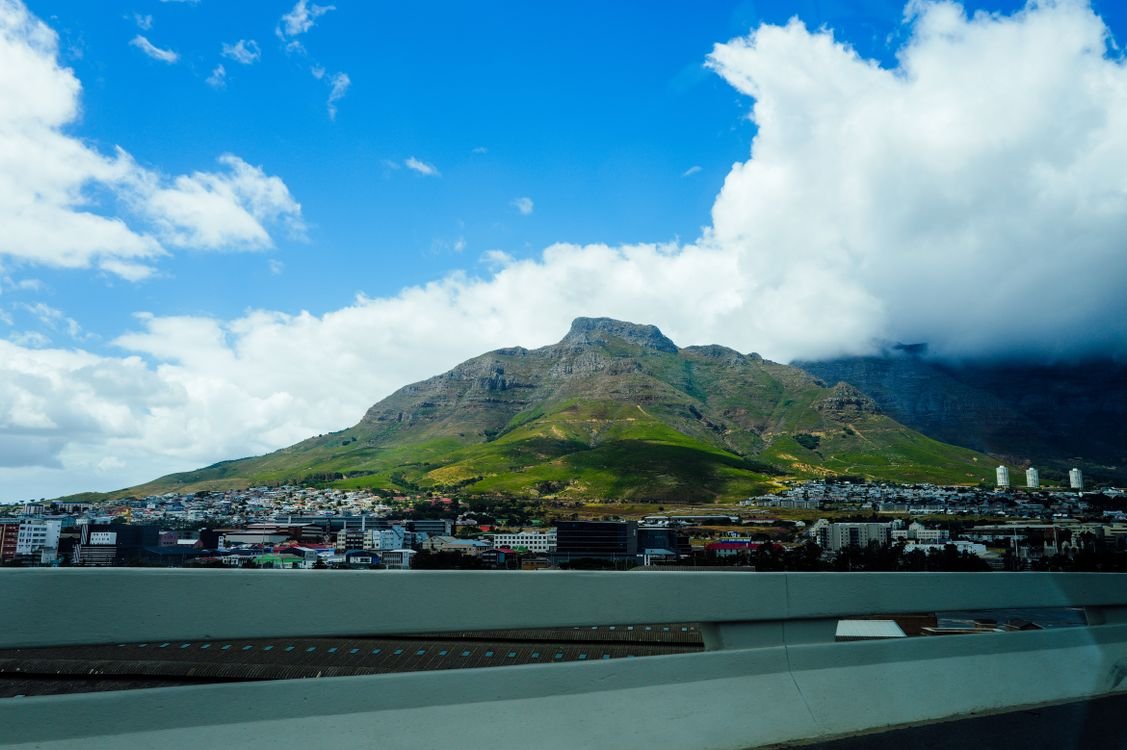
Cape Town does the reverse. November to March is the Cape’s dry, warm summer, when Table Mountain is clear, the beaches and Winelands are at their finest, and the Garden Route is made for a self-drive. June to August in the Cape is cool, wet and quiet — but it brings the year’s other highlight, the southern right whales.
That is the central tension of a South Africa trip: the bush peaks when the Cape is at its worst, and the Cape peaks when the bush is at its hottest and wettest. Every itinerary is a compromise between the two, and the honest guides say so. Here is how to make the compromise work for your trip.
Kruger and the bush: the dry winter, in real numbers
Most timing guides describe the weather. Few publish the actual figures. Here are the official normals for Skukuza, the central Kruger station — temperatures from the South African Weather Bureau’s 1961 to 1990 record, rainfall from the park’s own rainfall work, as published by SANParks:
| Month | Average high | Average low | Rainfall | Rain days |
|---|---|---|---|---|
| January | 32.6 °C | 20.6 °C | 96 mm | 7 |
| February | 32.0 °C | 20.4 °C | 92 mm | 7 |
| April | 29.4 °C | 15.4 °C | 35 mm | 3 |
| May | 27.9 °C | 10.0 °C | 14 mm | 2 |
| June | 25.9 °C | 5.6 °C | 8 mm | 1 |
| July | 25.9 °C | 5.7 °C | 9 mm | 1 |
| August | 27.3 °C | 8.7 °C | 7 mm | 1 |
| September | 29.3 °C | 12.8 °C | 24 mm | 2 |
| October | 29.8 °C | 16.0 °C | 35 mm | 4 |
| December | 31.9 °C | 19.7 °C | 86 mm | 7 |
Two things in that table matter more than any seasonal label. First, April and October get exactly the same rainfall, and they are not remotely the same month for game viewing. April arrives after five wet months, with full waterholes, thick grass and animals scattered across a landscape that holds water everywhere. October arrives after five dry ones, with the last water concentrated and the bush stripped back. What drives sightings is not this month’s rainfall — it is the accumulated dryness behind it.
Second, June and July mornings are genuinely cold, and the averages understate it. The mean minimum at Skukuza is 5.6 °C in June and 5.7 °C in July, and the Kruger management plan records a low of 2.6 °C in 2016. On an open vehicle moving at speed before sunrise, that is the coldest most visitors have ever been on holiday. Pack for real cold, not brochure cold — a warm layer, a beanie, gloves. The lodges put blankets on the vehicle seats for a reason.
May to August is the dependable answer. Thin bush, sunny days, freezing mornings, and wildlife viewing that improves every week without rain. Rainfall at Skukuza drops to between 7 and 14 mm a month across this window, on one or two rain days. May is the gentlest entry: good viewing without deep winter cold, and the start of peak-season pricing. June and July are the classic dry-season months — but watch the calendar. South African school holidays fill Kruger’s public rest camps and entrance gates, and the winter break ran from 27 June to 20 July in 2026. The private reserves barely feel it; the public park does.
September and October: the peak of the peak
September and early October are the best sighting weeks of the South African year. Every week without rain concentrates the game further, and by October the lowveld can feel stripped bare. September is the sweet spot: rainfall still only 24 mm, the game concentrated at the last water, and mornings cold enough to be beautiful but no longer brutal.
October is the most intense sighting month — and the hottest before the rains. It averages 29.8 °C and builds through the month, and the first storms usually break somewhere between mid-October and November, when Skukuza’s monthly rainfall jumps from 35 mm to 75 mm. Some guides downgrade October for the heat. The heat is real; so is what the dryness does to the game. If you tolerate real heat, October gives you the fastest sightings in South Africa. If heat ruins your day, come in September instead and lose almost nothing.
The green season, honestly: November to March
The green season trades sighting speed for newborn animals, birdlife, storm light and a modest saving — and in South Africa that trade is closer than most people expect.
From November to February, impala, wildebeest and buffalo drop their young into a landscape suddenly full of vulnerable new life, and the predator activity that follows can be intense. Birding is at its best from November to March, with the migrants present in breeding plumage and the waterways full. The rain, meanwhile, is kinder than people fear: January and February, the wettest months, average 96 mm and 92 mm across just seven rain days each. Rain mostly arrives as a late-afternoon thunderstorm at the end of a hot day; multi-day soakings happen, but seldom. Mornings are often clear.
Here is the part most guides get wrong on price. Travellers assume the green season is dramatically cheaper. In South Africa it is not. Verified rate comparisons at top-tier Sabi Sand lodges put the green-season saving at roughly 15% against peak. South Africa’s private reserves trade close to year-round because the viewing holds up; the deep green-season discounting you may have read about belongs to Botswana, not here. Budget for a modest saving, not half price.
And one window inside the green season breaks the pattern entirely: the festive fortnight, 20 December to 5 January, prices like the peak, with premiums and minimum stays at most lodges. By mid-January the same lodges feel settled and quiet again, and the season itself has not changed at all.
One health note that should shape family plans: SANParks classifies Kruger as a malaria-risk area, with the highest risk from November to April. The Department of Health describes local transmission as seasonal, with cases rising in October, peaking in January and February, and waning towards May. That does not make the green season unsafe — it makes prophylaxis a real part of the planning, and it is exactly why the malaria-free reserves below matter.
April to early May: the quiet shoulder most guides skip
April into early May is the value sweet spot, and it gets less attention than it deserves. Rains taper to 35 mm across three rain days, grass drops, heat breaks, and rates sit below the winter high while viewing improves weekly. The landscape is still green enough to photograph beautifully.
Just do not expect April to match October, whatever the rainfall table suggests. The bush is still recovering from a wet season, not five months into a dry one. But if your dates are flexible and your budget matters, this window buys you most of winter’s advantages at a gentler price — with the lodges quiet and the roads empty. Watch the calendar, though: Easter and the South African school holidays can fall in late March and April, which fills up the more accessible camps.
Cape Town, the coast and the whales
Cape Town, the Winelands and the coast are the cultural and scenic anchor of most South African trips, and they run on the opposite clock to the bush. November to March is the Cape’s dry, warm summer — Table Mountain clear, the beaches and the vineyards of Stellenbosch and Franschhoek at their finest, the Boulders penguins on the sand, and the Garden Route made for a self-drive.
The Cape’s winters, June to August, are cool and wet, but they bring the year’s other highlight: southern right whales arrive along the coast from June to November, peaking in July and August, with the Hermanus whale festival in late September. The International Whaling Commission’s South Africa handbook puts southern right and humpback whales along the south coast, from Cape Town to Mossel Bay, between June and December.
Three more seasonal draws decide fixed dates for many travellers. The Namaqualand wildflower season runs from July to September, with the main spectacle usually between mid-August and mid-September. The KwaZulu-Natal sardine run is a June and July event. Turtle nesting in iSimangaliso runs November to March. None of them appears in the standard “best time” answer, and any one of them can be the reason a trip is worth taking in a month the charts call second-best.
The malaria question, and the family answer
If you are travelling with young children, or simply do not want prophylaxis, the malaria question changes the whole calculation — and South Africa has a better answer than most safari countries.
Madikwe, the Waterberg reserves such as Marakele and Welgevonden, and the Eastern Cape reserves including Addo Elephant National Park are malaria-free year-round. SANParks lists only Kruger and Mapungubwe among its parks as malaria-risk areas. That makes Madikwe the reserve most family planners point to first: a similar winter rhythm to the Greater Kruger, with the November-to-April malaria window simply not mattering.
One honest caveat several guides skip: northern KwaZulu-Natal, including the Umkhanyakude corridor, sits inside South Africa’s seasonal malaria zone, roughly September to May. It is not a malaria-free alternative to the Kruger lowveld. Check current prophylaxis advice for your specific reserve and dates, and speak to a travel clinic about your itinerary — the real seasonal question is malaria prophylaxis for the Kruger lowveld and northern KwaZulu-Natal between roughly October and May.
What it costs, by season
Travellers budget in trip totals, so start there. A week at a top private reserve books from the mid four figures per person in winter, and the seasonal saving for going green is smaller than most people expect. The per-night lanes behind that, all-in at current rates (checked November 2026):
- Self-drive Kruger: $80 to $400 per day
- Mid-range lodge: $300 to $600 per person per night
- Luxury private reserve: $600 to $1,200 per person per night
- Ultra-luxury: $1,500 to $3,500 per person per night, with peak rack rates reaching about $3,700
Park fees are flat all year, whatever the season. SANParks’ Kruger daily conservation fee, for the tariff period running 1 November 2025 to 31 October 2026, is R602 for international visitors, R275 for SADC nationals and R134 for South African citizens and residents.
And remember the “high season” trap from the start of this guide: if you read that April to September is South Africa’s low season, that is a statement about crowds in the public Kruger National Park, where visitor numbers are driven by South African school holidays in summer. It is not a statement about price. At the private reserves in the Sabi Sand and the Greater Kruger, May to October is peak rate season, because that is when international demand arrives. The quiet months for the public park are the expensive months at the private lodges, and the crowded festive fortnight is expensive at both. When you compare timing advice, check which product it describes — self-drive Kruger and a Sabi Sand lodge run on opposite commercial calendars.
The skipped alternative: pair the Cape with the Eastern Cape, not the lowveld
Here is the combination almost every guide skips. The standard advice pairs a Kruger safari with Cape Town and then argues about which month hurts less. The Eastern Cape solves the argument instead of managing it.
The Eastern Cape pairs a Big Five safari with the forests, lagoons and beaches of the Garden Route self-drive, around Addo and Gqeberha — and it is the one corner of the country where you can aim for the Big Seven, the Big Five plus the great white shark and the southern right whale. Its reserves sit in a different rainfall regime to the lowveld: rain falls modestly across all twelve months rather than in a summer block, so a summer Cape itinerary does not force you into the lowveld’s hottest, highest-risk months to include a safari. The Garden Route is at its best in the Cape summer, November to March, and the southern right whales are offshore from June to November.
So if your dates are fixed to a Cape Town summer — school holidays, a honeymoon, a work break — skip the lowveld and take the Eastern Cape instead. You get a real Big Five safari, a malaria-free reserve, and a Garden Route drive, all in the season Cape Town is at its best. If your dates are fixed to the dry winter, the Kruger is still the right call. The point is that the region you choose changes the answer, and most guides never give you the second option.
The honest downside
Three things, said plainly. First, there is no perfect month for both the bush and the Cape. September and October are the classic compromise — peak bush in the north, spring warming in the Cape, whales still on the coast — but the Cape in September is not the Cape in January, and the bush in January is not the bush in September. A trip that tries to have both at their best will have neither. Pick the half that matters more and let the other half be good enough.
Second, winter mornings are genuinely cold, and October is genuinely hot. The dry season’s best months ask something of you at one end of the day or the other: 5.6 °C before sunrise in June, or 29.8 °C building through an October afternoon. Travellers who pack for the brochure — shorts and a light jacket — spend the best hours of the best months shivering or wilting.
Third, the festive fortnight punishes the unprepared. A green-season trip booked for late December looks cheap on a seasonal chart and arrives at peak prices with minimum stays. If your dates fall between 20 December and 5 January, budget for peak — or move a week either side and watch the price fall.
Who should go when
- First safari, or a family with children: May to August in a malaria-free reserve — Madikwe or the Eastern Cape — with September as the pick if you can take the lowveld. Good viewing, comfortable days, no prophylaxis argument.
- Maximum sightings, whatever the heat: September and October in the Greater Kruger or Sabi Sand. September if you want the sweet spot, October if you want the most intense sighting month and can take real heat.
- Best value with genuinely good viewing: April to early May. Most of winter’s advantage at a gentler price, with the lodges quiet.
- Birders and photographers who want drama: November to March. Migrants, breeding plumage, newborn animals, storm light — and the green-season saving of roughly 15% at the top end.
- Cape Town plus safari in one trip: September and October for the classic compromise, or a summer Cape trip paired with an Eastern Cape reserve instead of the lowveld.
- Whale watchers: June to November on the south coast, peaking July and August, with the Hermanus whale festival in late September.
- Budget travellers: self-drive Kruger in the dry winter, outside the school holidays, at $80 to $400 a day — the cheapest way into serious Big Five country anywhere in Africa.
Month by month at a glance
| Month | Bush (Kruger) | Cape Town & coast | Best for |
|---|---|---|---|
| January | Hot, humid, green; newborns, superb birding | Peak summer, clear mountain | Value, birders, Cape-led trips |
| February | Peak green season, wettest | Glorious Cape summer | Green-season photography, lowest lowveld rates |
| March | Rain easing, bush still thick | Cape glorious | Cape-led trips with a green-season bush add-on |
| April | Rain falls away, viewing improves weekly | Mild, shoulder | Value with genuinely good game viewing |
| May | Dry season sets in, 14 mm rain | Cooling, quieter | First-timers: reliability without deep cold |
| June | Driest stretch begins, 8 mm, cold mornings | Whales arrive; cool and wet | Classic dry-season viewing |
| July | Coldest month, superb viewing | Whale peak | Peak sightings; book private reserves around school holidays |
| August | Driest month, 7 mm; mornings softening | Whale peak; wildflowers begin | Reliable dry-season conditions, kinder weather |
| September | Best all-round month | Spring warming; whales still here | Almost everyone — the month to plan around |
| October | Most intense sightings, hottest before rains | Spring, warming fast | Maximum sighting intensity if you take the heat |
| November | First storms, bush greens, birds arrive | Warming into summer | Start of green-season value |
| December | Hot and wet, first newborns | Peak summer; festive premium from the 20th | Families tied to school holidays, if the premium is acceptable |
When is the best time to visit South Africa for a safari?
May to October, the dry winter, with September and early October the absolute peak for sightings. The bush thins, water grows scarce and the animals concentrate around it. The green season from November to March trades harder sightlines for newborn animals, birding and a saving of roughly 15% at top lodges — and the malaria-free reserves make it a genuine family option year-round.
What is the best month to visit South Africa?
September, if you want one answer that works for most travellers. The bush is at its driest without October’s heat, the Cape is warming into spring, and whales are still on the south coast. If you are travelling only for Cape Town and the coast, January and February are better.
When is whale season in South Africa?
Southern right and humpback whales are along the south coast, from Cape Town to Mossel Bay, between June and December, peaking in July and August. The Hermanus whale festival runs in late September. The KwaZulu-Natal sardine run is a June and July event, and turtle nesting in iSimangaliso runs November to March.
Is South Africa malaria-free?
Not everywhere. Kruger and Mapungubwe are malaria-risk areas, with the highest risk from November to April. Madikwe, the Waterberg reserves such as Marakele and Welgevonden, and the Eastern Cape reserves including Addo are malaria-free year-round. Northern KwaZulu-Natal is a seasonal risk zone, roughly September to May — check current prophylaxis advice for your specific reserve and dates.
What is the cheapest time of year for a South Africa safari?
The green season, November to March, excluding the festive fortnight of 20 December to 5 January, which prices like the peak. Expect a saving of roughly 15% at top-tier lodges rather than deep discounts — South Africa’s rate seasonality is the mildest of the major safari countries. April and early May are the value sweet spot if you want drier conditions.
How many days do you need in South Africa?
A week comfortably covers four to five nights in the bush plus travel, and pairs naturally with Cape Town if you accept the seasonal compromise. First-time visitors get more from five nights in one excellent reserve than from splitting a week across three.
There is no bad month for South Africa — only a month that fits your trip and a month that fights it. September fits the most trips. May fits the most first-timers. April fits the most budgets. And if your dates are fixed to a Cape Town summer, the Eastern Cape fits better than the lowveld ever will. Pick what you are optimising for first, then pick the month — not the other way round. Before you book, read our Kruger National Park Safari guide, our African Safari Beginner’s Guide, our African Safari Cost guide, our Safari Lodges in Africa guide, and our How to Plan a Safari guide. If South Africa leaves you wanting more southern Africa, our Etosha National Park guide covers Namibia’s waterhole safari, and our Okavango Delta Safari guide covers Botswana’s green-season alternative.